You’ll notice the fries you grew up with don’t always taste the same, and this article shows why those changes happened and what they mean for your next order.
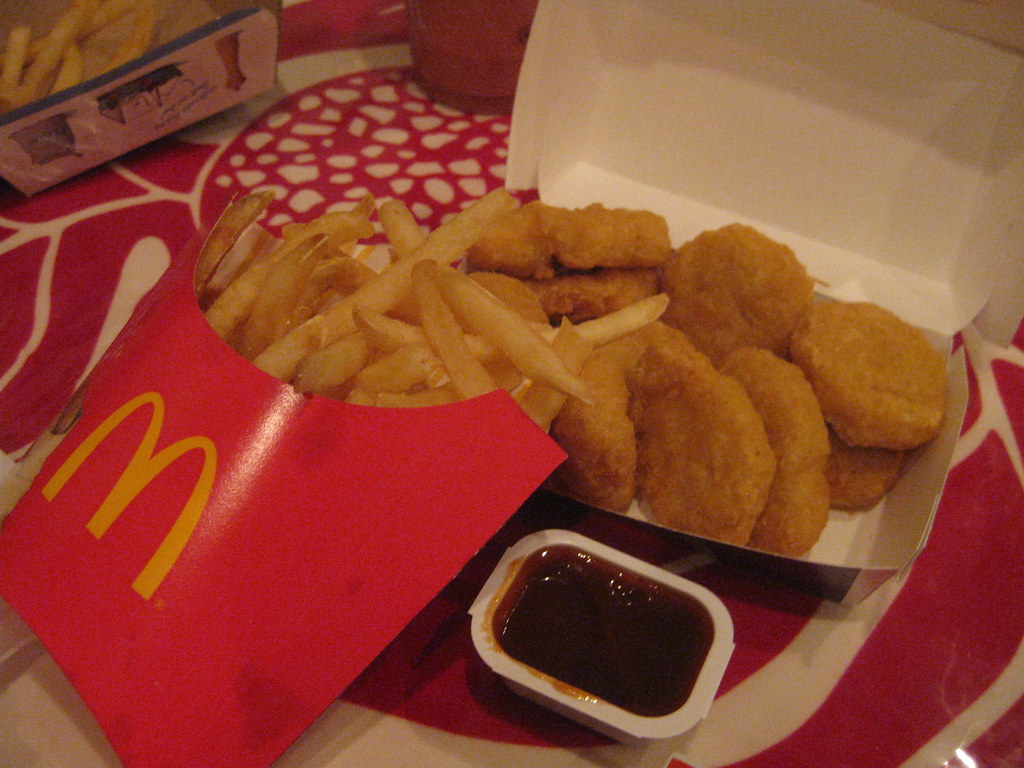
You’ll learn four clear ways McDonald’s fries changed since the 1950s—covering cooking fat, color additives, potato choices, and how the fries are prepared before frying.
Keep your curiosity fired up as the piece walks through each change and how it affects flavor, texture, and consistency when you grab a fry.
Switched from beef tallow to vegetable oil for frying
You remember the richer taste from earlier decades; that came from beef tallow, which McDonald’s used until 1990.
Health concerns and changing consumer expectations pushed the chain to adopt 100% vegetable oil for frying.
You might still detect that old flavor because McDonald’s adds a “natural beef flavor” to the oil.
The change reduced saturated fat from the frying medium, though many fans say the texture and aroma shifted too.
Added dextrose to enhance golden color
You’ll notice McDonald’s began using a small amount of dextrose on fries to keep that consistent golden look when potatoes’ natural sugars vary.
It’s not added for sweetness; it mainly helps even browning during cooking.
This step happens after cutting and blanching, and the treatment is occasional—used when needed seasonally.
McDonald’s explains the practice as a way to maintain color and cooking consistency rather than to change flavor (https://www.mcdonalds.com/gb/en-gb/help/faq/why-do-you-add-dextrose-to-your-fries.html).
Changed potato varieties for consistency
You’ll notice modern fries use specific russet varieties because they hold shape and have less moisture. That choice cuts down on limp fries and keeps cook times steady.
Switching varieties also helped large-scale sourcing and processing. McDonald’s works with growers to match potato traits to fryer specs, so your fries come out similar at different restaurants.
Moved from fresh-cut to partially frozen fries
You used to get fries cut from whole potatoes in each restaurant, but McDonald’s shifted to partially frozen potatoes in the mid-1960s to keep flavor consistent across locations.
The change reduced prep time and labor, and let suppliers deliver uniform batches that fry the same way every time.
This switch started after McDonald’s partnered with suppliers who could pre-process and flash-freeze potatoes, making kitchens simpler.
You still get the classic taste, but the backstage process became more industrial and standardized.
More from Cultivated Comfort:
- 7 Vintage Home Items From the ’60s That Are Collectors’ Dream Finds
- 7 Vintage Home Goods That Became Collectors’ Gold
- 7 Fast-Food Chains That Changed for the Worse
- 7 Frozen Dinners That Were Better Back in the Day

As a mom of three busy boys, I know how chaotic life can get — but I’ve learned that it’s possible to create a beautiful, cozy home even with kids running around. That’s why I started Cultivated Comfort — to share practical tips, simple systems, and a little encouragement for parents like me who want to make their home feel warm, inviting, and effortlessly stylish. Whether it’s managing toy chaos, streamlining everyday routines, or finding little moments of calm, I’m here to help you simplify your space and create a sense of comfort.
But home is just part of the story. I’m also passionate about seeing the world and creating beautiful meals to share with the people I love. Through Cultivated Comfort, I share my journey of balancing motherhood with building a home that feels rich and peaceful — and finding joy in exploring new places and flavors along the way.