You’ve likely seen headlines about a new $45 TSA fee taking effect, and time is almost up to avoid it. If someone shows up at security without an acceptable ID, they can pay $45 for TSA ConfirmID to fly — and they risk paying that fee again if they need the service for travel outside a 10-day window.
This post explains what the fee covers, which documents qualify as acceptable ID, and practical steps to avoid extra delays and duplicate charges. Expect clear actions to take before heading to the airport so trips stay on schedule and costs stay down.
What Is the New $45 TSA Fee and TSA ConfirmID?
The new fee charges travelers who arrive at airport security without an acceptable form of ID a one-time $45 payment to undergo a modernized identity check. It applies only to domestic flights when the traveler cannot present a REAL ID–compliant license or another accepted document.
How the $45 Fee Works and Who Must Pay
Travelers who show up at TSA checkpoints with an unacceptable ID—such as a non‑REAL ID state driver’s license or a temporary license—will be offered the TSA ConfirmID option and asked to pay $45. The fee covers a 10‑day travel period for that person and is intended to fund the identity‑verification workflow rather than be billed to taxpayers.
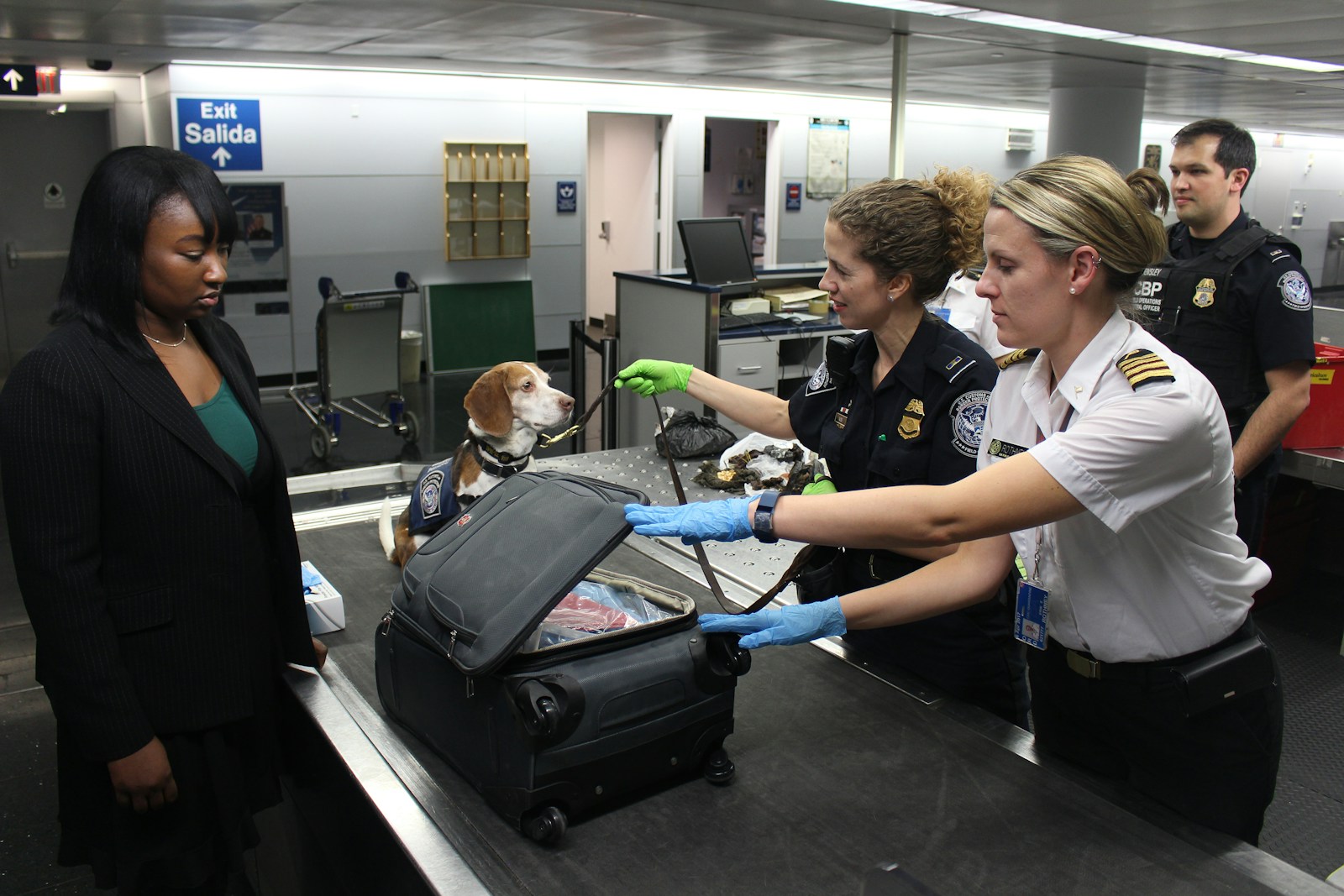
Airports will offer ways to pay online before arrival and will direct arriving passengers to marked locations near checkpoints if they need to pay on site. Passengers who already have an acceptable ID (REAL ID, passport, Global Entry card, etc.) do not pay. Travelers should expect additional processing time when using ConfirmID; the backlog risk is highest during peak travel hours.
Purpose and Background of the Fee
TSA frames the ConfirmID fee as a cost‑recovery measure for extra identity verification steps when a passenger lacks an acceptable form of ID. The agency says most flyers already use compliant IDs, but this fee aims to shift verification costs to the traveler who needs additional screening.
The fee aligns with recent REAL ID enforcement milestones and related rulemaking. TSA published information about the ConfirmID fee and related reports in late 2025 as part of its rollout. Officials also stress that the fee is optional only in the sense that travelers can choose not to fly; it applies when a passenger still wants to proceed without an acceptable ID.
TSA ConfirmID: Identity Verification Process
TSA ConfirmID is a technology‑assisted process that verifies identity with document and biometric checks rather than relying solely on a presented license. The process varies by airport; it typically includes scanning the traveler’s ID, capturing a live face image, and matching the image to records and document data.
ConfirmID workflows may involve private vendors or TSA systems and can require several minutes per passenger. Travelers should expect to show any secondary documents they have and to follow staff instructions for photo capture. Because procedures differ by location, travelers who want specifics can find checkpoint guidance and lists of acceptable IDs on TSA’s website; those who arrive without prior payment will see on‑site directions for paying the ConfirmID fee.
Acceptable Forms of Identification and How to Avoid Extra Charges
Travelers should carry one clearly valid, government-issued ID that the TSA accepts to avoid the $45 Confirm.ID fee. They should check their ID type, expiration, and REAL ID status before heading to the airport.
Accepted REAL ID and Other Compliant Documents
TSA accepts a REAL ID-compliant driver’s license or identification card issued by a state or territory. Other acceptable documents include a U.S. passport, U.S. passport card, DHS Trusted Traveler cards such as Global Entry, NEXUS, or SENTRI, and a U.S. permanent resident card (Form I-551). Military IDs, Department of Defense IDs, and Transportation Worker Identification Credentials (TWIC) also qualify. Merchant Mariner Credentials and certain veteran credentials like the VHIC are listed as acceptable. Canadian provincial driver’s licenses, Enhanced Driver’s Licenses (EDL), and Enhanced Tribal Cards can be used when they meet federal standards. TSA posts the full list at tsa.gov/id, and travelers should present one of these to avoid additional verification steps.
How to Tell if Your ID Is REAL ID Compliant
A REAL ID-compliant card carries a star in the top-right corner or another state-specific mark indicating federal compliance. If a license lacks the star, it likely is not REAL ID-compliant and may trigger Confirm.ID procedures. States began issuing compliant IDs after the REAL ID Act; expiration dates and card design can vary. Travelers can check their state DMV website or the identification page at tsa.gov/id to confirm compliance. If unsure, a U.S. passport or passport card avoids ambiguity and prevents extra screening or a fee at the checkpoint.
Alternatives: Trusted Traveler and Special Program Cards
Trusted Traveler program cards—Global Entry, NEXUS, SENTRI—serve as acceptable IDs and speed airport processing. TSA also accepts HSPD-12 PIV cards, Department of Defense IDs, and certain immigration documents like Form I-766 (Employment Authorization) and the permanent resident card. TWIC and Merchant Mariner Credentials work for maritime and some airport checks. Veterans with VHIC who meet TSA criteria can use that card. These alternatives eliminate the need to buy Confirm.ID verification and often provide faster lines when used with matching TSA records. Carry the physical card and a backup passport if travel involves international legs.
REAL ID Law: Requirements and Recent Changes
The REAL ID Act set minimum federal standards for state-issued IDs after 9/11, requiring documentation like proof of identity, Social Security number, and residential address for issuance. States verify documents and add security features; compliant cards bear the STAR mark. Recent enforcement changes require travelers without acceptable ID to complete TSA Confirm.ID and pay a $45 fee for biometric and Secure Flight-based verification at checkpoints. TSA recommends prepaying through the ConfirmID portal to avoid delays; airports will provide on-site payment where available. Travelers should update expiring licenses to compliant versions or carry a passport to avoid the fee.
More from Cultivated Comfort:
- 7 Vintage Home Items From the ’60s That Are Collectors’ Dream Finds
- 7 Vintage Home Goods That Became Collectors’ Gold
- 7 Fast-Food Chains That Changed for the Worse
- 7 Frozen Dinners That Were Better Back in the Day

As a mom of three busy boys, I know how chaotic life can get — but I’ve learned that it’s possible to create a beautiful, cozy home even with kids running around. That’s why I started Cultivated Comfort — to share practical tips, simple systems, and a little encouragement for parents like me who want to make their home feel warm, inviting, and effortlessly stylish. Whether it’s managing toy chaos, streamlining everyday routines, or finding little moments of calm, I’m here to help you simplify your space and create a sense of comfort.
But home is just part of the story. I’m also passionate about seeing the world and creating beautiful meals to share with the people I love. Through Cultivated Comfort, I share my journey of balancing motherhood with building a home that feels rich and peaceful — and finding joy in exploring new places and flavors along the way.