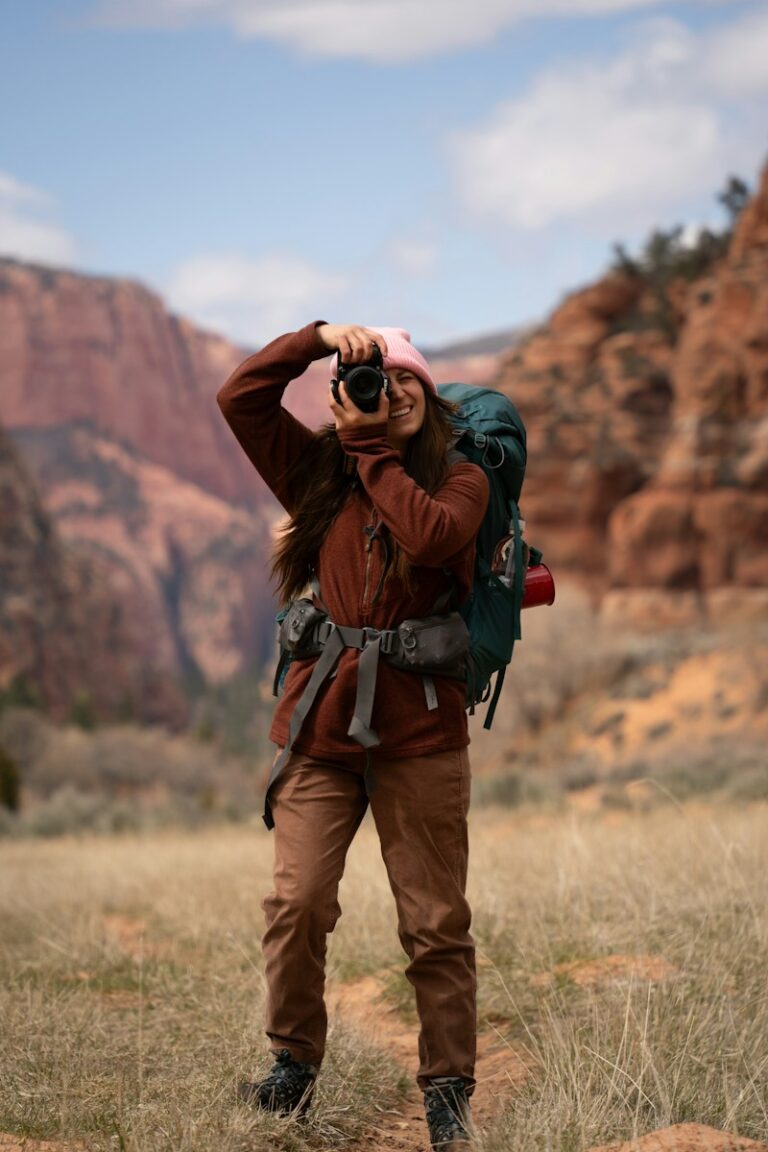
Recent studies reveal that many members of Generation Z are increasingly hesitant to engage in traditional adventure travel, leading to concerns about their ability to handle the physical and mental demands of such experiences. This trend affects the travel industry, which relies on adventurous travelers to drive economic growth in various regions. Understanding the reasons behind this reluctance is crucial for travel companies and destination marketers seeking to cater to this emerging demographic.
Shifting Preferences in Travel Styles
Adventure travel typically includes activities such as hiking, rock climbing, and backpacking in remote locations, but surveys indicate that Gen Z travelers prefer more curated experiences. A study by the Adventure Travel Trade Association found that 64% of Gen Z respondents favor comfort and convenience over rugged exploration. This shift reflects a broader trend toward experiential travel, where the emphasis is placed on social media-friendly moments rather than immersive adventures.
With the rise of influencers showcasing luxurious travel experiences, many young travelers are more inclined to seek out Instagram-worthy destinations rather than challenging themselves in the great outdoors. The allure of picturesque settings often overshadows the thrill of adventure, leading to a generation more focused on aesthetics than authentic experiences.
The Impact of Technology on Adventure Readiness
Technology plays a significant role in shaping Gen Z’s travel behavior. With smartphones in hand, this generation is accustomed to instant gratification and accessible information. While this has made travel planning easier, it has also led to a preference for experiences that can be easily arranged and executed. Adventure travel often requires significant preparation, physical fitness, and a willingness to embrace uncertainty—qualities that are less emphasized in a tech-driven world.
Moreover, many Gen Z individuals report feeling overwhelmed by the abundance of choices available online. This constant exposure to curated content can foster anxiety, making the idea of stepping out of one’s comfort zone feel daunting. As a result, potential adventurers may opt for less challenging experiences that allow them to maintain a sense of control.
Concerns Over Safety and Environmental Awareness
Gen Z is also characterized by heightened awareness of safety and environmental issues. The COVID-19 pandemic has intensified these concerns, leading many young travelers to prioritize safe, sustainable options over adventurous pursuits. Adventure travel often involves remote locations that may lack the infrastructure to ensure safety and comfort, which can deter young travelers who prioritize well-being.
Additionally, as more Gen Z individuals become aware of the environmental impact of their travel choices, they may shy away from traditional adventure travel that can be perceived as damaging to nature. This generation is more likely to choose eco-friendly options, such as volunteering or participating in sustainable tourism, rather than engaging in high-impact activities like skiing or off-road biking.
Physical Fitness and Outdoor Skills
Another factor contributing to Gen Z’s hesitance toward adventure travel is a decline in physical fitness and outdoor skills. Many young people today are less active than previous generations, often opting for sedentary activities like gaming or social media. A survey conducted by the American Heart Association highlights that only 24% of Gen Z adults meet the recommended guidelines for physical activity.
Without a solid foundation in outdoor skills, many Gen Z individuals may feel unprepared to tackle the challenges presented by adventure travel. Concerns about physical capability can exacerbate anxiety about participating in demanding activities, further discouraging them from seeking these experiences.
The Role of Community and Peer Influence
Peer influence is another critical factor affecting Gen Z’s travel choices. This generation values shared experiences and often relies on social validation from their peers when it comes to deciding on travel plans. If a majority of their friends favor leisure travel over adventure, individuals may feel pressured to conform to that trend rather than pursuing their adventurous inclinations.
Social media platforms amplify this phenomenon, as users often showcase their travel experiences based on their friends’ preferences. With adventure travel requiring a certain level of risk and unpredictability, it may seem less appealing compared to the safer, more familiar routes favored by their social circles.
Conclusion: A Call for Adventure Travel Adaptation
The reluctance of Gen Z to engage in traditional adventure travel poses challenges and opportunities for the travel industry. To connect with this demographic, companies must adapt their offerings to align with Gen Z preferences, focusing on comfort, safety, and sustainability while still providing a sense of adventure. By understanding these shifting dynamics, the travel industry can better cater to the needs and desires of a generation that is poised to reshape the future of travel.
Ultimately, fostering a balance between adventure and safety, alongside promoting outdoor skills and physical fitness, will be essential for encouraging Gen Z to embrace the true spirit of adventure

As a mom of three busy boys, I know how chaotic life can get — but I’ve learned that it’s possible to create a beautiful, cozy home even with kids running around. That’s why I started Cultivated Comfort — to share practical tips, simple systems, and a little encouragement for parents like me who want to make their home feel warm, inviting, and effortlessly stylish. Whether it’s managing toy chaos, streamlining everyday routines, or finding little moments of calm, I’m here to help you simplify your space and create a sense of comfort.
But home is just part of the story. I’m also passionate about seeing the world and creating beautiful meals to share with the people I love. Through Cultivated Comfort, I share my journey of balancing motherhood with building a home that feels rich and peaceful — and finding joy in exploring new places and flavors along the way.