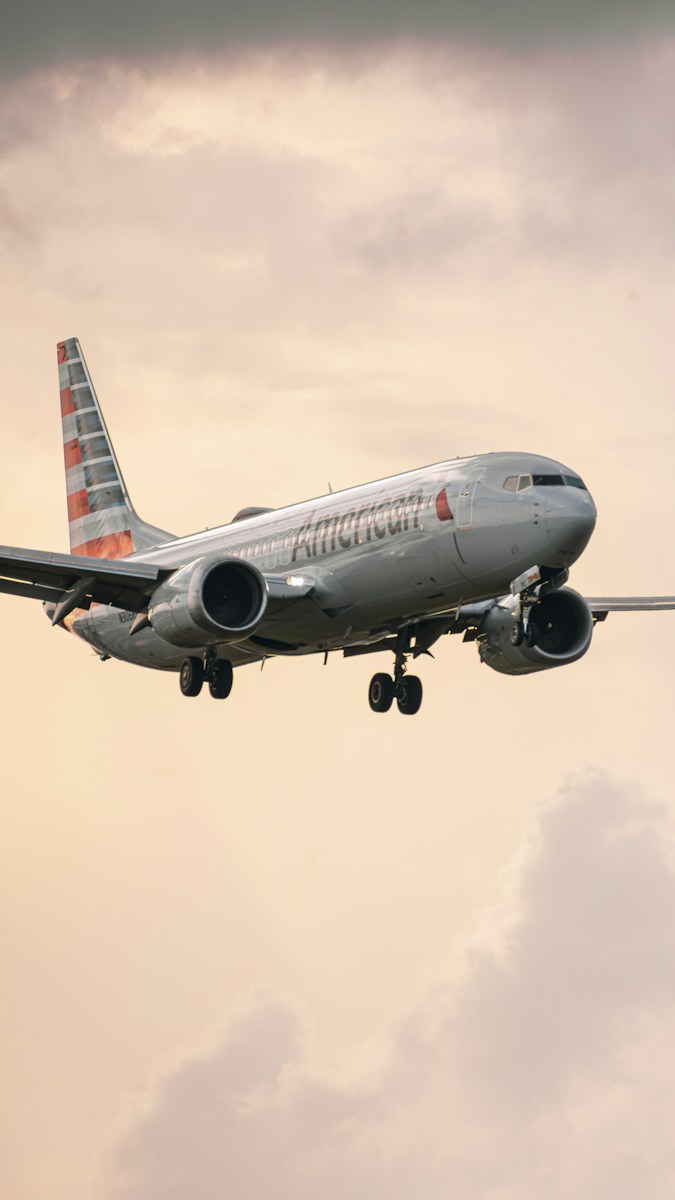
Construction at a major U.S. airport will slow travel for months, and you should expect longer lines, more flight changes, and tougher connections as crews rework runways and terminals. Plan extra time for check‑in and transfers, and consider flexible tickets or alternate airports to avoid getting stranded.
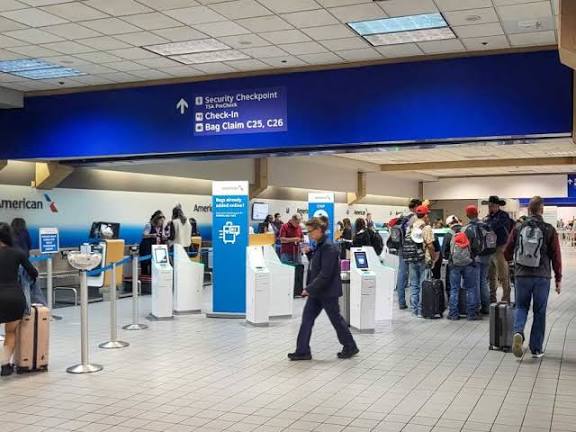
They can adjust flight schedules, reduce daily capacity, and reroute crews to match constrained gates and taxiways, which creates ripple effects across carriers and your itinerary. The article explains why the work causes extended delays and how airlines and passengers adapt so you can make smarter travel choices.
Why Travelers Face Prolonged Delays at Major U.S. Airports
Construction work, staffing shortfalls, and policy-driven constraints combine to slow everything from ground handling to runway throughput. Travelers should expect longer security lines, slower taxi and gate turns, and intermittent flight cancellations at busy hubs.
Details of Ongoing Airport Construction
Major airports are rebuilding terminals, expanding gates, and replacing aging runways and taxiways, often in phases that reduce available aircraft parking and movement space. Closing one runway for resurfacing can cut a hub’s landing and departure capacity by 20–40%, forcing aircraft to queue longer for takeoff and to hold before landing.
Construction also narrows taxi lanes and moves gates away from passenger processing centers, creating longer bus transfers and added ground time for baggage handling. Nighttime work limits when crews can repair systems, leaving peak-hour capacity constrained. Passengers may notice temporary security checkpoints or shuttle routes while permanent facilities are offline.
Government Shutdown Compounding Delays
The ongoing government shutdown has stretched timelines and raised uncertainty for projects that need federal coordination or inspection. Agencies that grant environmental clearances, sign off on safety tests, or staff permit offices have reduced capacity, slowing work approvals that would otherwise keep construction on schedule.
The shutdown also strains passenger processing by reducing support staff and by affecting agencies that coordinate airport operations. Transportation Secretary Sean Duffy and other officials have warned that longer shutdowns increase the chance of operational disruptions. Travelers at major hubs should expect schedule ripple effects when federal review or support pauses.
Impact on Air Traffic Controllers and Staffing
Air traffic controllers are critical to maintaining runway throughput and spacing. Extended periods without pay or with uncertain work status have led some controllers to call out, reducing staffing levels at key towers and regional centers. Lower staffing forces the FAA to impose flow restrictions, which slow departures and arrivals at constrained airports such as Ronald Reagan Washington National Airport during peak windows.
Reduced TSA and ramp staffing compounds the problem: fewer screeners mean longer security waits; fewer ramp workers mean slower baggage loading and aircraft turnarounds. Airlines may route supervisory staff to cover gaps, but that reduces customer-service capacity in terminals. These staffing shortfalls create cascading delays across the network.
Flight Reductions and Cancellations Timeline
Airlines begin staged adjustments when runway capacity and staffing fall below safe thresholds. First come reduced frequency on marginal routes and elimination of late-evening flights to shorten gate occupancy. If conditions worsen, carriers suspend specific flights and shift aircraft to more reliable hubs.
Historically, disruptions escalate over weeks: initial delays appear within days, followed by targeted cancellations in 1–3 weeks, and broader schedule cuts after a month if problems persist. Travelers should monitor airline apps for real-time rebookings and check airport advisories that list expected security wait times and gate changes.
How Airline Operations and Travelers Are Affected
Construction will shrink runway access and taxiway capacity, forcing airlines to rebook flights, shift aircraft to other hubs, and ask passengers to expect longer waits at security and customs. Travelers should prepare for earlier arrival times, more frequent schedule changes, and limited same-day rebooking options.
Changes to Airline Schedules and Policies
Airlines will reduce daily departures at the affected airport to match the lower throughput. Delta Air Lines and American Airlines often cut slots on congested days first, then consolidate service to larger nearby hubs. Southwest Airlines may trim frequency on leisure routes and prioritize aircraft rotation that minimizes overnight disruptions.
Passengers can expect more irregular operations: later aircraft substitutions, swapped equipment, and added connection buffers. Many carriers will post flexible rebooking or refund policies for canceled flights, but travelers should confirm specific terms in airline apps and emails. Frequent flyers should monitor elite re-accommodation rules because reassignment may affect upgrades and lounge access.
Longer Security Lines and Customs Processing
Reduced gate and concourse space funnels more passengers through fewer security lanes. The Department of Homeland Security and Customs and Border Protection may temporarily redeploy officers, but staffing gaps will still create extended TSA waits during peak times. International arrivals face slower CBP processing when fewer primary inspection booths operate.
Travelers arriving from abroad should expect longer passport control lines and possible delays clearing customs that lengthen connection times. Airlines will sometimes hold flights for late international connections, but that practice is less common during sustained disruptions. Carry digital copies of travel documents and use mobile passport options when available to speed processing.
Strategies for Minimizing Your Travel Disruptions
Book earlier flights and avoid tight connections; morning flights face fewer knock-on delays. Choose nonstop flights where possible, monitor airline apps for real-time rebookings, and sign up for text alerts from carriers like American Airlines, Delta Air Lines, or Southwest Airlines.
Arrive at the airport 90–120 minutes before domestic departures and 2.5–3 hours for international flights to allow extra time for security and CBP. Pack essentials in carry-on luggage and consider refundable fares or travel insurance that covers schedule changes. If delayed, pursue airline refund policies and document expenses; many carriers offer meal or hotel vouchers depending on delay length and fare class.
More from Cultivated Comfort:
- 7 Vintage Home Items From the ’60s That Are Collectors’ Dream Finds
- 7 Vintage Home Goods That Became Collectors’ Gold
- 7 Fast-Food Chains That Changed for the Worse
- 7 Frozen Dinners That Were Better Back in the Day

As a mom of three busy boys, I know how chaotic life can get — but I’ve learned that it’s possible to create a beautiful, cozy home even with kids running around. That’s why I started Cultivated Comfort — to share practical tips, simple systems, and a little encouragement for parents like me who want to make their home feel warm, inviting, and effortlessly stylish. Whether it’s managing toy chaos, streamlining everyday routines, or finding little moments of calm, I’m here to help you simplify your space and create a sense of comfort.
But home is just part of the story. I’m also passionate about seeing the world and creating beautiful meals to share with the people I love. Through Cultivated Comfort, I share my journey of balancing motherhood with building a home that feels rich and peaceful — and finding joy in exploring new places and flavors along the way.