You’ll notice clearer, faster security and a smoother walk from curb to gate as Seattle–Tacoma International Airport rolls out a $546 million renovation centered on upgraded, high-tech checkpoints. The project redesigns the north end of the main terminal to reduce wait times, modernize screening technology, and improve passenger flow—so travel days become less chaotic and more predictable.
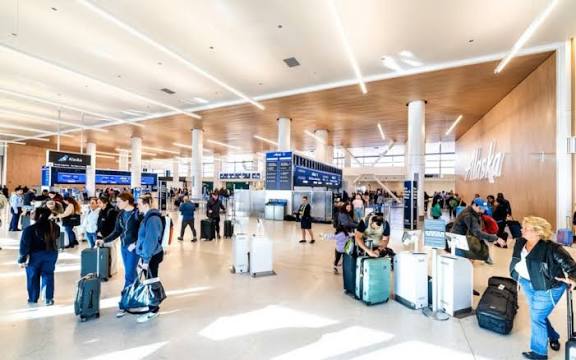
They’ll explore how the new layout, partnered with Alaska Airlines, changes the experience inside the terminal and what travelers can expect at security, concessions, and circulation. The article will also place this renovation alongside other major U.S. airport projects to show how Seattle’s approach compares and what trends it follows.
Inside the $546 Million Seattle-Tacoma International Airport Revamp
The project concentrates on passenger throughput, luggage processing, and visual updates to the north end of the main terminal. Travelers will notice wider circulation, new check-in and bag-drop options, and refreshed finishes that emphasize natural light and Pacific Northwest materials.
High-Tech Security Checkpoints and Passenger Flow
Checkpoint 6 at Seattle-Tacoma International Airport received a major redesign to reduce wait times and improve movement through screening. The upgrade uses all six screening lanes with room to add a seventh in the future, plus a dedicated recompose area after screening. TSA queuing is reconfigured with clearer sightlines and expanded floor space to handle peak-period surges more smoothly.
New layout elements include optimized queuing funnels, overhead signage, and improved lighting to make lane selection and body-scanner throughput faster. The project also relocates support rooms and adjusts ventilation and fire systems to meet modern codes, which helps minimize operational interruptions during busy travel days.
Automated Bag Drops and Modernized Baggage Claim
The revamp adds automated bag-drop kiosks and reconfigures check-in areas to speed Alaska Airlines’ ticketing process. Self-service bag drops reduce counter congestion by letting passengers tag and deposit luggage at multiple points on the Bridge Level and Ticketing Level. These changes shorten lines for staffed counters and improve first-mile processing time for checked bags.
On the Baggage Claim Level, connections to an optimized baggage handling system were implemented. New conveyors, routing logic, and updated finishes aim to lower mishandling rates and speed bag delivery. Passengers should see clearer sightlines to carousels and better wayfinding from arrivals to ground transportation.
Terminal Modernization and Accessibility Upgrades
The SEA Gateway Project modernizes a 40-year-old portion of the terminal with new finishes, expanded office and ticket counter space, and daylighting strategies that bring natural light into ticketing and mezzanine areas. Design choices favor warm wood paneling and materials that reflect the Pacific Northwest aesthetic, improving the passenger environment from curb to gate.
Accessibility got attention through regraded walkways, improved elevator and escalator placements, and clearer paths for people using mobility devices. Restroom upgrades and refreshed seating areas increase comfort for travelers. The Port and Alaska Airlines coordinated phased construction to keep passenger access open while implementing mechanical, smoke-control, and fire-suppression upgrades that meet current standards.
For more on the project scope and timeline, see the Port of Seattle’s SEA Gateway Project page.
Seattle’s Renovation in the Landscape of Major U.S. Airport Projects
Seattle’s $546 million SEA Gateway Project upgrades pre-security spaces, ticketing, and security processing and sits alongside other large U.S. airport investments that target capacity, passenger flow, and modern screening technology. The work aligns with broader regional expansion plans and multi-year capital programs focused on gates, concourses, and passenger amenities.
Federal Funding and the Bipartisan Infrastructure Law
The SEA Gateway Project and wider Port of Seattle capital program qualify for multiple federal funding pathways, including FAA Airport Improvement Program grants that support security, safety, and airfield projects. The Bipartisan Infrastructure Law (BIL) increased available funding and emphasis on resilience and state-of-good-repair work, which helps airports like SEA prioritize modernization over new runway builds.
BIL dollars and FAA formula grants often flow to projects that reduce congestion and improve TSA checkpoint throughput. That funding profile makes SEA’s investment in high‑tech security lanes and expanded pre‑security circulation a good fit for federal priorities. Airports must still meet matching and project-readiness criteria to receive awards, so Port-level planning and phased construction improve grant competitiveness.
Comparisons: PDX Next, Harvey Milk Terminal 1, and John Glenn Columbus International
Portland’s PDX Next focuses on terminal reconfiguration, an elevated roadway, and capacity improvements to handle rising passengers; it emphasizes multimodal access and passenger circulation. San Francisco’s Harvey Milk Terminal 1 concentrated on resilience and a consolidated, larger terminal footprint with improved wayfinding and sustainability targets. John Glenn Columbus International prioritized a new terminal and concourse to shift older facilities into modern standards and add gates.
SEA’s project differs by concentrating heavily on pre‑security processing and partnership with an airline for check‑in and security flow, rather than complete terminal replacement. Unlike PDX Next’s roadway work or Columbus’s new terminal shell, SEA’s scope targets immediate throughput gains and passenger experience while leaving larger new-terminal proposals on the planning horizon.
New Gates Expansion and Future Improvement Plans
SEA continues parallel work on gate and concourse capacity, including multi-level expansions on Concourse C and planning for additional gates to meet projected demand through 2032. Turner Construction’s Concourse C work and Port planning documents signal phased gate additions that complement the Gateway Project’s pre‑security upgrades, ensuring passengers can move more quickly from curb to gate.
Future phases contemplate an expanded concourse footprint and potential new terminal concepts to reach planned capacity targets. Those gate projects typically require separate environmental review and larger capital packages, often blending Port funds, airline contributions, and federal grants under long-term budgets like the Port’s 2023–2027 capital plan. For details on the Gateway Project and Port planning, see the Port of Seattle’s Upgrade SEA overview.
More from Cultivated Comfort:
- 7 Vintage Home Items From the ’60s That Are Collectors’ Dream Finds
- 7 Vintage Home Goods That Became Collectors’ Gold
- 7 Fast-Food Chains That Changed for the Worse
- 7 Frozen Dinners That Were Better Back in the Day

As a mom of three busy boys, I know how chaotic life can get — but I’ve learned that it’s possible to create a beautiful, cozy home even with kids running around. That’s why I started Cultivated Comfort — to share practical tips, simple systems, and a little encouragement for parents like me who want to make their home feel warm, inviting, and effortlessly stylish. Whether it’s managing toy chaos, streamlining everyday routines, or finding little moments of calm, I’m here to help you simplify your space and create a sense of comfort.
But home is just part of the story. I’m also passionate about seeing the world and creating beautiful meals to share with the people I love. Through Cultivated Comfort, I share my journey of balancing motherhood with building a home that feels rich and peaceful — and finding joy in exploring new places and flavors along the way.