Living in a close-knit community can be rewarding, but it can also bring about unforeseen challenges, especially when it comes to boundaries and respect for personal space. If you’ve found yourself in a situation where your neighbor’s bright security lights are flooding your bedroom in the middle of the night, you’re not alone. This kind of disruption can lead to sleepless nights and mounting frustration, making it hard to feel at home in your own space.
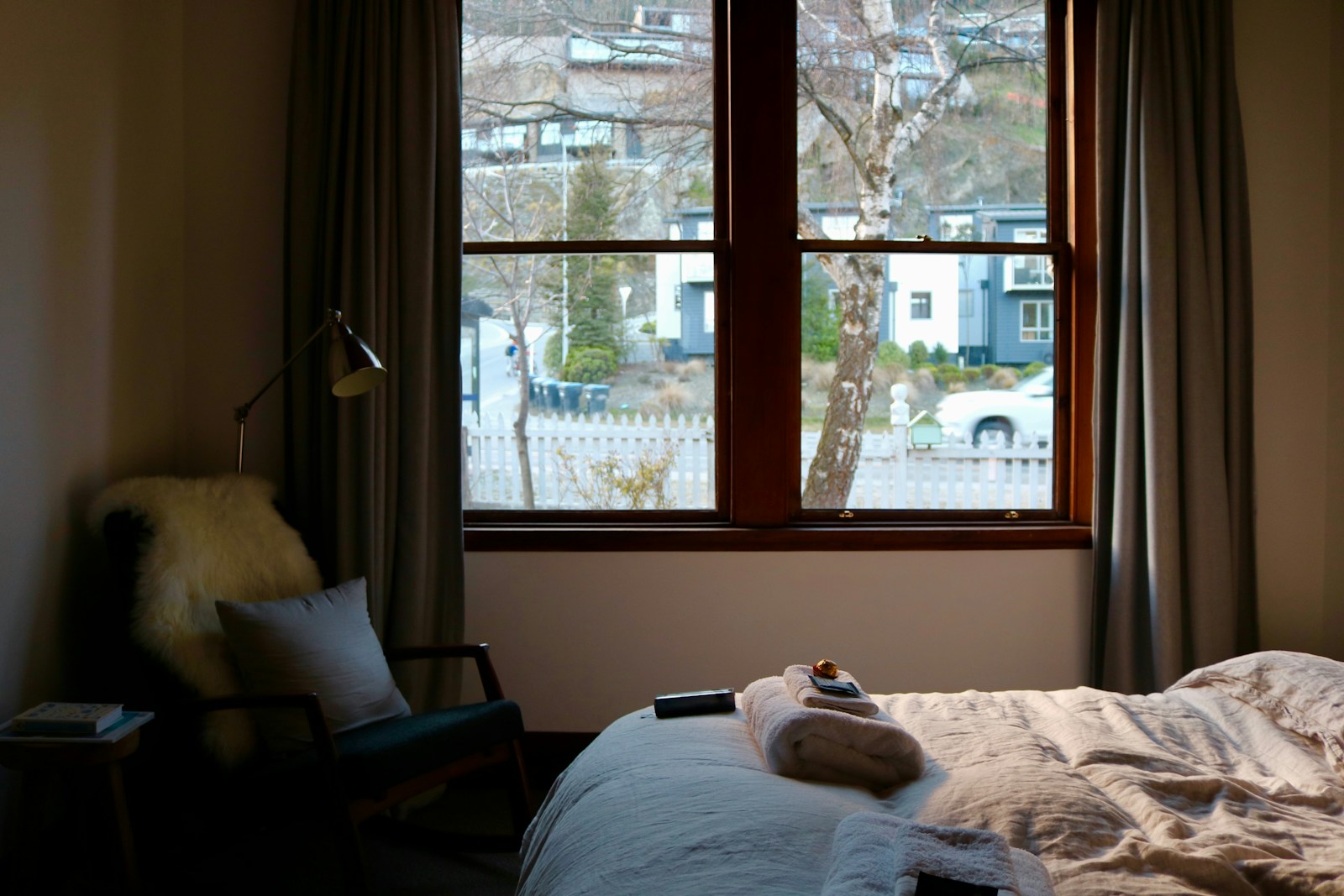
You’re not wrong to feel frustrated by this situation. Bright lights shining into your bedroom can affect your comfort, sleep quality, and overall well-being. It’s understandable to want to address this issue without escalating tensions. After all, maintaining a good relationship with your neighbor is just as important as preserving your own peace. This dilemma is a delicate balance of asserting your needs while respecting boundaries, and it’s crucial to approach it with care.
Start With a Calm, Direct Conversation
The first step to addressing the issue is to have a calm and direct conversation with your neighbor. Approach them when you’re both relaxed, perhaps during a casual encounter outside. Explain the situation without assigning blame. For example, you might say, “I’ve noticed that your security lights shine directly into my bedroom, and it’s been difficult for me to sleep.”
This approach works because it opens a line of communication without putting your neighbor on the defensive. You’re initiating a dialogue that can lead to a mutually beneficial solution. Remember, the goal is to find a resolution together, not to create conflict.
Set Clear Boundaries and Expectations
Once you’ve had a conversation, it’s important to set clear boundaries and expectations. Let your neighbor know how the lights are affecting your sleep and overall comfort. Be specific about the times when the brightness is most disruptive, and explain that you’re seeking a compromise that respects both of your needs.
By outlining clear boundaries, you’re advocating for your own well-being while also giving your neighbor the chance to understand the impact of their actions. This step not only empowers you to express your needs but also encourages your neighbor to consider how their choices affect others.
Involve Your Partner Without Blaming Them
If you share your home with someone else, involve them in the conversation about the lights. Approach the topic together, ensuring that both of you communicate as a united front. However, avoid placing blame on your partner for the situation. Instead, frame it as a shared concern that affects your entire household.
Involving your partner helps to strengthen your position and demonstrates that this is a collective issue rather than just a personal grievance. It reassures you that you’re not alone in dealing with this challenge and fosters a sense of teamwork in resolving it.
Offer Reasonable Alternatives
When discussing the lights with your neighbor, suggest reasonable alternatives that could mitigate the issue. For example, you might propose that they adjust the angle of the lights or switch to less intense bulbs. You could also suggest using motion sensors that only activate when needed, which could reduce unnecessary brightness during the night.
Offering alternatives shows your willingness to cooperate and find a solution that works for everyone. It empowers you to be proactive rather than reactive, framing the discussion around problem-solving rather than conflict.
Protect Your Home and Privacy Without Escalating Conflict
If discussions don’t lead to a resolution, it may be time to take further steps without escalating the situation. Consider investing in blackout curtains or shades for your bedroom. These can help block the unwanted light and provide you with the privacy you need to feel comfortable in your space.
Taking this action empowers you to reclaim your comfort without further confrontation. It’s a practical solution that allows you to protect your home and privacy while still leaving the door open for continued dialogue with your neighbor.
Document the Situation
If all else fails, it may be necessary to document the situation. Keep a record of instances when the lights are particularly disruptive, including dates and times. If things escalate, this documentation can be useful for discussions with your landlord, neighborhood association, or local authorities if needed.
Documenting the situation gives you a sense of control and clarity. You’re taking a proactive stance in ensuring that your concerns are heard and validated. This step can also empower you to approach the situation with confidence, knowing you have the facts on your side.
Closing
While navigating neighborly disputes can be challenging, remember that there is always a path toward resolution. By approaching the situation with kindness and assertiveness, you can foster a spirit of cooperation rather than conflict.
As a final piece of advice, try to maintain a hopeful perspective. Many conflicts can be resolved through open communication and a willingness to compromise. Keep in mind that your comfort matters, and it’s okay to advocate for it while still being respectful of your neighbor’s needs.
More from Cultivated Comfort:
- 7 Vintage Home Items From the ’60s That Are Collectors’ Dream Finds
- 7 Vintage Home Goods That Became Collectors’ Gold
- 7 Fast-Food Chains That Changed for the Worse
- 7 Frozen Dinners That Were Better Back in the Day

As a mom of three busy boys, I know how chaotic life can get — but I’ve learned that it’s possible to create a beautiful, cozy home even with kids running around. That’s why I started Cultivated Comfort — to share practical tips, simple systems, and a little encouragement for parents like me who want to make their home feel warm, inviting, and effortlessly stylish. Whether it’s managing toy chaos, streamlining everyday routines, or finding little moments of calm, I’m here to help you simplify your space and create a sense of comfort.
But home is just part of the story. I’m also passionate about seeing the world and creating beautiful meals to share with the people I love. Through Cultivated Comfort, I share my journey of balancing motherhood with building a home that feels rich and peaceful — and finding joy in exploring new places and flavors along the way.