You’ve watched the skyline change and noticed the graffiti-covered towers loom over Figueroa; now you learn they sold for about $500 million and a new owner plans to transform the stalled complex into housing, hotel space and retail. This deal signals a concrete step toward replacing an eyesore with an active development that could reshape downtown Los Angeles.
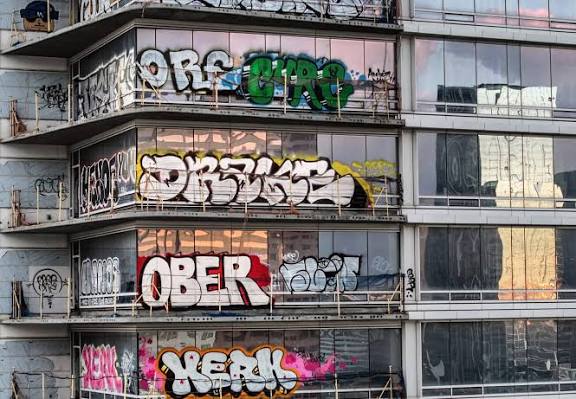
They’ll walk through how the property reached bankruptcy, the parties involved in the $470–$500 million purchase, and what the new plans mean for cleaning up the site and finishing construction. Expect details on timelines, priorities like graffiti removal and the proposed mix of uses that aim to reconnect the block with the surrounding sports and entertainment district.
This piece will unpack the sale’s practical implications for nearby businesses, city officials, and anyone who cares about downtown’s comeback, laying out what to watch next as the project moves from stalled to under construction.
The $500 Million Sale: Oceanwide Plaza’s Turbulent Journey
Oceanwide Plaza’s unfinished towers changed from a prized, billion-dollar plan to a visible downtown problem, then to a headline-making bankruptcy asset that drew a $500 million stalking-horse bid. The site’s fate hinged on construction halting in 2019, repeated legal fights, and public attention driven by the graffiti that covered its upper floors.
From Billion-Dollar Dream to Abandoned Skyscrapers
Oceanwide Plaza began as a China Oceanwide Holdings–led, mixed-use development that would add luxury condominiums, a five-star hotel and shops across a full city block on Figueroa Street. The design included 504 condos and a Park Hyatt-style hotel, positioned to serve crowds from nearby Crypto.com Arena and L.A. Live.
Construction stopped in 2019 after cost overruns, contractor disputes and debt problems. The unfinished complex sat partially built — 40- and 49-story towers — leaving scaffolding, exposed floors and stalled systems that made completion costly and legally complex.
Banks and contractors, including Lendlease among others, pushed the project into bankruptcy. Brokers working under bankruptcy counsel, including Mark Tarczynski at Colliers, moved the property toward auction and solicited bids to resolve creditor claims and transfer ownership.
How Graffiti and Vandalism Redefined the Towers
Once deserted, the towers attracted taggers and street artists who climbed high floors to spray paint huge pieces across the facades. The graffiti transformed the luxury towers into a visible symbol of blight on the Los Angeles skyline, drawing photographers and local debate about vandalism versus street art.
Vandalism worsened weathering and security concerns, increasing remediation costs for any buyer. Unchecked spray paint and interior damage complicated insurance, code compliance and the logistics of resuming construction on mechanical and finished spaces.
City officials and neighborhood stakeholders framed the graffiti as both nuisance and signifier: it raised urgency to resolve the stalled development while also spotlighting gaps in site security and maintenance along Figueroa Street near L.A. Live.
Players Behind the Deal and Historic Auction
Creditors, contractors and bankruptcy professionals steered the sale process. An anonymous Los Angeles developer emerged as a stalking-horse bidder offering roughly $500 million to buy the parcel at auction, setting the floor for higher bids in court proceedings.
Hilco Real Estate and Colliers advisers, including Mark Tarczynski, evaluated the as-is value and estimated completion costs. Reports put the as-is appraisal near $434 million while projected finish costs ranged between several hundred million and over $800 million, depending on scope.
Key local figures and city actors — from developers like Stuart Morkun and Scott Dobbins mentioned in industry conversations to council and political figures such as Kevin de León — watched the auction for its implications on downtown revitalization and public finances.
Why This Site Matters for Downtown Los Angeles
The block sits across from Crypto.com Arena and L.A. Live, anchoring foot traffic and event-driven demand. Completing the site would add housing supply, hotel rooms and retail that planners say downtown needs to support big-event tourism and longer-term neighborhood growth.
Left unresolved, the towers depressed adjacent property perception and risked dragging down nearby investment. A finished mixed-use Oceanwide Plaza could shift vacancy dynamics, absorb demand for luxury condominiums and supply hotel capacity ahead of large events slated for Los Angeles.
Redevelopment impacts extend to public space and job creation during construction, as well as longer-term tax revenue and pedestrian activity along Figueroa Street, which city leaders and business owners have flagged as critical to downtown’s recovery.
Ambitious Redevelopment: What’s Next for the Graffiti Towers
The new owner plans to finish the stalled project with housing, a hotel, retail, improved security and visible cleanup. Plans emphasize mixed-use activation, coordination with city agencies, and phased construction timed to major events in the district.
The New Vision for Mixed-Use Living
The buyer intends to complete the original hotel and retail project while adding finished units aimed at varied renters and buyers. Developers plan a five-star hotel component plus a mix of luxury condominiums and market-rate apartments to create a pipeline of residents and guests near the Los Angeles Convention Center and Crypto.com Arena.
Retail space at street level will aim for restaurants, boutique shops, and a reimagined indoor mall-style concourse to draw year-round foot traffic. A planned LED wrap around lower levels will return to serve as a marketing and events surface.
Partners on the purchase include Lendlease and KPC-type developers; real estate investors such as Related California or Mitsui Fudosan America-type firms could play roles in leasing or capital stacks. The intent: a Figueroa Street destination that complements nearby projects like Figueroa Eight and Circa residential high-rise.
Challenges, Cleanup, and Security Plans
Removing extensive graffiti ranks as the immediate priority, with contractors and remediation teams slated to begin exterior cleaning once ownership transfers. They will assess coatings and use pressure washing, chemical abatement, and selective repainting to protect concrete that engineers say is structurally sound.
Security upgrades include 24/7 perimeter patrols, surveillance cameras, controlled access at lobbies, and coordination with LAPD and private firms to deter base jumping and trespass. The owner will settle outstanding bills for site security and reimburse the city for past protective measures.
Demolition experts and structural consultants will remain on call if localized removals or façade repairs are necessary; however, initial public statements emphasize rehabilitation over teardown to avoid a costly fire sale or large-scale demolition.
Downtown’s Real Estate Revival and Market Impacts
Finishing the project would inject new residential and hotel inventory into a downtown market coping with office vacancy and shifting demand. Adding luxury condominiums and a luxury apartment skyscraper component could attract high-net-worth buyers and long-term renters who want amenities near the Convention Center.
Retail and hotel operations aim to capture event-driven demand tied to the Convention Center and nearby arenas, potentially reducing pressure on surrounding properties and spurring complementary investment. Real estate investors will watch sales velocity and rent stabilization to gauge whether the project eases downtown office vacancy through mixed-use foot traffic.
Banks, EB-5 creditors, and prior creditors like Lendlease will monitor recovery values against earlier appraisals; a successful turnaround could set a precedent for other stalled complexes rather than triggering a widespread fire sale atmosphere.
Local Reactions and What the Neighborhood Wants
Neighbors and business groups are vocal about immediate cleanup, public safety, and construction impacts. Community leaders request clear timelines for graffiti removal, secure fencing during construction, and mitigation of noise and truck traffic that could affect events at the Convention Center.
Local voices also push for retail that serves residents—grocery anchors, service retail, and family-friendly dining—rather than exclusively high-end boutiques. Civic leaders reference prior media coverage (KABC, LA outlets) and call for transparency on hiring local contractors like Penhall Co. for certain streetscape or paving work.
Stakeholders expect the developer to enter community meetings, provide phased permitting updates, and commit to measures that prevent the site from reverting to neglect once work resumes.
More from Cultivated Comfort:
- 7 Vintage Home Items From the ’60s That Are Collectors’ Dream Finds
- 7 Vintage Home Goods That Became Collectors’ Gold
- 7 Fast-Food Chains That Changed for the Worse
- 7 Frozen Dinners That Were Better Back in the Day

As a mom of three busy boys, I know how chaotic life can get — but I’ve learned that it’s possible to create a beautiful, cozy home even with kids running around. That’s why I started Cultivated Comfort — to share practical tips, simple systems, and a little encouragement for parents like me who want to make their home feel warm, inviting, and effortlessly stylish. Whether it’s managing toy chaos, streamlining everyday routines, or finding little moments of calm, I’m here to help you simplify your space and create a sense of comfort.
But home is just part of the story. I’m also passionate about seeing the world and creating beautiful meals to share with the people I love. Through Cultivated Comfort, I share my journey of balancing motherhood with building a home that feels rich and peaceful — and finding joy in exploring new places and flavors along the way.