You can expect talk of a possible civil claim against Blackbird Mountain Guides that could seek roughly $50 million total from the tour operator, though attorneys say actual recovery may be far smaller due to insurance limits and other legal hurdles.
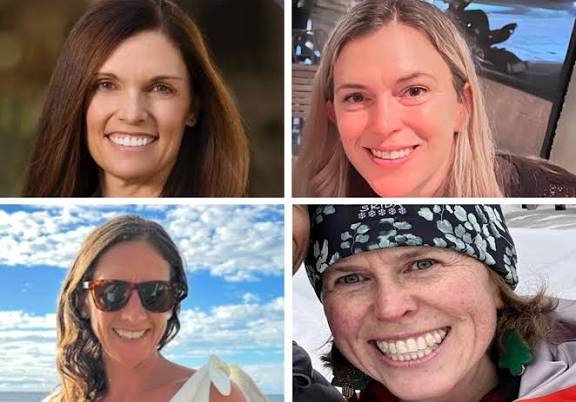
They may pursue large damages, but insurers and proof of gross negligence will likely determine how much families actually recover.
The post will unpack how that $50 million figure is calculated, what legal theories plaintiffs could use, and why payouts often fall short of headline numbers — including how waivers, corporate structure, and criminal probes can shape civil outcomes.
Details of the $50 Million Lawsuit Against Tour Operators
The potential claims center on large monetary damages, limited insurance coverage, and criminal probes that could affect civil recovery. Families may target Blackbird Mountain Guide and seek compensation tied to victims’ earnings and life circumstances.
Potential Damages and Insurance Limitations
Attorneys estimate aggregate claims could approach $50 million if each of the nine deceased is valued at several million dollars based on lost earnings and life expectancy. Plaintiffs typically calculate damages by projecting each victim’s future income, adjusting for age, occupation, and dependents. Those calculations can push individual claims into the millions, especially for high-earning victims.
Insurance will likely control how much money actually reaches families. If Blackbird Mountain Guide’s liability policy has limits well below total claims, recoveries will be capped at the insurer’s payout. Plaintiffs may press for policy limits disclosures and argue for bad-faith handling if the insurer resists payment. If corporate coverage is insufficient, families could seek apportionment among claimants or explore whether the company’s owner or related entities hold additional assets.
Impact of Victims’ Backgrounds on Claims
Victims’ ages, incomes, and family situations will directly affect damage totals. High earners with young children can generate larger loss-of-support and loss-of-earnings figures than retirees or lower-wage workers. Attorneys will use tax records, employment history, and expert testimony on career trajectories to support each calculation.
Non-economic damages — pain and suffering, loss of companionship — will also vary by relationship and circumstances. Plaintiffs with strong community ties or significant future earning potential often see higher demands. Medical expenses and funeral costs will form smaller, more certain components of each claim and are easier to quantify and document.
Role of Blackbird Mountain Guide and Criminal Investigations
Blackbird Mountain Guide stands at the center of both civil and criminal scrutiny. Families will allege negligent trip planning, decisions to run routes in elevated avalanche conditions, and possible awareness of risks shown in prior company communications. Plaintiffs may cite company statements or videos about local conditions as evidence of knowledge.
State investigators are examining whether conduct rises to criminally negligent homicide; a criminal finding of gross negligence would strengthen civil claims by undermining waiver defenses. Even without criminal convictions, internal company practices, guide training, and decision-making logs can be used in civil court to argue liability.
Legal Recovery and Broader Implications for Victim Families
Families face a mix of legal, evidentiary, and procedural hurdles when seeking compensation after a disaster. Plaintiffs will weigh the likely monetary recovery, timelines, and public exposure before filing claims.
Challenges in Securing Full Compensation
Proving liability for a guided backcountry trip requires clear links between a tour operator’s decisions and the avalanche. Plaintiffs must show the company breached a duty — for example, by ignoring weather warnings, using inadequately trained guides, or failing to follow avalanche protocols — and that the breach caused deaths. Insurance limits, corporate structure, and available assets often cap recoveries even if liability is clear.
Discovery will likely focus on guide training records, trip planning documents, radio and GPS logs, and internal emails. Criminal or regulatory probes, such as an OSHA-style inquiry, can produce evidence but also slow civil timelines. Comparative examples — like child abuse cases involving named victims such as Anthony Avalos or Gabriel Fernandez — illustrate how emotional claims can collide with evidentiary scarcity and limited defendant resources. Families should expect protracted litigation and the possibility of settlements well below headline figures.
Comparison to Other High-Profile Wrongful Death Lawsuits
High-profile wrongful death suits often show two patterns: significant public attention and constrained financial recovery. Cases tied to institutional failure, such as those involving systemic abuse, produced large settlements when defendants had deep-pocket insurers or admitted serious negligence. By contrast, when corporate defendants face credibility challenges but limited insurance, awards shrink.
In wrongful-death litigation tied to outdoor recreation, courts scrutinize assumption-of-risk defenses. Courts sometimes reduce awards if plaintiffs knowingly entered risky environments. That legal landscape resembles other tragic cases — for instance, public outrage over child protection failures in the cases of Kareem Leiva or Noah Cuatro prompted policy changes but did not always translate into large monetary awards for families. Plaintiffs in the Tahoe matter will need to neutralize assumption-of-risk arguments and emphasize operational failures to maximize recovery.
Class Action Versus Individual Civil Suits
Plaintiffs must decide whether to pursue a consolidated class action or separate wrongful-death suits. A class action could streamline discovery and amplify leverage against a single operator, but courts rarely certify classes for individualized damages like funeral costs or loss-of-care claims. Individual suits allow tailored claims for each family’s economic and non-economic losses, preserving the ability to present distinct damages for surviving children.
Strategically, counsel often files individual suits while coordinating discovery to reduce duplication. That hybrid approach mirrors tactics used in other multi-victim tragedies where families sought both individualized compensation and shared accountability. If insurers or the company push for early global settlement, families must balance speed against adequate valuation of long-term needs for surviving dependents.
More from Cultivated Comfort:
- 7 Vintage Home Items From the ’60s That Are Collectors’ Dream Finds
- 7 Vintage Home Goods That Became Collectors’ Gold
- 7 Fast-Food Chains That Changed for the Worse
- 7 Frozen Dinners That Were Better Back in the Day

As a mom of three busy boys, I know how chaotic life can get — but I’ve learned that it’s possible to create a beautiful, cozy home even with kids running around. That’s why I started Cultivated Comfort — to share practical tips, simple systems, and a little encouragement for parents like me who want to make their home feel warm, inviting, and effortlessly stylish. Whether it’s managing toy chaos, streamlining everyday routines, or finding little moments of calm, I’m here to help you simplify your space and create a sense of comfort.
But home is just part of the story. I’m also passionate about seeing the world and creating beautiful meals to share with the people I love. Through Cultivated Comfort, I share my journey of balancing motherhood with building a home that feels rich and peaceful — and finding joy in exploring new places and flavors along the way.