She wore two braids during a shift and noticed men tipped more—sparking a viral debate about whether appearance alone can change income for servers. The quick answer: changing hairstyle appeared to increase tips in multiple anecdotes, but that effect highlights deeper issues of appearance bias rather than a reliable, fair strategy for earning more.
You’ll follow how one Arizona bartender’s braids triggered the conversation, see examples of the so-called “braid effect,” and explore what research and workplace ethics say about tipping tied to looks. Expect practical context about why this matters for anyone working service jobs and what it reveals about customer behavior and bias.
Find the original report on the incident at this article about the Arizona bartender wearing two braids during her shift (MSN).
The ‘Braid Effect’: How A Bartender’s Look Changed Her Tips
A bartender in Arizona noticed a clear change in customer tipping after she wore two braids during a shift. The experience led other servers to share similar anecdotes and prompted debate online about appearance-driven tipping.
What Happened During The Shift
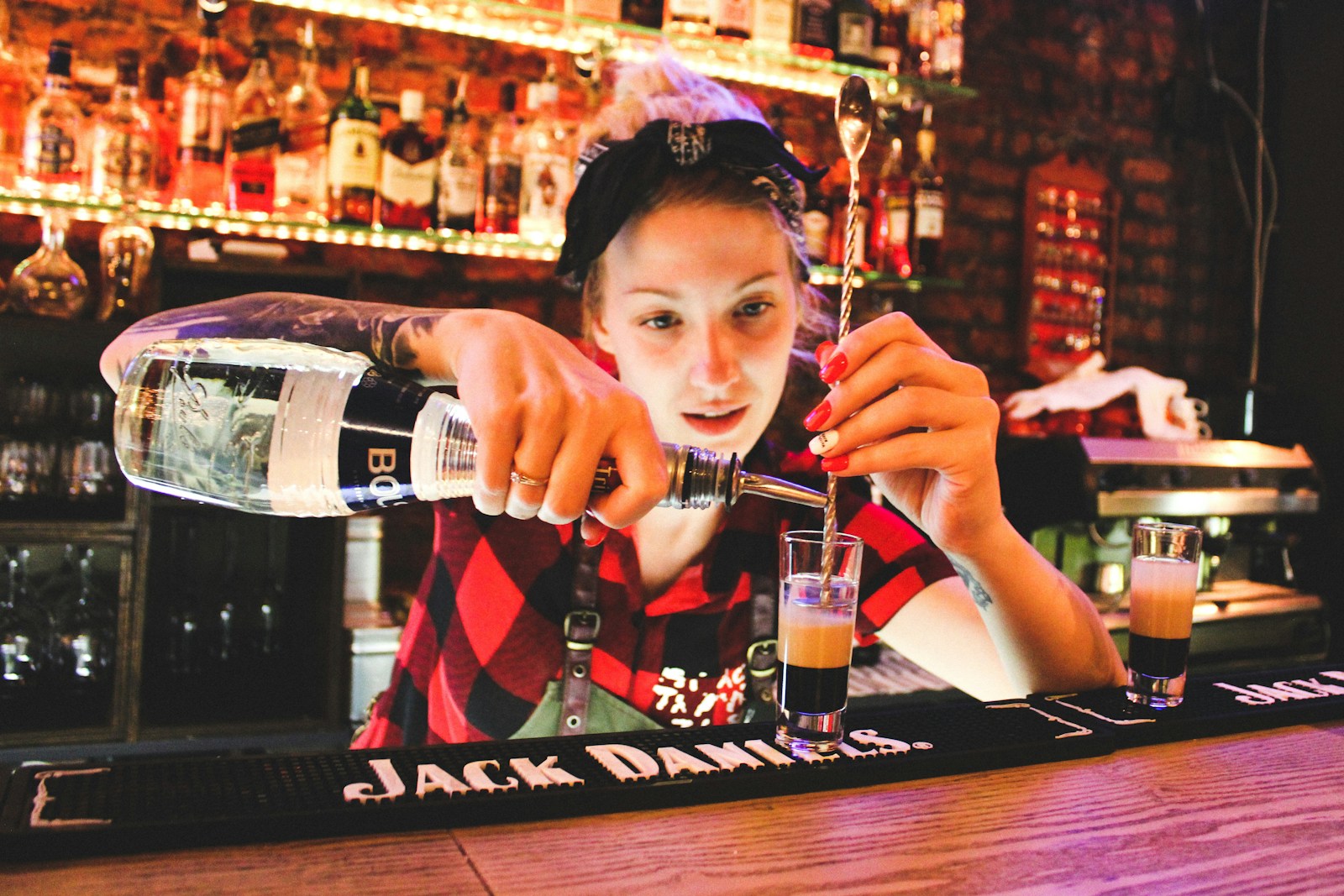
She worked a regular evening shift and braided her hair into twin braids before clocking in. Customers’ behaviors shifted: several left larger tips than she typically received, and she tracked the difference anecdotally during the night. The increase wasn’t quantified precisely in public posts, but she described it as “immediate” and noticeably higher than average.
Her explanation focused on visibility and perception. With hair pulled back, her face and expressions were more visible while serving drinks and handling tabs. That change in presentation can affect quick customer judgments in a busy bar environment where first impressions influence gratuity decisions.
Reactions On Social Media And Among Bartenders
On TikTok and comment threads, other bartenders and servers reported comparable experiences when they wore pigtailed or braided styles. Some offered practical tips: keep hair tidy, choose styles that show the face, and test small changes across multiple shifts to see if tips change. One post discussing the phenomenon reached a few thousand views and prompted many anecdotal replies.
Critics pushed back, saying the effect highlights appearance bias in serving jobs and unequal tipping based on looks. Conversations expanded to include gendered expectations, workplace image policies, and whether altering appearance to chase tips is fair or sustainable for staff.
Links: read the original report on the Arizona bartender’s braid experiment here.
Understanding Appearance Bias And Tipping In Serving Jobs
Appearance can change how customers respond, how coworkers treat a worker, and how managers assign shifts. Small changes—hairstyle, makeup, clothing—often shift tip patterns because they alter quick impressions and gendered expectations.
Customer Perceptions And Gender Dynamics
Customers form split-second judgments about servers and bartenders based on visible cues like hair, clothing, and grooming. These judgments influence perceived warmth, competence, and even approachability, which research and first-person accounts link to tip size. For example, male customers have reported tipping more for traditionally feminine cues in some studies and anecdotes.
Gender also shapes expectations. Women in serving jobs face both positive and negative biases: attractive or well-groomed women can receive higher tips but may also suffer from sexualized comments or different standards for professionalism. Men may experience different patterns—sometimes rewarded for authority or criticized for perceived lack of effort. Managers and coworkers can reinforce these dynamics through seating, shift assignment, or customer-facing roles.
Other Hairstyle Experiments And Trends
Servers and bartenders often test small, low-cost changes—lipstick color, hair up versus down, or adding braids—to see how customers react. Social media threads and articles document experiments where specific looks correlated with tip differences. These experiments rarely use controlled methods, but consistent anecdotal trends emerge: visible effort in appearance sometimes increases tips, especially in casual or nightlife settings.
Trends also follow venue type. In upscale dining, understated grooming often matters more than bold styles. In bars or themed restaurants, creative hairstyles can boost visibility and rapport. Co-workers sometimes adopt similar tweaks, creating local norms that shape customer expectations for the whole team.
Controversy And Debates About Fairness
Appearance-based tipping sparks debate about fairness in the workplace. Critics argue that relying on customer preferences entrenches discrimination by race, gender, age, and body type. Policies such as standardized uniforms or higher base pay aim to reduce dependence on tips for income equity.
Defenders of personal expression point to autonomy and the practical reality that appearance affects earnings. Labor advocates push for structural solutions—eliminating subminimum tipped wages, tip pooling rules, and clearer harassment protections—to address the underlying inequities. The discussion often centers on whether individual strategies (like changing a hairstyle) are coping mechanisms or indicators of a system that needs policy change.
More from Cultivated Comfort:
- 7 Vintage Home Items From the ’60s That Are Collectors’ Dream Finds
- 7 Vintage Home Goods That Became Collectors’ Gold
- 7 Fast-Food Chains That Changed for the Worse
- 7 Frozen Dinners That Were Better Back in the Day

As a mom of three busy boys, I know how chaotic life can get — but I’ve learned that it’s possible to create a beautiful, cozy home even with kids running around. That’s why I started Cultivated Comfort — to share practical tips, simple systems, and a little encouragement for parents like me who want to make their home feel warm, inviting, and effortlessly stylish. Whether it’s managing toy chaos, streamlining everyday routines, or finding little moments of calm, I’m here to help you simplify your space and create a sense of comfort.
But home is just part of the story. I’m also passionate about seeing the world and creating beautiful meals to share with the people I love. Through Cultivated Comfort, I share my journey of balancing motherhood with building a home that feels rich and peaceful — and finding joy in exploring new places and flavors along the way.