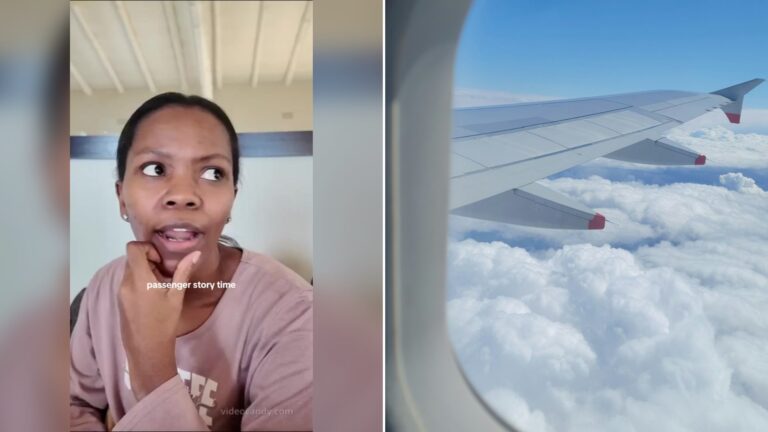
A recent airline passenger took to social media to share her frustrating experience after paying extra for a seat in a designated quiet row, only to have the airline move her next to a crying toddler mid-flight. The traveler described the situation as “completely unfair” after she had specifically purchased a premium seat to ensure a peaceful journey. The incident has sparked debate about airline policies and passenger rights when it comes to seat assignments.
The controversy began when the passenger boarded her flight expecting the calm environment she had paid for, but found herself relocated without warning or explanation. What followed was a flight spent partially in the aisle as another passenger dealt with the disruption, creating an uncomfortable situation for multiple travelers involved.
The story has resonated with frequent flyers who have faced similar airline seat assignment issues, raising questions about what airlines owe passengers when paid upgrades don’t deliver as promised. The incident highlights ongoing tensions between airline operational needs and customer expectations for the services they purchase.
Traveler’s Experience: Seat Switch After Paying for Quiet Row
A traveler’s carefully planned seating arrangement fell apart when the airline moved her next to a crying toddler despite paying extra for a quiet row. The switch left her frustrated and questioning whether airlines should have the right to reassign paid seats without consent.
Why Paying Extra for a Quiet Row Matters to Travelers
Many passengers specifically select quiet rows or premium seating locations to ensure a peaceful flight experience. Airlines market these seats as upgrades that provide additional comfort and reduced disturbances from families with young children.
The extra fees for these seat assignments can range from $20 to over $100 depending on the route and airline. Travelers who pay these premiums expect to receive the specific benefits advertised with their seat selection.
For business travelers or those on long-haul flights, the ability to work or rest without disruption becomes particularly valuable. When airlines change seat assignments, passengers lose the primary benefit they paid to receive.
The traveler in this situation had invested in a quiet row specifically to avoid situations involving young children during her flight.
How the Airline Handled the Seat Change
Airlines can legally reassign seats even when passengers have paid extra fees for specific locations. Airlines have the right to change seats without warning and don’t need to provide a reason for the switch.
In this case, the airline moved the traveler from her paid quiet row seat to accommodate other passengers. The reassignment placed her directly next to a toddler who cried throughout the flight.
The passenger described the situation as “completely unfair” given that she had specifically paid to avoid such scenarios. Airlines often make these changes to keep families together or due to operational requirements like equipment changes.
When passengers lose their paid seat assignments, they’re generally entitled to a refund of the seat selection fee in the United States. However, many passengers don’t know to request this compensation.
The Impact of Being Seated Next to a Crying Toddler
The traveler endured significant disruption throughout her flight due to the crying child seated beside her. What should have been a quiet journey turned into an uncomfortable experience that defeated the entire purpose of her upgrade purchase.
Crying toddlers on flights create noise levels that make it impossible to work, sleep, or relax during travel. The situation becomes especially frustrating when passengers have taken specific steps to avoid such disturbances by paying extra fees.
The traveler’s experience highlights the gap between what airlines promise with premium seat selections and what they actually deliver. When airlines move passengers who paid for specific seats, the core issue centers on whether adequate compensation follows.
Beyond the immediate discomfort, the incident raises questions about airline accountability. Passengers who pay extra expect their seat preferences to be honored except in rare circumstances.
Reactions, Policies, and Broader Implications
When airlines reassign paid seats, passengers often express frustration online and through formal complaints. Airlines maintain broad rights to change seating arrangements, though passengers may qualify for refunds when downgraded from premium selections.
Passenger and Social Media Reactions to the Situation
Airline seat disputes frequently spark heated debates on social media platforms. A Brazilian woman who refused to swap seats with a crying child became the center of controversy after another passenger filmed her and posted the video online.
The backlash was severe. Jeniffer Castro, 29, faced such intense public criticism that she lost her entire career as a former banker. She found a child sitting in her pre-selected window seat on a 2024 flight from Rio de Janeiro to Belo Horizonte.
Castro ultimately filed charges against both the airline and the passenger who recorded her. In other cases, passengers have been “bullied” by fellow travelers who encouraged them to give up their rightful seats to accommodate families.
Airline Policies on Seat Assignments and Paid Upgrades
Airlines retain significant authority over seating arrangements through their contracts of carriage. Gate agents have supreme power over seat assignments and can require passengers to move for operational reasons, safety concerns, or to accommodate families.
When purchasing a ticket, passengers technically buy transportation from point A to point B rather than a specific seat. Airlines can change assignments at their discretion. However, passengers may be entitled to a refund when downgraded from premium seats.
The refund typically covers the price difference between the original paid seat and the new assignment. Airlines will reimburse fees for extra legroom seats or preferred positions if passengers get moved to standard economy.
Advice for Avoiding Similar Issues in the Future
Passengers who pay extra for specific seats face limited options when airlines make changes. The boarding pass reflects the current assigned seat, regardless of what was originally selected. If reassigned, travelers should immediately request compensation for the downgrade.
Documentation matters when seeking refunds. Passengers need proof of their original seat purchase and the fee paid for any premium selection. Contacting the airline’s customer service department after the flight offers the best chance for reimbursement.
Flight attendants sometimes offer complimentary items to passengers who willingly switch seats. However, those who refuse face no legal obligation to move unless a gate agent issues a new boarding pass with a different assignment.
More from Cultivated Comfort:
- 7 Vintage Home Items From the ’60s That Are Collectors’ Dream Finds
- 7 Vintage Home Goods That Became Collectors’ Gold
- 7 Fast-Food Chains That Changed for the Worse
- 7 Frozen Dinners That Were Better Back in the Day

As a mom of three busy boys, I know how chaotic life can get — but I’ve learned that it’s possible to create a beautiful, cozy home even with kids running around. That’s why I started Cultivated Comfort — to share practical tips, simple systems, and a little encouragement for parents like me who want to make their home feel warm, inviting, and effortlessly stylish. Whether it’s managing toy chaos, streamlining everyday routines, or finding little moments of calm, I’m here to help you simplify your space and create a sense of comfort.
But home is just part of the story. I’m also passionate about seeing the world and creating beautiful meals to share with the people I love. Through Cultivated Comfort, I share my journey of balancing motherhood with building a home that feels rich and peaceful — and finding joy in exploring new places and flavors along the way.