

A homeowner is dealing with an ongoing frustration that’s destroying months of hard work in her garden. Her neighbor’s dog has been repeatedly digging under the fence separating their properties, tunneling into her carefully tended garden beds and ruining the plants she spent the entire growing season cultivating.
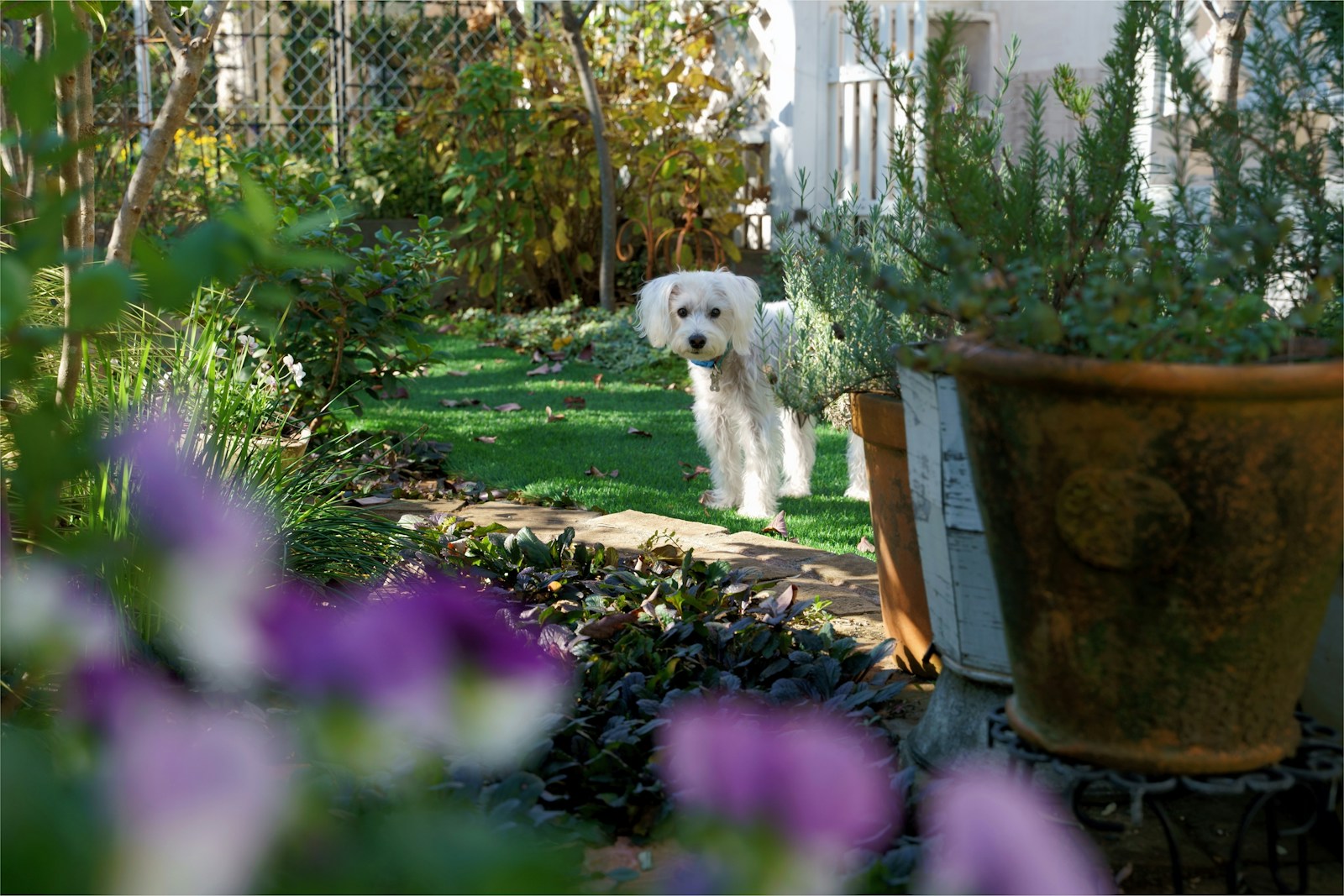
The persistent digging has created large holes along the fence line and left her yard damaged, with no clear resolution in sight despite her attempts to address the situation with her neighbor. Dealing with a neighbor’s dog that persistently digs under the fence can lead to property concerns, safety issues, and strained relationships between neighbors.
The situation highlights a common problem many homeowners face when a neighbor’s animals are creating a problem on their property. The homeowner’s experience reveals both the emotional toll of watching her garden get destroyed and the practical challenges of finding a solution when communication with the dog’s owner proves difficult.
Understanding Why Neighbor’s Dogs Dig Under Fences and Damage Gardens
Dogs dig under fences for various instinctive and environmental reasons, from boredom to breed-specific behaviors. When they escape into neighboring yards, they can quickly destroy months of gardening work by trampling seedlings, digging up roots, and creating holes throughout flowerbeds.
Common Reasons Dogs Dig and Escape
Dogs dig for numerous reasons, with boredom being one of the most common motivators. When left alone for extended periods without adequate mental stimulation, dogs create their own entertainment by digging. Highly intelligent breeds like Border Collies, Poodles, and German Shepherds are particularly prone to boredom-related digging.
Some dogs are driven by their prey instinct. They dig frantically trying to reach squirrels, rabbits, cats, or other small animals they spot on the other side of the fence. This behavior is especially strong in scent hounds and terriers that were originally bred for hunting.
Loneliness pushes many dogs to escape. As social animals, dogs left isolated in yards for hours will dig their way out searching for companionship. Unneutered males often dig under fences when seeking mates, with sexual roaming urges overriding their training to stay within boundaries.
Temperature regulation also drives digging behavior. Dogs dig holes to reach cooler soil during hot summer months or to create sheltered spots during cold weather.
How Digging Affects Gardens and Plants
When dogs dig under fences into gardens, they cause immediate and severe damage to plants. Their paws tear through delicate root systems, destroying months of careful cultivation in minutes. Newly planted seedlings are especially vulnerable since their shallow roots offer no resistance to a determined dog.
The damage extends beyond the digging itself. Dogs running through garden beds trample plants, breaking stems and crushing foliage. Their weight compacts soil around plant roots, reducing oxygen flow and water absorption that plants need to survive.
Dogs also dig up bulbs and tubers while searching for interesting scents. Garden amendments like bone meal or blood meal can attract dogs who smell what they perceive as food buried in the soil. Once they start digging in these areas, they often continue destroying surrounding plants even after realizing there’s no actual food to find.
Which Dog Breeds Are Most Likely to Dig
Certain breeds were specifically developed for digging and are classified as “Houdini hounds” due to their escape artist tendencies. Dachshunds were bred to dig into badger dens, making fence-digging almost second nature to them. Jack Russell Terriers similarly have strong digging instincts from their breeding as hunting dogs.
Northern breeds like Siberian Huskies and Malamutes frequently dig to escape. These dogs were bred to run long distances and often possess wanderlust that drives them to find ways out of confined spaces.
Scent hounds including Beagles, Basset Hounds, and Bloodhounds dig under fences when following interesting smells. Their powerful noses detect scents from remarkable distances, compelling them to dig their way toward whatever has caught their attention. Chow Chows also appear on the list of breeds most prone to digging and escaping despite their reputation as more sedentary dogs.
How to Handle a Neighbor’s Dog Who Digs Into Your Garden
When a neighbor’s dog repeatedly invades a garden, homeowners typically start by documenting the damage, then attempt conversation before moving to physical solutions or legal action. Most situations require a combination of evidence gathering, direct communication, and barrier installation to resolve the issue.
Documenting Incidents and Damage
Taking photos and videos of the dog in the act provides concrete evidence if the situation escalates. Homeowners should capture images of the holes under the fence, damaged plants, and the dog itself during intrusions.
A written log helps establish a pattern of behavior. This record should include dates, times, and descriptions of each incident along with estimated damage costs. Plant receipts, gardening expenses, and repair costs add financial documentation to the case.
Photos showing the progression of damage over weeks or months demonstrate the ongoing nature of the problem. Some homeowners set up motion-activated cameras near problem areas to catch incidents they might otherwise miss.
Talking With Your Neighbor About the Problem
The initial conversation works best when it remains calm and fact-based rather than accusatory. Bringing photos of the damage helps neighbors understand the scope of the problem without making them defensive.
Many dog owners don’t realize their pet is escaping or causing damage. The conversation might reveal that they’re unaware of the digging behavior or didn’t know their dog could fit under the fence.
Suggesting shared responsibility for fence repairs sometimes leads to cooperative solutions. Some neighbors split the cost of installing barriers to prevent dogs from digging or agree on reinforcement materials that satisfy both parties.
Physical Barriers and Fence Reinforcements
Digging a trench and burying chicken wire creates an underground barrier the dog can’t penetrate. The wire should extend 1-2 feet deep and get stapled to the fence before filling the trench back in.
Installing landscaping stones along the fence line works for homeowners who want a more aesthetic solution. A layer of large, flat rocks at least one foot wide from the fence makes digging difficult while improving yard appearance.
Burying posts or boards vertically under gates and fence sections blocks common escape routes. These barriers need to extend deep enough that determined diggers can’t work around them.
Involving Animal Control and Knowing Your Rights
Most municipalities have ordinances about animals trespassing on property or causing damage. Homeowners can check local laws through city websites or by calling animal control directly to understand what regulations apply.
Filing a formal complaint with animal control creates an official record. Officers may visit the neighbor to issue warnings or citations depending on local laws and the severity of violations.
Small claims court becomes an option when neighbors refuse to address the problem and damage costs mount. Documentation of incidents, repair expenses, and prior communication attempts strengthens these cases.
More from Cultivated Comfort:
- 7 Vintage Home Items From the ’60s That Are Collectors’ Dream Finds
- 7 Vintage Home Goods That Became Collectors’ Gold
- 7 Fast-Food Chains That Changed for the Worse
- 7 Frozen Dinners That Were Better Back in the Day

As a mom of three busy boys, I know how chaotic life can get — but I’ve learned that it’s possible to create a beautiful, cozy home even with kids running around. That’s why I started Cultivated Comfort — to share practical tips, simple systems, and a little encouragement for parents like me who want to make their home feel warm, inviting, and effortlessly stylish. Whether it’s managing toy chaos, streamlining everyday routines, or finding little moments of calm, I’m here to help you simplify your space and create a sense of comfort.
But home is just part of the story. I’m also passionate about seeing the world and creating beautiful meals to share with the people I love. Through Cultivated Comfort, I share my journey of balancing motherhood with building a home that feels rich and peaceful — and finding joy in exploring new places and flavors along the way.


