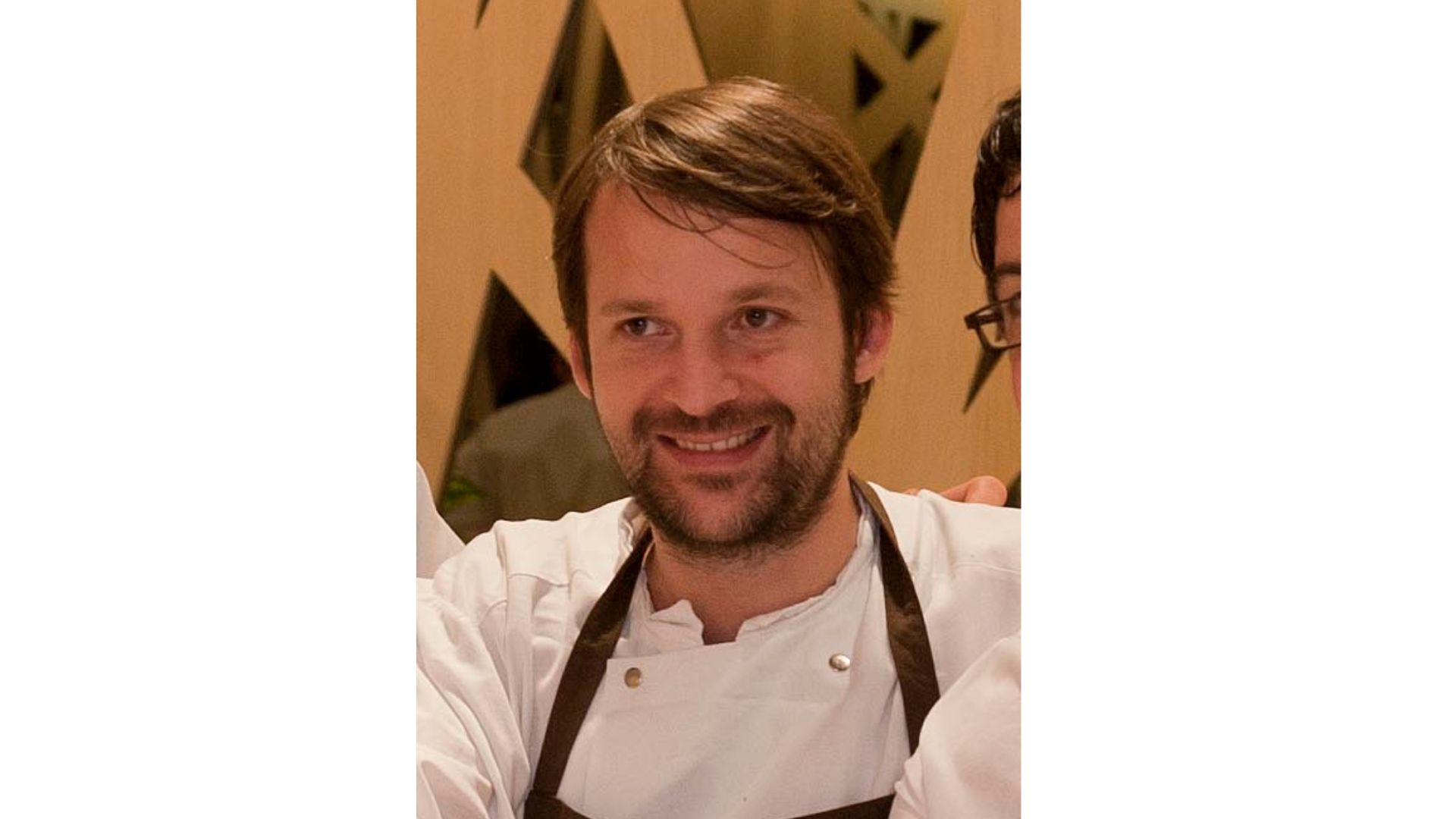
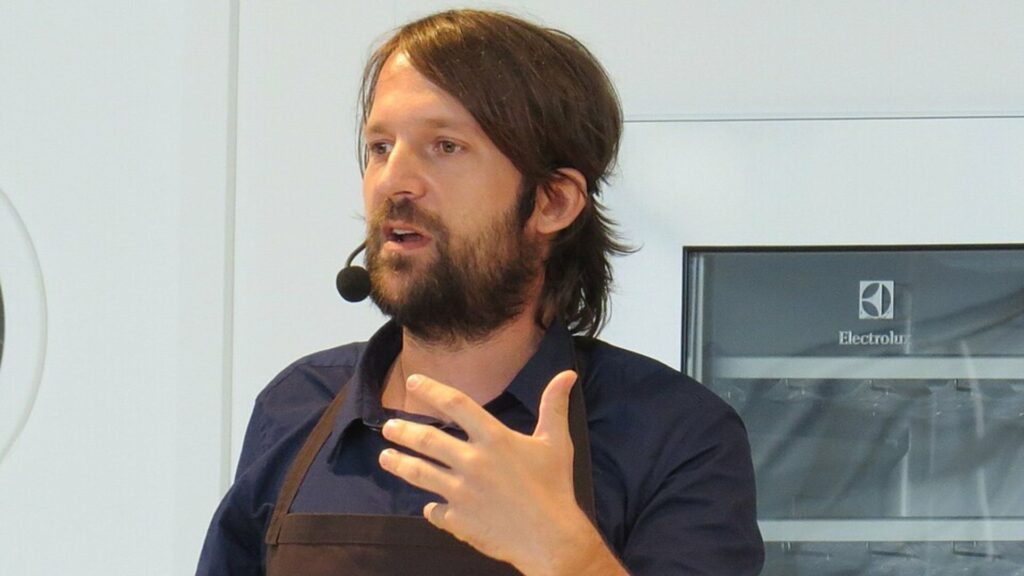
When René Redzepi announced he would step away from Noma, the decision did more than mark a leadership shift at one of the world’s most influential restaurants; it reignited a longstanding conversation about the culture of pressure that has defined fine dining for decades. Widely regarded as a pioneer of modern Nordic cuisine, Redzepi built a global reputation on precision, innovation, and an uncompromising approach to craft, yet the recent allegations surrounding his conduct have forced the industry to confront how those same qualities have sometimes been sustained.
The moment feels less like an isolated controversy and more like a culmination of years of unease within professional kitchens, where intensity has often been interpreted as a prerequisite for excellence. As the fine dining world reflects on what this means, the conversation is shifting away from individual accountability toward the systems that have quietly enabled these environments to persist.
The Culture Behind Michelin-Level Excellence
At the highest level of gastronomy, restaurants such as Noma are not simply places to dine but institutions that shape global culinary direction, influencing everything from ingredient sourcing to plating philosophy. The expectations placed on these kitchens are exacting, with each dish required to meet a standard that is both technically flawless and conceptually original, often under relentless time pressure.
This pursuit of perfection has historically been supported by rigid hierarchies rooted in the brigade system, a structure developed in the late nineteenth century to ensure efficiency and discipline. While effective in maintaining order, it also concentrates authority in ways that can blur the line between leadership and control, particularly in environments where reputations are built on consistency at the highest level.
Why This Moment Signals a Shift for Fine Dining
The response to Redzepi’s departure suggests that the industry is entering a period of reassessment, where long-accepted norms are being questioned with greater urgency. Conversations that were once confined to private kitchens or informal networks are now taking place publicly, driven in part by a new generation of chefs and hospitality professionals who are less willing to accept harmful behavior as part of professional growth.
Organizations such as Not 9 to 5 and The Burnt Chef Project have played a role in amplifying these discussions, advocating for working environments that prioritize both performance and wellbeing. Their influence reflects a broader recognition that sustainability in hospitality extends beyond sourcing and menu design to include the conditions under which teams operate.
The Role of Media and Cultural Perception
Public perception of kitchen culture has long been shaped by media portrayals, from the dramatized intensity of Hell’s Kitchen to the more nuanced depiction in The Bear, which many industry professionals have described as strikingly accurate. These narratives have contributed to a wider acceptance of volatility as part of the creative process, reinforcing the idea that exceptional results require equally extreme conditions.
At the same time, these portrayals have begun to shift, reflecting a growing awareness that leadership in modern kitchens must evolve alongside changing expectations. The emphasis is gradually moving toward collaboration, mentorship, and emotional intelligence, qualities that are increasingly seen as essential rather than optional in sustaining high-performing teams.
Reconsidering the Economics and Expectations of Fine Dining
Behind the cultural conversation lies a more complex reality shaped by the economics of fine dining, where rising costs, staffing challenges, and the pressure to maintain global recognition create an environment of constant strain. Restaurants operating at this level are often balancing narrow profit margins with the expectation to deliver an experience that feels effortless to the guest.
This tension has historically contributed to a model where intensity becomes normalized, yet there is growing recognition that such environments are neither sustainable nor necessary for excellence. As more professionals leave the industry in search of healthier working conditions, operators are being compelled to rethink how kitchens are structured and managed, not only for ethical reasons but for long-term viability.
What Comes Next for the Industry
The decision by René Redzepi to step away from Noma may ultimately be remembered less for its immediate impact and more for what it represents within a larger transformation. While individual accountability remains important, the broader challenge lies in addressing the systems that have allowed similar patterns to emerge across different kitchens and regions.
For diners, this moment introduces a new layer of consideration, where the value of a dining experience is increasingly tied not only to what appears on the plate but to how it is produced behind the scenes. As the industry continues to evolve, the most meaningful change may come from a collective shift in expectations, where excellence is defined not only by precision and creativity but by the conditions that make both possible.
In that sense, this is not simply a story about one chef or one restaurant, but about an industry recalibrating its definition of success. The next chapter of fine dining will likely be shaped as much by leadership and culture as by technique, inviting both professionals and patrons to engage more thoughtfully with the systems that underpin the experience.
More from Cultivated Comfort:
- 7 Vintage Home Items From the ’60s That Are Collectors’ Dream Finds
- 7 Vintage Home Goods That Became Collectors’ Gold
- 7 Fast-Food Chains That Changed for the Worse
- 7 Frozen Dinners That Were Better Back in the Day

As a mom of three busy boys, I know how chaotic life can get — but I’ve learned that it’s possible to create a beautiful, cozy home even with kids running around. That’s why I started Cultivated Comfort — to share practical tips, simple systems, and a little encouragement for parents like me who want to make their home feel warm, inviting, and effortlessly stylish. Whether it’s managing toy chaos, streamlining everyday routines, or finding little moments of calm, I’m here to help you simplify your space and create a sense of comfort.
But home is just part of the story. I’m also passionate about seeing the world and creating beautiful meals to share with the people I love. Through Cultivated Comfort, I share my journey of balancing motherhood with building a home that feels rich and peaceful — and finding joy in exploring new places and flavors along the way.