Dinner bills rarely turn into debates about culture, but a short video from @fancybreadmiami managed to do exactly that. What seemed like a simple explanation about restaurant practices quickly opened up a wider conversation about etiquette, money, and what people consider “proper” behavior in upscale spaces. The topic felt familiar, yet the framing made it feel slightly uncomfortable, like a quiet rule many people hadn’t agreed to but were suddenly expected to understand.
That tension is what pulled people in. Some viewers recognized the setting being described, while others felt like they were hearing about a different world entirely. The idea that something as routine as paying a bill could carry social meaning made people pause and reflect. It wasn’t just about restaurants anymore, it was about how people show up in shared experiences and what those choices signal to others.
What the Video Actually Says
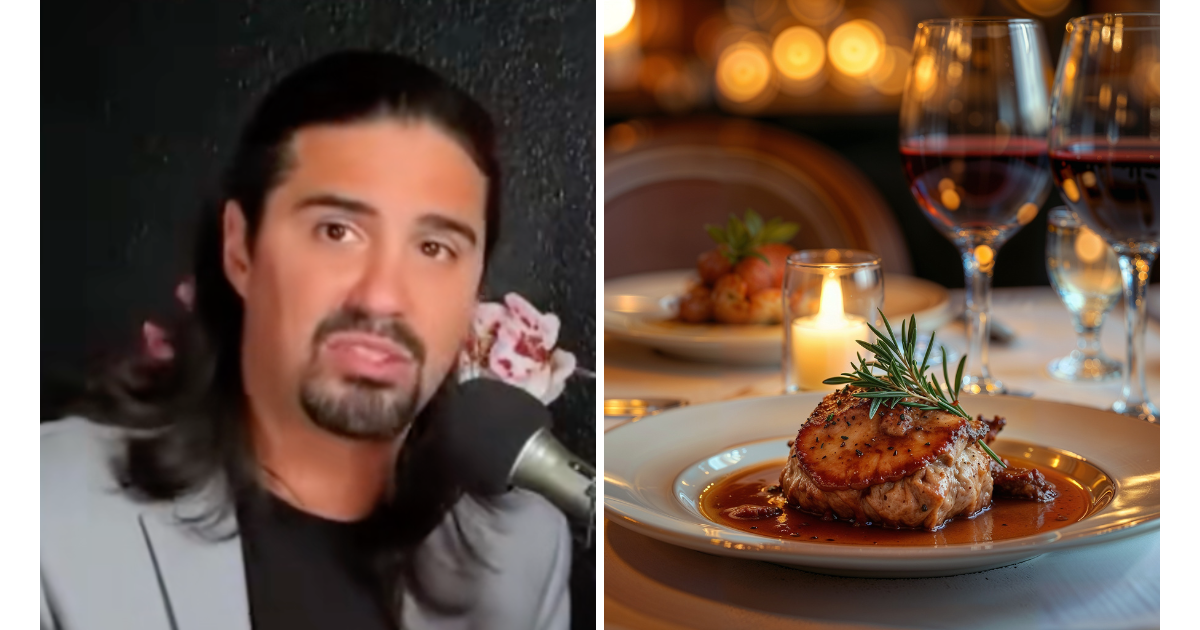
In the video, @fancybreadmiami explains that high-caliber restaurants typically present one check per table. He describes it as part of the overall dining experience, where service is designed to feel smooth and uninterrupted. From his perspective, splitting the bill introduces friction into that flow, making the experience feel less refined.
That idea lines up with how traditional fine dining is structured. According to standards associated with the Michelin Guide, restaurants are judged not just on food, but on the consistency and fluidity of service from start to finish. Staff are trained to minimize disruptions and maintain a sense of rhythm throughout the meal. Handling multiple payments at the end can interrupt that rhythm, especially in settings where every detail is carefully controlled.
Still, the video presents this more as etiquette than pure logistics. That distinction matters, because viewers are left to decide whether this is a helpful insight or an unnecessary rule. The explanation is clear, but the implication carries more weight than the words themselves.
Why Some Restaurants Prefer One Check
There are practical reasons behind the “one check” approach that go beyond appearances. In many traditional setups, orders are shared across the table, which makes itemizing bills per person more complicated. Servers have to track who had what, adjust for shared plates, and ensure totals are accurate, all while maintaining the pace of service.
Industry insights from groups like the National Restaurant Association highlight how efficiency and guest experience are closely linked, particularly in upscale dining environments. A smooth closing process is part of the overall impression, and anything that slows it down can affect how the experience is remembered. Multiple payment requests can add time and increase the risk of small errors.
Even so, technology is changing things. Many restaurants now use modern POS systems that make splitting bills easier and faster than it used to be. This shift means that while the one-check tradition still exists, it’s no longer as strictly enforced as it once was.
Where Etiquette Meets Real Life
Dining habits have evolved, and that’s where the conversation becomes more grounded. Many people today prefer to split bills simply because it feels fair and transparent. In group settings, especially among friends or colleagues, dividing the total avoids awkwardness and keeps things straightforward.
Data from platforms like OpenTable suggests that modern diners value flexibility as much as experience. Personalization has become part of dining culture, and that includes how people choose to pay. What used to be seen as formal etiquette is now often balanced against convenience and comfort.
Cultural differences also play a role. In some places, covering the entire bill is a sign of generosity, while in others, splitting is the default. These differences mean that no single rule applies everywhere, even within the same type of restaurant.
Why This Topic Feels Bigger Than a Bill
What makes this discussion stick is that it taps into deeper social signals. Paying the bill isn’t just a transaction, it can communicate status, generosity, or equality depending on how it’s handled. A single check might suggest hosting or treating others, while splitting can reflect shared responsibility and independence.
The video resonates because it quietly introduces a standard without fully acknowledging those nuances. For some viewers, it feels like useful guidance. For others, it feels like an unnecessary layer of pressure tied to luxury spaces. That contrast is what keeps the conversation active.
There’s also something personal about being told there’s a “right” way to do something so common. Even when presented casually, it can make people reconsider their habits. That reflection is part of why the topic continues to circulate.
Would You Split the Bill at Fine Dining?
The question doesn’t have a single answer, and that’s what makes it interesting. In more traditional fine dining environments, sticking to one check can align with how the service is designed. It keeps things simple for staff and maintains the pacing that these restaurants aim to deliver.
At the same time, splitting the bill is widely accepted in many modern settings, especially when handled politely. Many restaurants will accommodate it if the request is clear and made early. The shift toward flexibility means that etiquette is becoming less rigid and more situational.
The more useful takeaway isn’t about choosing one approach over the other. It’s about reading the room, understanding the setting, and deciding what feels appropriate for the group you’re with. Would you adjust your habits depending on the experience, or stick with what feels fair to you? That balance between tradition and practicality is what keeps the debate open.
More from Cultivated Comfort:
- 7 Vintage Home Items From the ’60s That Are Collectors’ Dream Finds
- 7 Vintage Home Goods That Became Collectors’ Gold
- 7 Fast-Food Chains That Changed for the Worse
- 7 Frozen Dinners That Were Better Back in the Day