A quiet dinner setting doesn’t usually come with instructions, yet a TikTok from @lapatiala reframed it as something you can actually learn and practice. Her video doesn’t focus on expensive dishes or exclusive locations, but on the small, almost invisible behaviors that shape how someone is perceived at the table. That shift in focus makes the topic feel less intimidating and more practical, especially for people who want to feel comfortable in unfamiliar dining spaces.
There’s something instantly relatable about the idea that confidence can be communicated without saying a word. Viewers aren’t being told to spend more or go somewhere fancy, they’re being shown how to carry themselves once they’re there. The appeal comes from how achievable it feels, because the rules aren’t complicated, they’re just rarely explained. That mix of accessibility and aspiration is what pulls people into the conversation.
What the Video Actually Shows
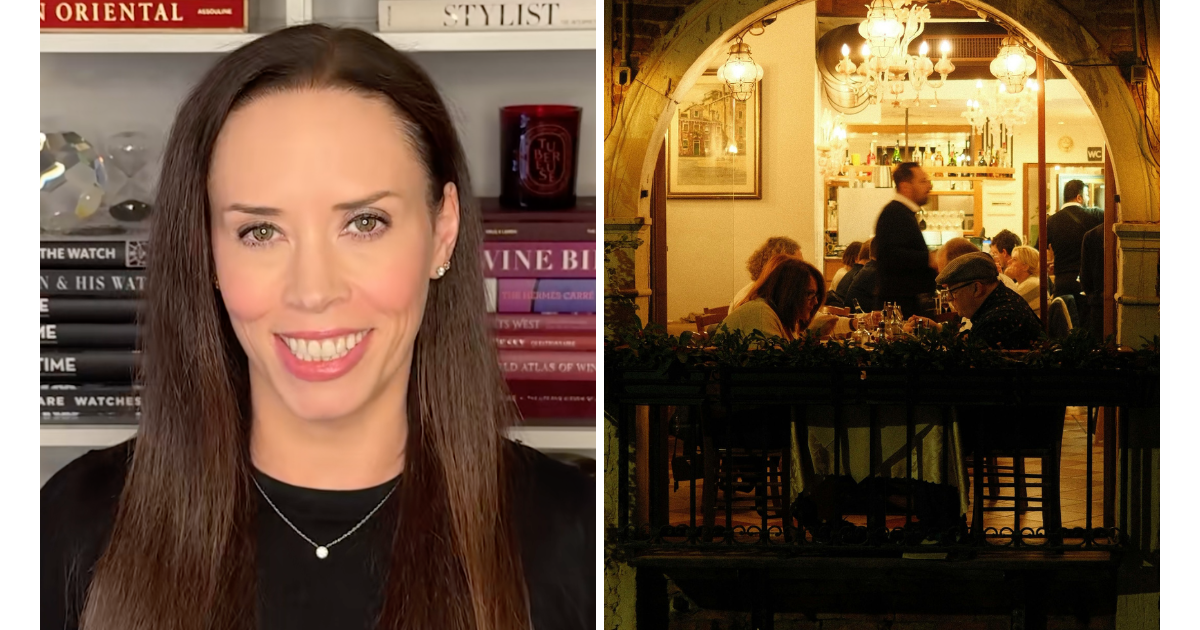
In the video, she opens with the idea that fine dining goes beyond food and into behavior. She walks through a series of small actions that signal awareness, starting with how to handle a napkin when seated. The explanation is simple, but it highlights how even the first few seconds at a table can set the tone for the rest of the experience.
She moves on to menu etiquette, explaining that closing the menu is a subtle signal that you’re ready to order. That small action helps servers manage timing without needing to interrupt or ask repeatedly. It’s a detail many people overlook, yet it plays into how smoothly the interaction unfolds.
The video also touches on seasoning, encouraging diners to taste their food before adding salt or pepper. This reflects a long-standing dining norm where adjusting a dish immediately can be seen as dismissing the chef’s intent. Alongside that, she mentions keeping phones off the table and allowing servers to guide the flow, reinforcing the idea that awareness shapes the experience.
Why These Rules Exist
These habits aren’t random, they come from how fine dining service is structured. Restaurants that operate at a high level often rely on nonverbal cues to maintain a smooth and uninterrupted experience. According to standards associated with the Michelin Guide, consistency and flow are central to how restaurants are evaluated, not just the food itself.
Servers are trained to read the table rather than constantly ask questions. A closed menu, a placed napkin, or a pause before seasoning all help them understand what guests need without breaking the rhythm of service. This creates an experience that feels effortless, even though it’s carefully managed behind the scenes.
That structure is what gives fine dining its polished feel. The goal isn’t to make guests follow strict rules, but to create an environment where everything flows naturally. These small etiquette signals simply help support that flow.
How It Translates to Real Life
While these rules come from formal dining environments, they don’t require a luxury setting to apply. Many of the behaviors she describes can be used anywhere, from casual restaurants to social dinners. The difference is that in fine dining, they’re expected, while in everyday settings, they simply enhance the experience.
Dining habits today are also more flexible than traditional etiquette might suggest. People often balance good manners with comfort, choosing what works best for their situation. That means etiquette is less about strict rules and more about awareness.
That balance makes the video feel practical rather than restrictive. Viewers can take what feels useful and leave what doesn’t, without feeling like they’re doing something wrong. It turns etiquette into something adaptable rather than fixed.
Why This Feels Like a Confidence Guide
What stands out in the video is how etiquette is framed as confidence rather than correctness. Each tip is less about avoiding mistakes and more about moving with intention. That subtle shift makes the advice feel empowering instead of intimidating.
Body language plays a big role in how people are perceived in social settings. Small actions, like putting your phone away or pausing before seasoning, can signal presence and awareness. These cues often go unnoticed consciously, but they shape impressions over time.
That’s why the video resonates beyond dining. It taps into a broader idea that confidence is built through small, repeatable habits. People aren’t just learning how to behave at a table, they’re learning how to carry themselves in shared spaces.
Would You Follow These Rules at a Restaurant?
The real question isn’t whether these rules are necessary, but whether they feel useful. In a formal dining setting, following them can help you feel more in sync with the environment. They make interactions smoother and reduce uncertainty, especially if you’re unfamiliar with that kind of space.
At the same time, not every dining experience requires this level of attention. Many people prioritize comfort and authenticity over strict etiquette, and that choice is just as valid. The key difference lies in understanding the setting and deciding what feels appropriate.
So it comes down to awareness rather than obligation. Would you adopt these habits to feel more confident in certain environments, or would you stick to what already feels natural to you? That flexibility is what makes etiquette feel relevant today.
More from Cultivated Comfort:
- 7 Vintage Home Items From the ’60s That Are Collectors’ Dream Finds
- 7 Vintage Home Goods That Became Collectors’ Gold
- 7 Fast-Food Chains That Changed for the Worse
- 7 Frozen Dinners That Were Better Back in the Day