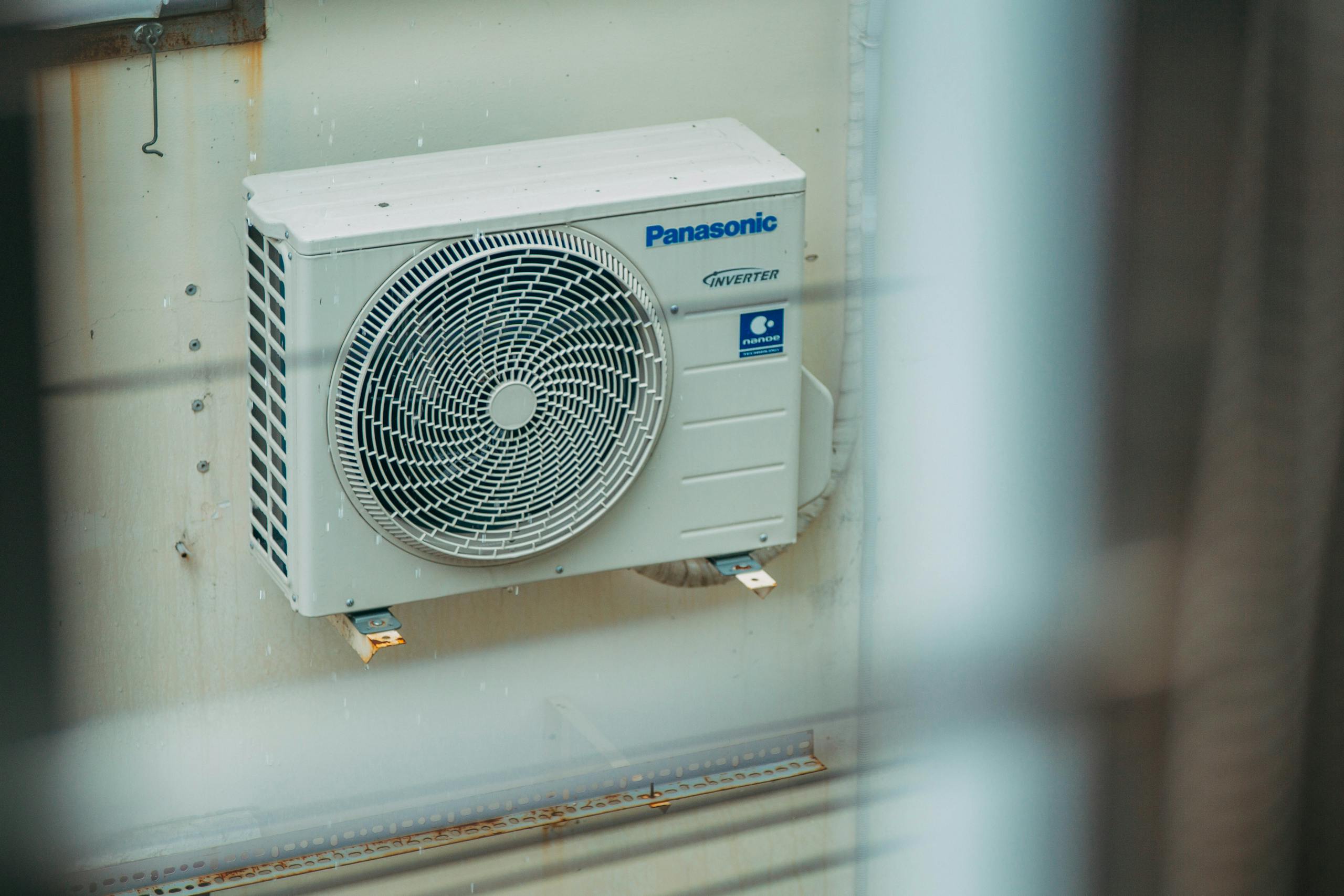
In a growing trend among renters, complaints about air conditioning units are becoming more common as tenants grapple with management’s dismissive responses. One tenant in California, who goes by the username /u/Whatthedarknessdoes on Reddit, is facing a frustrating situation with her built-in wall unit air conditioner (PTAC) that emits a powerful moldy smell. Despite her attempts to address the problem, her property management seems unwilling to acknowledge the deeper issues at play.
The tenant detailed her ordeal in a post that quickly resonated with others facing similar challenges. According to her account, the air conditioning unit has emitted a musty odor that makes it nearly impossible to use, especially during the sweltering California summers. She maintains that she regularly cleans the filters—essential maintenance that tenants are often responsible for—but the problem persists. When she reached out to her management team for help, they dismissed her concerns, insisting that it was merely a filter cleaning issue.
“I’ve done everything I can to maintain the unit,” she wrote, expressing her frustration with management’s lack of urgency. “But the coil is different from the filters, and it’s clearly not functioning properly.” The tenant’s assertion highlights a common misunderstanding regarding the maintenance responsibilities in rental agreements. While many tenants are aware that they are responsible for cleaning filters, many don’t realize that deeper issues, such as mold growth in coils, can often fall within the landlord’s purview.
Air conditioning units, especially those built into walls, can harbor moisture, creating an environment conducive to mold growth if not properly maintained. This can pose serious health risks, as mold can exacerbate allergies and trigger respiratory issues. Tenants in her situation are often caught in a cycle of frustration, grappling with the need for a healthy living environment while management often deflects responsibility.
Legal experts note that landlords generally have a duty to provide a safe and habitable living space. In many jurisdictions, this includes maintaining heating and cooling systems in good working order. If a tenant can prove that their unit has been neglected, they may have grounds to pursue further action. This could involve filing a complaint with a local housing authority or seeking legal advice regarding potential violations of health and safety codes.
In the case of the California tenant, she expressed uncertainty about her next steps. After her initial messages went unanswered, she sought advice from the online community. Many commenters rallied around her, sharing similar experiences while offering practical suggestions for addressing the issue. Some advised her to document the problem extensively, including photographs and records of her maintenance efforts, which could strengthen her case if she chose to escalate the issue.
Additionally, other tenants recommended reaching out to local tenant rights organizations that could offer support and guidance. These organizations often assist renters with understanding their rights and responsibilities while also advocating for safer living conditions. With heightened awareness around tenant issues, resources are becoming more accessible to those who feel they’re not being heard by their management teams.
While homeownership can often be a dream for many, the reality for renters can sometimes turn into a nightmare, especially when it comes to issues surrounding maintenance and repair. This California tenant’s experience echoes a growing sentiment among renters who feel their voices are being drowned out amid the bureaucratic complexities of property management.
In this era of increased awareness regarding tenant rights, the hope is that more individuals will feel empowered to speak up when managing issues that affect their quality of life. The ongoing discussion around maintenance responsibilities can serve as a reminder of the importance of open communication between tenants and landlords, especially when it comes to vital systems such as heating and air conditioning.
As more renters share their stories online, there is potential for a shift in how property management teams address tenant issues. By fostering a dialogue and acknowledging the complexities involved, there may be hope for tenants like the one from California, who simply seek a comfortable and safe place to call home.
More from Cultivated Comfort:
- 7 Vintage Home Items From the ’60s That Are Collectors’ Dream Finds
- 7 Vintage Home Goods That Became Collectors’ Gold
- 7 Fast-Food Chains That Changed for the Worse
- 7 Frozen Dinners That Were Better Back in the Day