Pulling off a truly surprise proposal gets harder by the year, with couples increasingly savvy to the usual tells: a sudden professional photo shoot booked for no clear reason, a partner acting just a little too rehearsed. One photographer found a clever way around that problem entirely, by disguising the whole thing as something else.
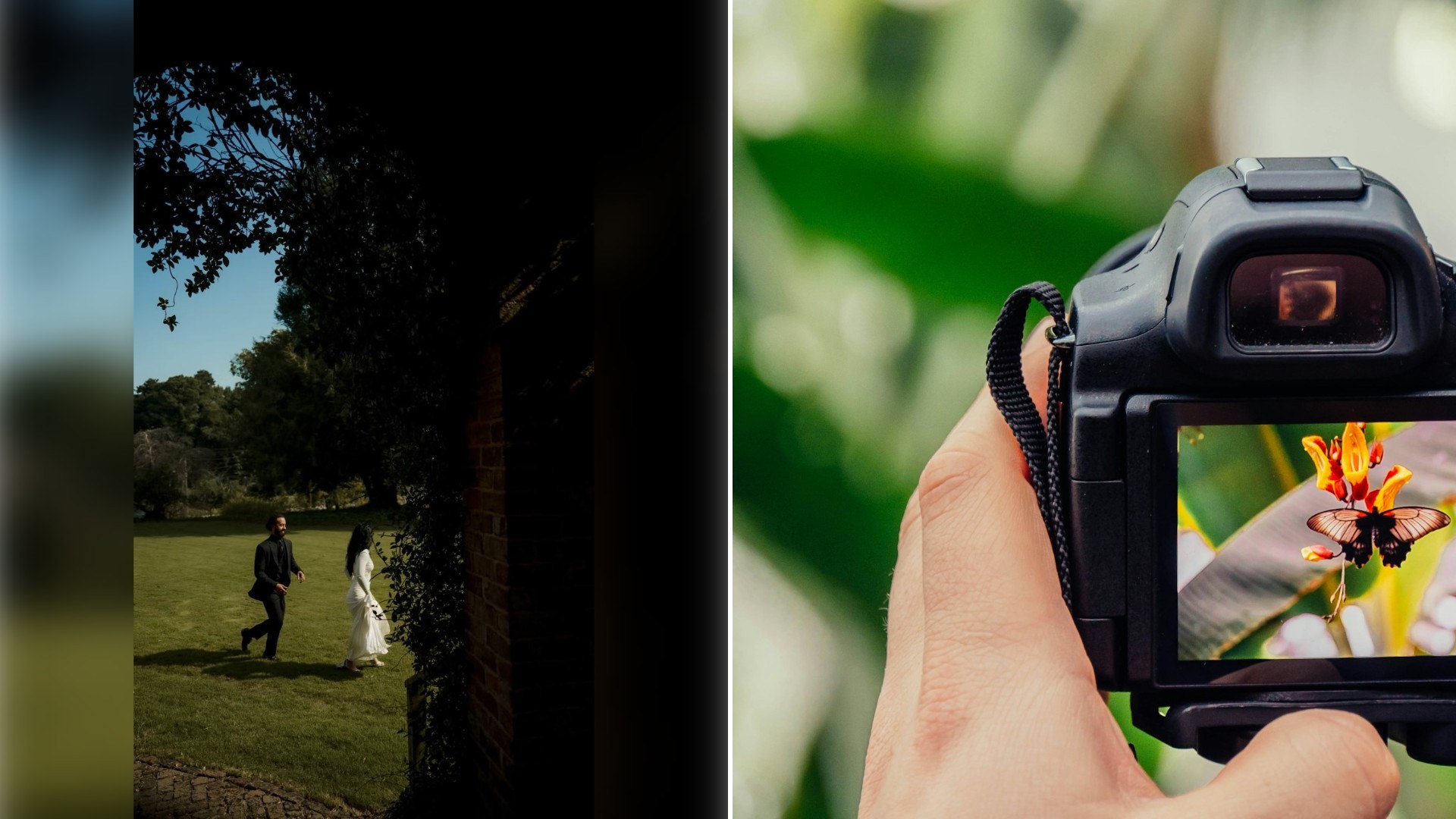
The creator, @baileygravesphoto, narrates how she orchestrated a surprise proposal by framing the entire shoot as an ordinary professional “model call” photoshoot, giving the couple no real reason to suspect anything beyond a standard styled session. She walks through the behind-the-scenes planning that went into maintaining the ruse, intercut with footage of the couple’s genuine, unguarded reaction once the truth came out and the actual proposal happened.
View this post on Instagram
The model-call framing is a smart piece of misdirection precisely because it gives both partners a plausible, low-stakes reason to show up dressed well and act somewhat self-consciously in front of a camera, the exact behaviors that might otherwise tip someone off that something bigger is planned. Instead of reading as suspicious, a little nervousness in front of the lens reads as completely normal for anyone doing an unfamiliar photoshoot.
What makes this particular ruse clever is how thoroughly it solves a problem that has plagued proposal photographers for years: the paradox of needing a professional camera present to capture the moment, while also needing the surprised partner to have absolutely no reason to expect a camera at all. Booking an obvious engagement photographer, one whose entire portfolio is proposal and wedding work, is itself a giveaway to anyone who has done even a cursory search online before the big day. A model-call shoot sidesteps that entirely, giving the photographer a completely different professional identity to hide behind, one that explains her presence, her equipment, and her direction without raising a single red flag.
There is also a layer of performance required from the partner who is in on the plan, and it is worth appreciating how much harder that role is than it looks. He, presumably, had to behave as though this really were an ordinary photoshoot, coordinating outfits, showing up on time, going through the motions of posed shots, all while carrying the knowledge of what was actually about to happen and giving away nothing. Actors spend months training for the kind of sustained, convincing performance that an average person pulls off here in the span of a single afternoon, purely out of love and a desire not to ruin the surprise.
Proposal photographers increasingly talk about this kind of disguised-shoot strategy as one of the more reliable ways to preserve an authentic reaction on camera, especially for couples who have been together long enough that one partner might otherwise pick up on subtle behavioral changes in the other. By giving both people an external reason to be there that has nothing to do with an engagement, the photographer removes the one variable, suspicion, that tends to ruin surprises before they happen. As proposal videos have proliferated online and audiences have become more sophisticated about spotting a staged setup, photographers who specialize in this kind of work have had to get correspondingly more creative, dreaming up cover stories elaborate enough to survive scrutiny from a partner who has, by now, probably watched dozens of similar proposal reveals themselves.
That arms race between increasingly savvy partners and increasingly inventive photographers says something about how much the proposal-video genre has evolved as a format. Early viral proposal videos relied on the simple fact that surprise proposals were still a novelty online; audiences hadn’t yet developed a trained eye for the telltale signs of a planned shoot. Years into the genre’s popularity, both the people being proposed to and the people watching at home have absorbed enough of the common patterns that a straightforward staged shoot no longer guarantees genuine surprise. A disguised model call represents the next logical evolution, borrowing a completely unrelated professional context to buy back the element of surprise that the genre itself has slowly eroded.
It’s also worth considering the experience from the unsuspecting partner’s side, since her reaction is ultimately the payoff the whole video is built around. Walking into what she believes is a routine casting shoot means her guard is fully down in a way it simply wouldn’t be if she suspected an engagement was even remotely possible that day. That lowered guard is precisely why the reaction, once the ruse falls away and the real moment reveals itself, reads as so unfiltered. There is no performance for the camera because, as far as she knew walking in, there was no reason to perform anything beyond posing for a few professional shots. The gap between what she thought was happening and what was actually happening is the entire engine driving the emotional payoff once the truth lands.
Videos built around an elaborate cover story like this one also tend to generate a specific kind of engagement in the comments, with viewers picking apart exactly how the ruse was constructed and admiring the planning as much as the proposal itself. A straightforward proposal video asks viewers to react to a single moment. A video that first reveals the scaffolding behind the surprise, the fake premise, the careful choreography, the risk of the whole thing falling apart, asks viewers to appreciate the craft of the deception as a story in its own right, one that happens to culminate in an engagement rather than simply starting with one.
The proof, as always in these videos, is in the reaction. A ruse this well executed doesn’t just fool one partner, it has to fool both long enough for the real moment to land with full force, and based on the footage shared here, this one held up until exactly the right second, a small testament to just how much planning, patience, and straight-faced acting it can take to deliver a moment that, on camera, looks like it happened with no planning at all.