In a peculiar and unsettling tale from a young renter, tensions have escalated between a new group of tenants and their neighbors over seemingly trivial matters. A couple, along with their two friends, moved into a rented house six months ago and have since found themselves living in a state of increasing anxiety. What started as a minor noise complaint has transformed into an alarming confrontation that has left all parties involved feeling frustrated and misunderstood.

When the couple and their friends first moved in, they were approached by the neighbors who expressed concerns about noise, citing that they had young children. The newcomers apologized, unaware of their neighbors’ family situation. They made efforts to keep the noise down, believing that amicable relations could be established. However, as time passed, it became clear that the neighbors were not content with the young renters’ lifestyle, particularly regarding their car usage.
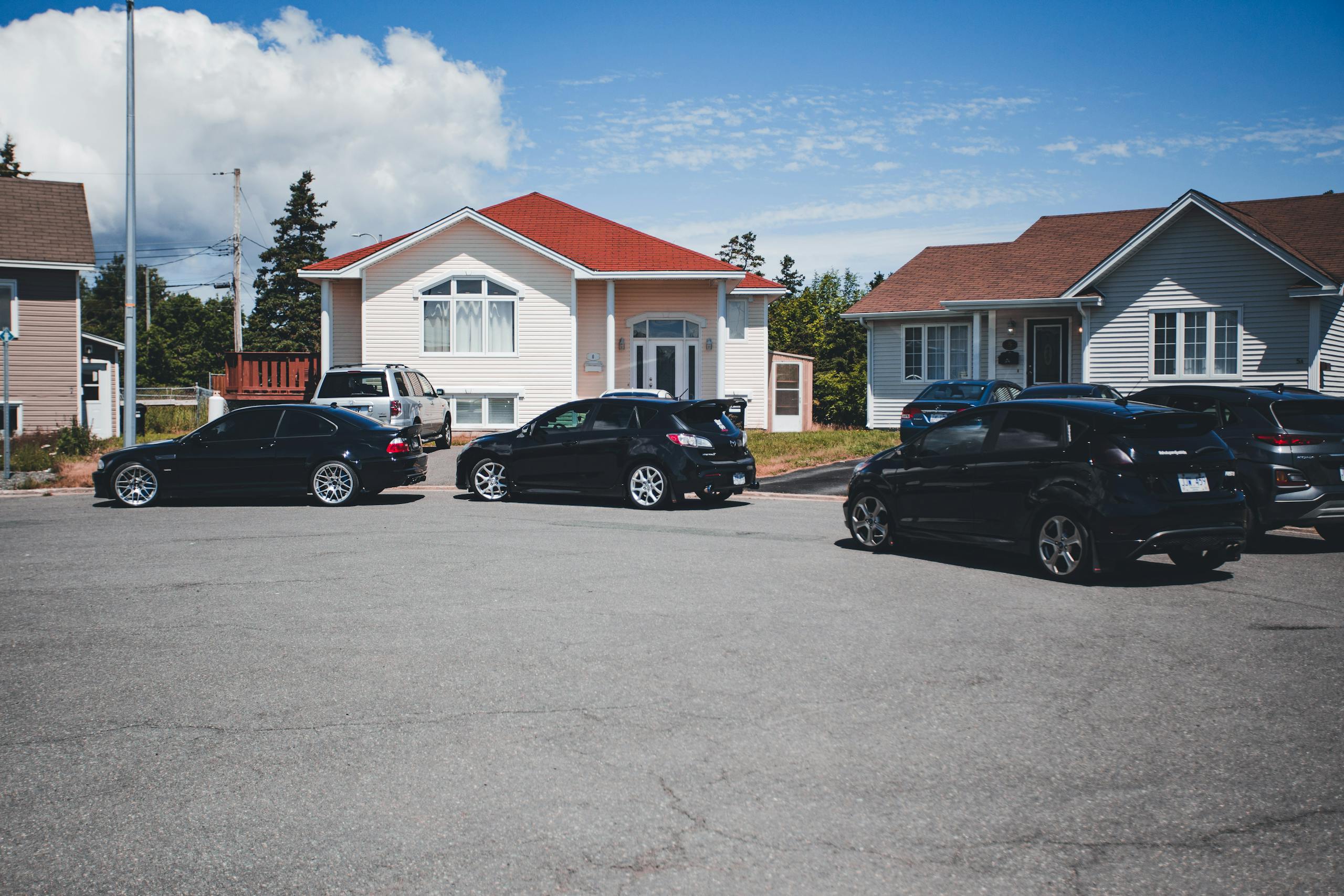
The crux of the issue revolves around parking and vehicle movement. The renters share a single parking spot, which leads to frequent shuffling of cars to accommodate each other’s varying work schedules. This arrangement seemed to work initially, but the neighbors soon became increasingly critical of the times the renters would come and go, even accusing them of being inconsiderate for coming home late at night. Recently, an incident occurred that would ignite a full-blown confrontation.
After a brief trip to the supermarket, the renters returned home only to be met by furious neighbors outside their home. Shouting ensued as they accused the renters of “taking the p*ss” with their car schedules. The noise from the vehicles became a focal point of their complaints, igniting a heated exchange. The neighbors even threatened to block the renters in their driveway, hinting at a level of hostility that left the young adults feeling cornered and intimidated.
As tensions boiled over, it became apparent that the neighbors believed they had the right to dictate the renters’ movements. Complaints regarding the noise made by car doors slamming and the timing of their outings were brought up, despite the renters’ attempts to explain their differing work shifts. The situation escalated to the point where one neighbor claimed to have recorded footage of a renter simply sitting in his car, further underscoring her obsession with their daily routines.
This invasive scrutiny over seemingly mundane activities drew a line in the sand. The young renters felt increasingly victimized, as they had done their best to comply with the neighbors’ initial requests but found themselves facing unreasonable demands. The escalating conflict soon led the renters to seek clarification from their estate agent, as they were taken aback to learn that the neighbors had previously lodged complaints about them without any prior discussion.
In the aftermath of the confrontation, the renters recounted the event to their housemates, who were bewildered by the sudden shift in the neighbors’ demeanor, having had friendly exchanges just days prior. This contradiction left the young renters questioning the motivations of their neighbors. Were the complaints truly about noise, or was there an underlying issue related to age and assumptions about their behavior?
As they navigate this complicated relationship with their neighbors, the young renters are left contemplating their next steps. They recognize that the situation may not improve without clear communication but are wary of further confrontation. The experience shows the delicate balance that must be maintained in communal living situations, where conflicts can arise from a mix of personal habits, misunderstandings, and, at times, oversensitivity.
The story serves as a reminder of the complexities of neighborly relationships in shared living environments. Despite the challenges they face, the renters remain determined to maintain their peace and establish a respectful dialogue moving forward. As they begin to address the complaints with their estate agents, they hope for a resolution that allows them to live comfortably without the threat of hostility from those they share their space with.
More from Cultivated Comfort:
- 7 Vintage Home Items From the ’60s That Are Collectors’ Dream Finds
- 7 Vintage Home Goods That Became Collectors’ Gold
- 7 Fast-Food Chains That Changed for the Worse
- 7 Frozen Dinners That Were Better Back in the Day