In a modern apartment complex, neighbors often strive for harmony, with many interactions centered around shared spaces and mutual respect. However, for one tenant, a new neighbor’s deeply homophobic behavior has turned what should be a peaceful living situation into a nightmare. What began as a friendly exchange quickly escalated into months of harassment, leaving the tenant feeling unsafe and forced to document shocking incidents of aggression.
Initially, the relationship between the tenant and their neighbor appeared amicable. They exchanged phone numbers and discussed the neighbor’s two dogs, promising to communicate if barking became an issue. However, the neighbor’s loud habits soon caused friction, with phone calls and conversations spilling into the hallway and intruding on the tenant’s privacy. After attempts to address the disturbances were met with dismissive attitudes, the tenant felt it necessary to involve the apartment management.
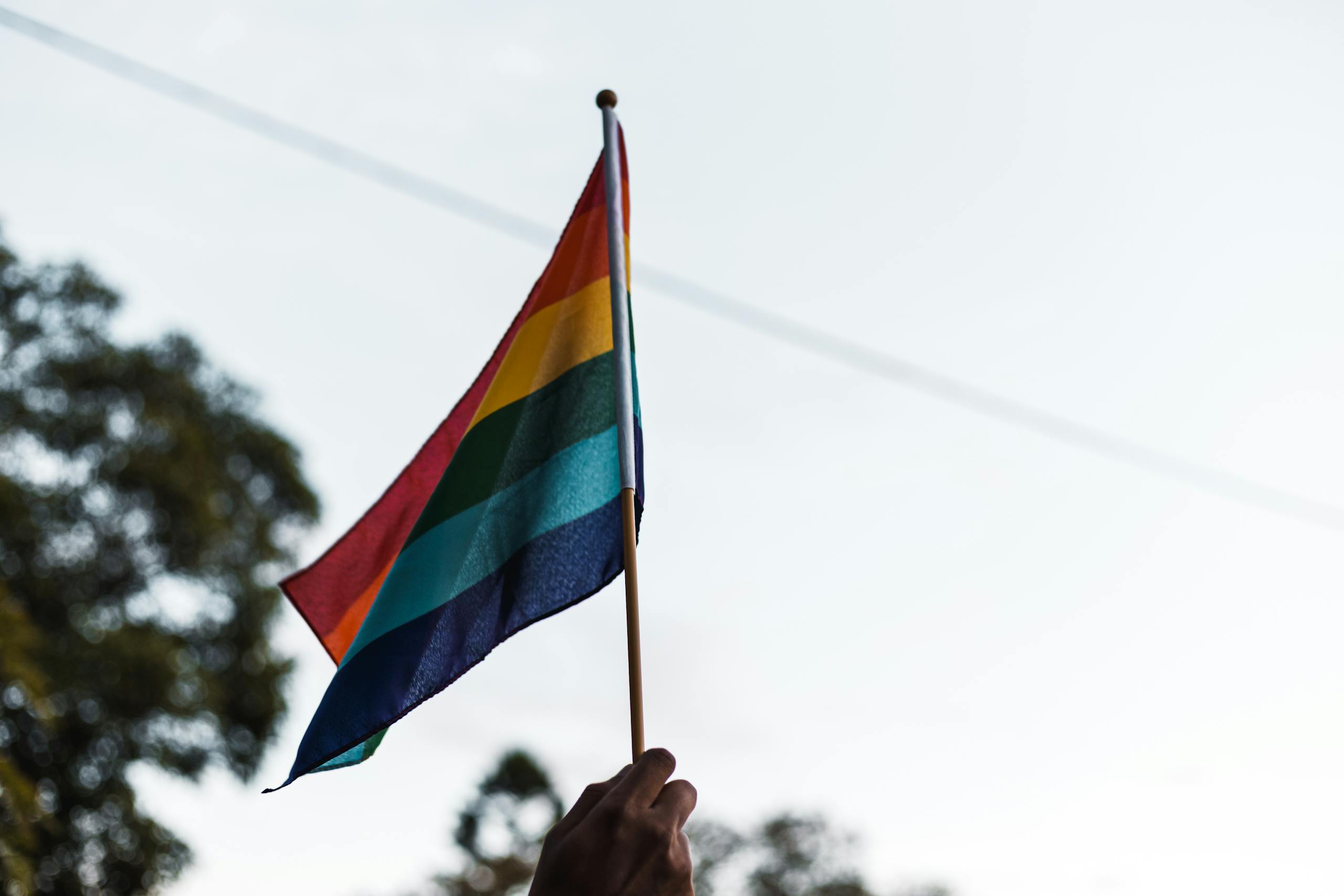
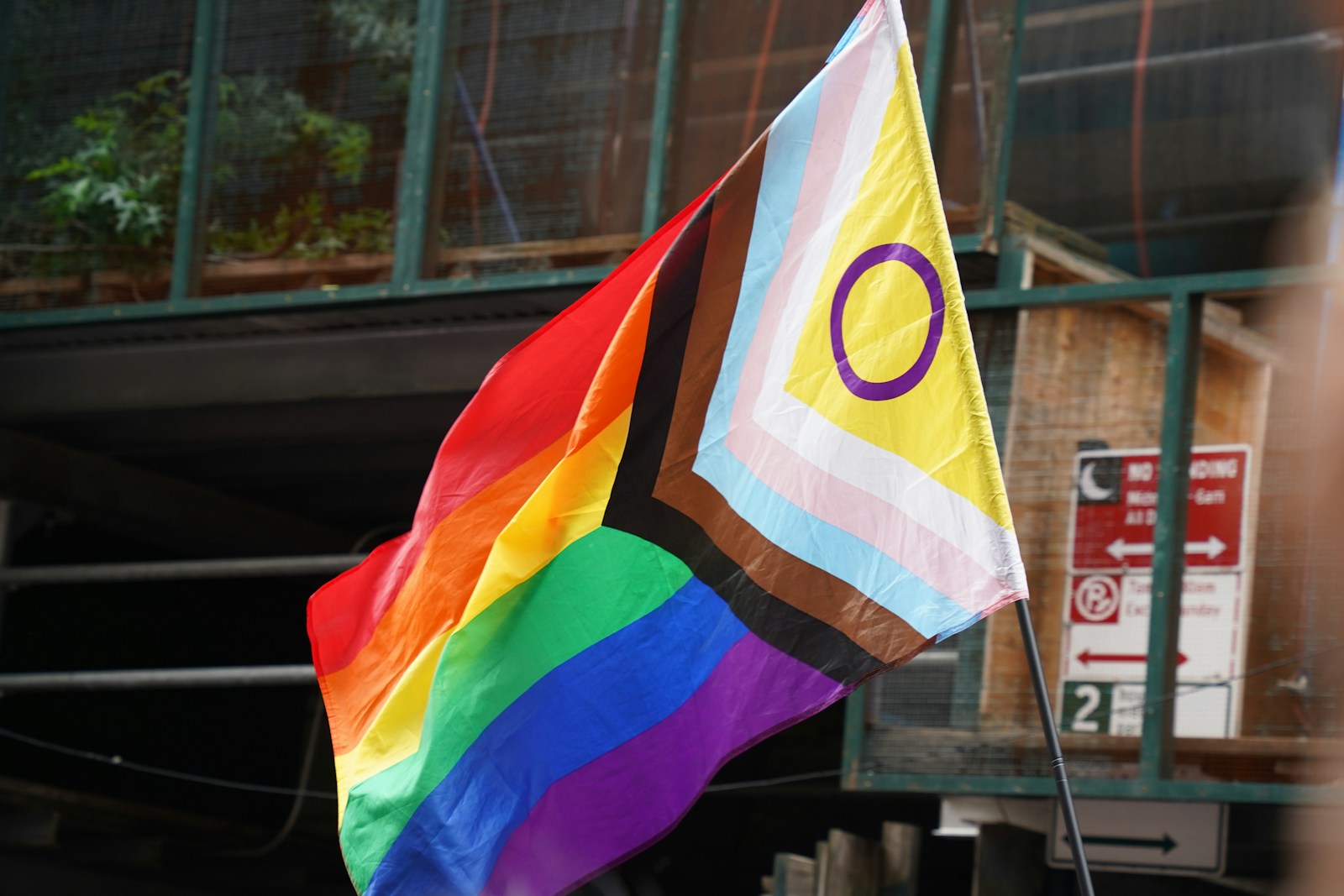
Despite repeated complaints, the disturbing behavior only intensified. A seemingly innocent act—a small bi-pride flag placed outside the tenant’s door—triggered a vicious outburst from the neighbor. “And of course, they have a fag flag!” they yelled, marking a turning point in the already hostile environment. This kind of derogatory language and intimidation became a regular feature of the tenant’s daily life, contributing to a growing sense of dread.
The situation worsened when the neighbor slammed the front door in a fit of rage, leading to a confrontation that left the tenant feeling both violated and vulnerable. Following the incident, management’s response was perplexingly cold, prioritizing the neighbor’s claims and dismissing the tenant’s distress. The imbalance of power in this scenario was glaringly evident; the tenant was left feeling powerless against the hostility perpetuated by their neighbor.
Equipped with recordings of the harassment, the tenant faced an unsettling reality—capturing footage had become a necessary evil to ensure their safety. Yet, this surveillance did little to quell the neighbor’s intimidation tactics. They would often stop at the tenant’s window, glaring in as if to instill fear. As the months dragged on, this harassment took a toll on the tenant’s mental and physical health, resulting in weight loss and heightened anxiety.
In a bid for resolution, the apartment management suggested that the tenant move to another unit to avoid further conflict with the neighbor. The logic behind this proposal was baffling; why should the victim of harassment be the one to uproot their life? The tenant’s decision to stand their ground against the bigotry was admirable, but the continuous tension has made their living situation intolerable.
The tenant eloquently expressed their frustration at the lack of support from management, stating that they felt as though they were being pushed out of their own home. They highlight the absurdity of dealing with a retaliatory neighbor while simultaneously facing the prospect of relocation simply to appease someone who harbors such hateful views. The absence of a viable path forward has left the tenant feeling disillusioned and alone in their fight.
Compounding the isolation is the anxiety that comes from the fear of encountering the neighbor again after relocating. The tenant has already gone through one difficult experience with an aggressive neighbor; having to face that situation once more is an unwelcome prospect. The tenant confessed to feeling a sense of foreboding every time they step outside, knowing that their harasser may be lurking nearby.
The heart-wrenching details of this tenant’s experience underscore a troubling reality many face in everyday life. Instead of being a sanctuary, their home has become a battleground for hostility and fear. This struggle for peace and safety mirrors the experiences of countless individuals who encounter discrimination in their own living spaces.
As the story continues to unfold, the tenant’s resolve to stand up for themselves serves as a poignant reminder of the challenges faced by marginalized groups. Their ordeal is an urgent call for change within housing policies and a greater emphasis on the need for safe living environments free from harassment and discrimination.
As this story is shared, it highlights more than just the issues of neighborly disputes; it calls attention to the broader implications of living in a society that should uphold values of respect and inclusivity for all.
More from Cultivated Comfort:
- 7 Vintage Home Items From the ’60s That Are Collectors’ Dream Finds
- 7 Vintage Home Goods That Became Collectors’ Gold
- 7 Fast-Food Chains That Changed for the Worse
- 7 Frozen Dinners That Were Better Back in the Day