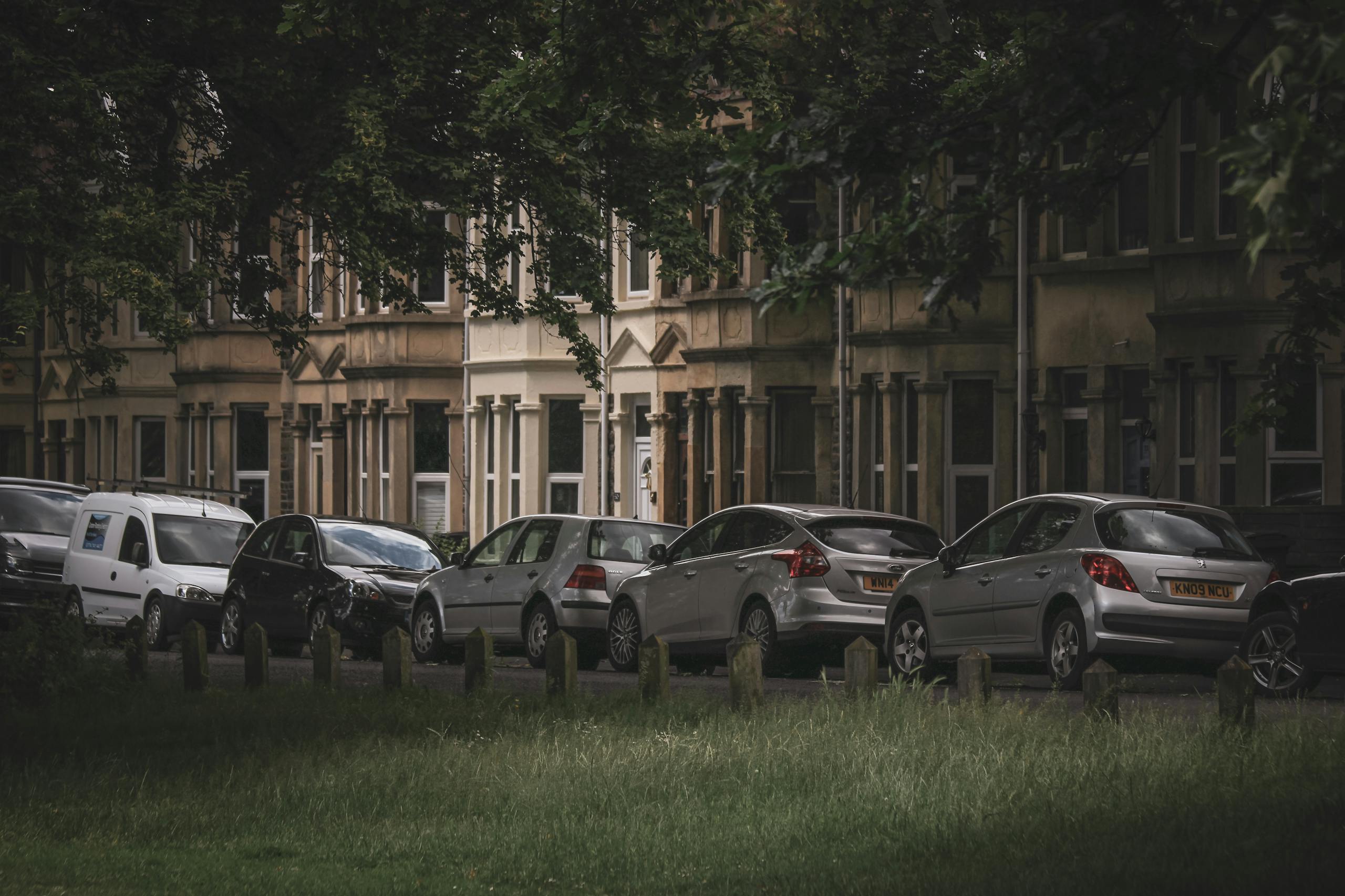
A recent dispute has surfaced in a suburban neighborhood—one that seems to highlight the friction that can arise over seemingly mundane issues like parking. A resident shared concerns about a neighbor’s parking habits on Reddit, claiming they have made a narrow street not only inconvenient but potentially hazardous for buses and emergency vehicles.
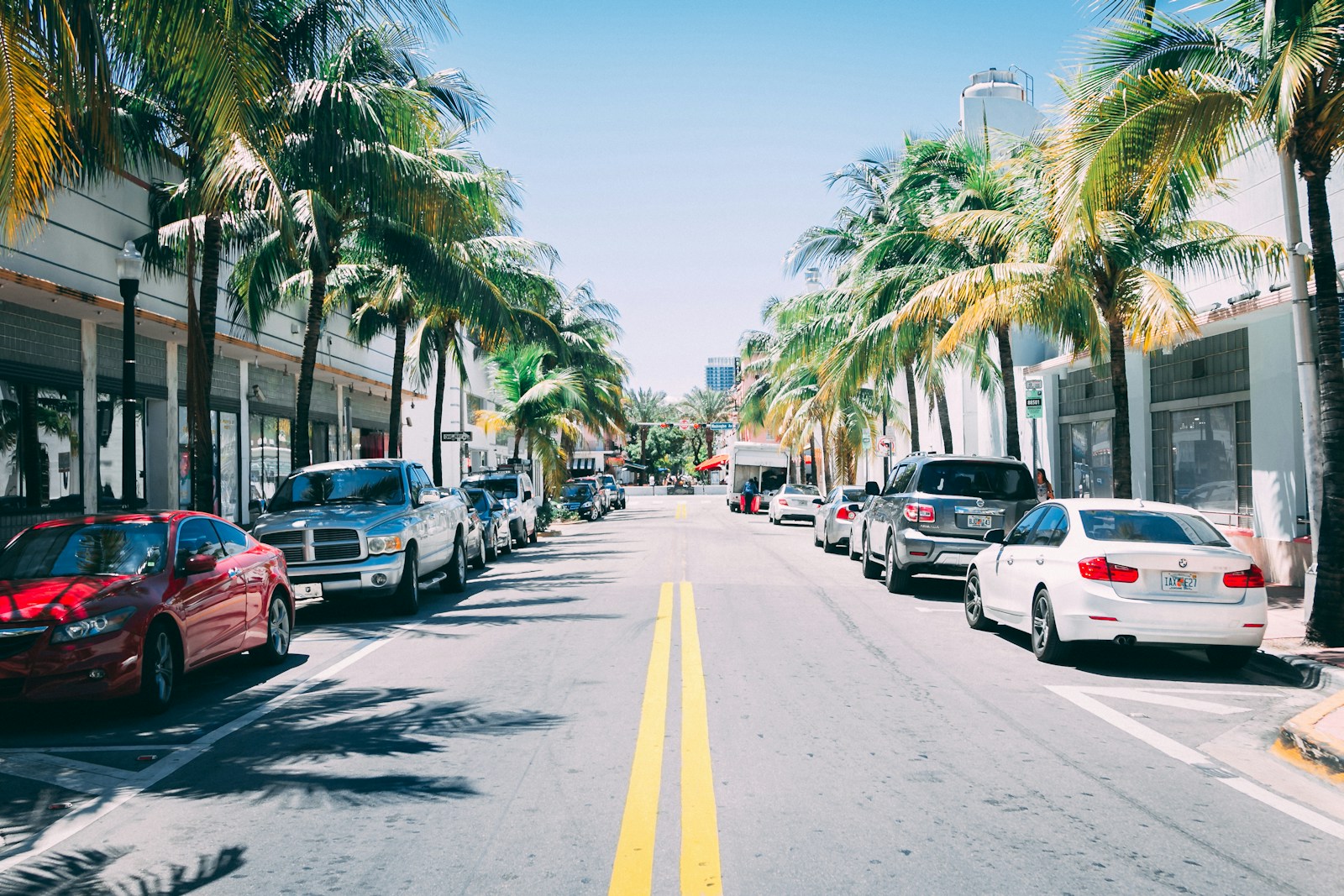
The post describes a neighborhood characterized by its picturesque, cookie-cutter homes and a generally well-maintained environment. However, the atmosphere has been disrupted by parking practices that have created significant challenges for residents attempting to navigate the area. The issue stems from two neighbors living across the street from one another. One household has a trailer parked in front of their property, while the other frequently parks multiple cars on the street. This addition of vehicles on an already narrow street, especially in front of a speed bump, has raised concerns about accessibility.
According to the original poster, traffic conditions in the neighborhood have worsened in recent months due to construction and utility work. These factors have exacerbated the difficulties residents face when maneuvering through tight spaces, particularly when buses and larger vehicles are involved. While the poster claims they have had little difficulty with their own vehicles navigating the street, they acknowledge that large vehicles struggle and that the situation is becoming untenable.
The heart of the matter seems to rest on the intentions behind the parking habits. The individual parking multiple cars in front of their home is said to be doing so in a manner that might be intended to slow down traffic. This has sparked outrage among neighbors who argue that such actions are inconsiderate, especially in light of recent emergency situations in the area, including house fires and medical emergencies. The poster emphasizes that each moment counts during such crises and that the potential for delays caused by obstructive parking can have serious repercussions.
The community’s response, as indicated by the subsequent comments on the Facebook thread, has been mixed but predominantly critical of the parking practices. Neighbors have expressed frustration and concern that the selfishness exhibited by one household could endanger everyone else. Additionally, the poster mentions that there are ample options for parking that do not impede the vital flow of traffic, including driveway space and even yard offerings from other neighbors.
Interestingly, the neighborhood Facebook group brings its own complexities into play. Strict moderation rules limit the types of comments residents can post, which can stifle open dialogue on pressing matters such as this. The poster’s attempts at humor regarding the parking situation were quickly removed, suggesting that the tone of communication in the online forum is serious and perhaps overly conservative. This raises an important question about how communities engage with each other during conflicts—should humor be permitted to lighten the mood, or does it undermine the gravity of the concerns being raised?
While the poster doesn’t position themselves as directly involved in the drama, they do convey a sense of shared frustration that resonates with many homeowners facing similar issues. Parking in residential areas poses a challenge across many neighborhoods; when it threatens safety and accessibility, the stakes become much higher. The sense of community is built on mutual respect, and actions that compromise the well-being of neighbors can lead to resentment and division.
As the debate unfolds, residents are left to ponder how best to address the issue without escalating tensions further. Collective solutions that prioritize community safety, such as exploring alternative parking options or even engaging local authorities for assistance, could foster more amicable relations among neighbors. However, the question remains: will the stubborn attitudes surrounding parking practices take precedence over the needs of the wider community?
In a world where convenience often clashes with common good, this ongoing saga serves as a microcosm of broader societal interactions. As neighbors navigate this issue, the hope is that they can find a resolution that supports the well-being of everyone in the neighborhood.
More from Cultivated Comfort:
- 7 Vintage Home Items From the ’60s That Are Collectors’ Dream Finds
- 7 Vintage Home Goods That Became Collectors’ Gold
- 7 Fast-Food Chains That Changed for the Worse
- 7 Frozen Dinners That Were Better Back in the Day