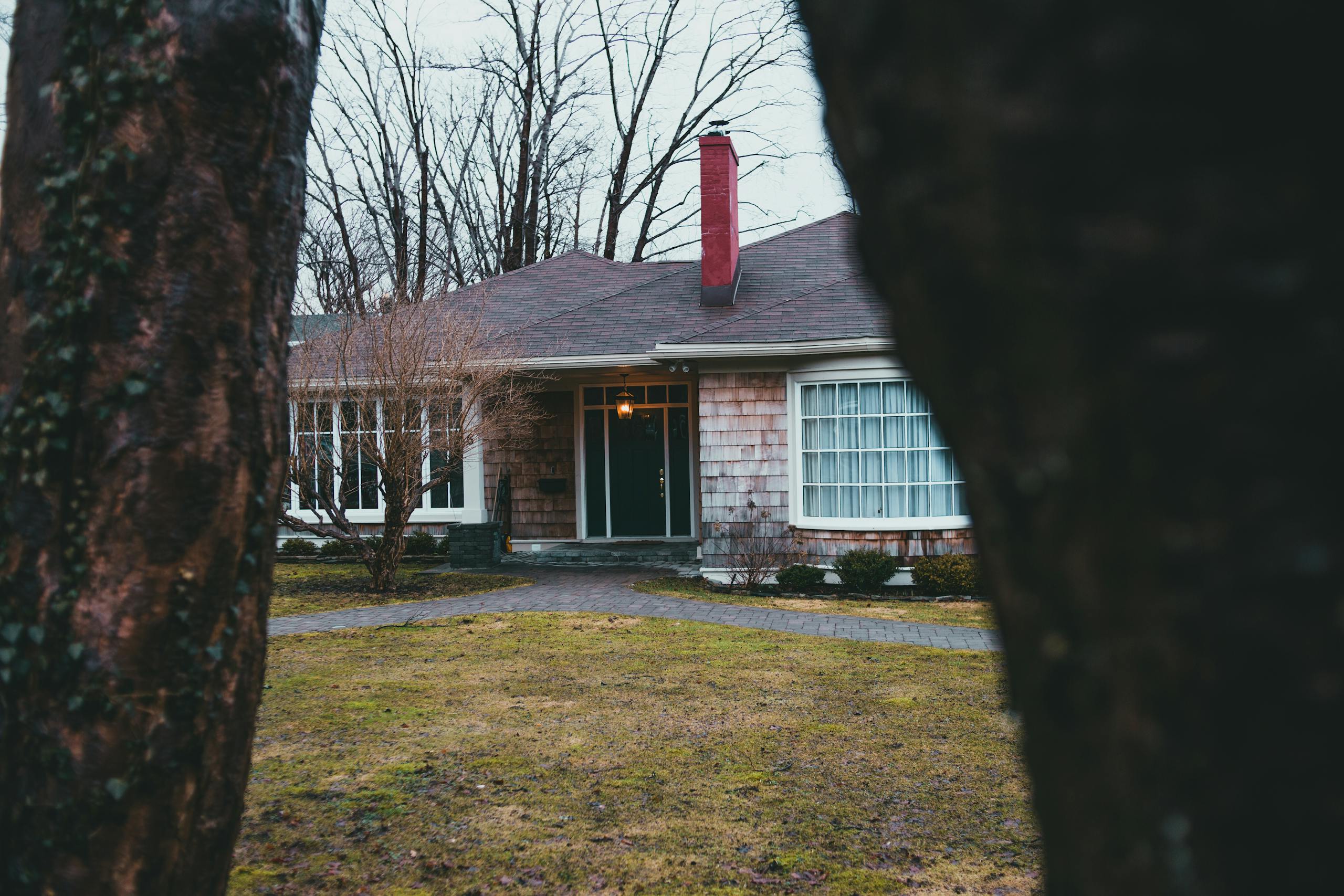
In a surprising and distressing turn of events, a West Virginia tenant has taken to social media to share her unsettling experience with her landlord regarding a dead animal that has made its home in her chimney. The issue, which has escalated into a full-blown nightmare, has left her questioning her rights as a tenant and the responsibilities of her landlord.

The resident, who has chosen to remain anonymous, initially reported a strange problem in her home: maggots began to appear out of the cracks of her unused fireplace. The situation quickly went from bizarre to horrifying when she discovered that a dead animal was stuck inside the chimney, causing not only an unsightly infestation but also a foul smell that permeated her living room.
“I keep my fireplace covered because it’s unusable. When I noticed maggots crawling out, I thought it was a bad dream,” she explained in her Reddit post. After making a maintenance request, she learned from the staff that they could not access the chimney to remove the decaying creature. Instead, they suggested simply putting a cap on the outside and letting the animal “rot away.” The landlord’s response was less than satisfactory, leaving her with a significant problem to deal with on her own.
The tenant’s frustrations highlight a common issue many renters face: the struggle of dealing with unresponsive landlords. The prospect of having to live with a decomposing animal in the chimney is understandably troubling. The maggots, which continue to appear even after attempts to clean them up, add another layer of distress to her living situation. With her home now smelling of decay, it’s clear the issue has gone beyond mere inconvenience—it’s impacting her quality of life.
Such situations raise important questions about tenant rights and landlord responsibilities. Many tenants may not be aware of the laws that protect them in situations like this. When it comes to maintaining a safe and habitable living environment, landlords typically have a legal obligation to handle pest infestations and other issues promptly. Leaving an animal to rot in a tenant’s home would likely be considered neglectful and could potentially violate health and safety codes.
In West Virginia, like in many other states, tenants have rights that protect them from living in unsanitary conditions. If a landlord fails to address a problem that affects the livability of a rental property, tenants may have legal recourse. Options might include contacting local health departments, filing complaints with housing authorities, or even seeking legal advice. Understanding these rights can empower tenants to advocate for themselves when faced with unresponsive landlords.
As this particular case unfolds, it serves as a reminder of the importance of open communication between tenants and landlords. Reports of neglect can have serious consequences, and it’s essential for both parties to engage in a constructive dialogue regarding maintenance issues. While the tenant’s current situation is undoubtedly distressing, addressing communication barriers and enforcing accountability can lead to better living conditions for renters.
For those who’ve found themselves in similar situations, documenting communications with landlords and maintenance staff can be vital. Keeping a record of complaints, responses, and any actions taken can support a tenant’s case should they need to escalate the issue. Whether it’s through local housing boards, legal representation, or public health agencies, tenants have resources at their disposal to tackle such challenges.
As the West Virginia tenant navigates this troubling occurrence, her story resonates with many renters who have faced their own battles with maintenance issues. The hope is that, with enough attention and pressure, landlords will be encouraged to take the concerns of their tenants seriously, ensuring that no one has to deal with the nightmare of rotting animals in their home.
In the meantime, the online community awaits updates on her situation, offering support and sharing similar experiences, proving that even in the face of adversity, there is comfort in knowing one is not alone.
More from Cultivated Comfort:
- 7 Vintage Home Items From the ’60s That Are Collectors’ Dream Finds
- 7 Vintage Home Goods That Became Collectors’ Gold
- 7 Fast-Food Chains That Changed for the Worse
- 7 Frozen Dinners That Were Better Back in the Day