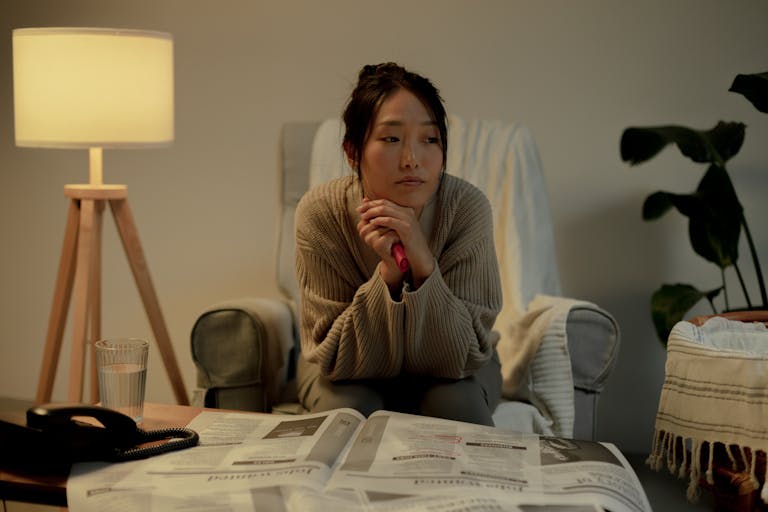
A woman found herself in a tough situation with her sister, who seemed to be making a series of questionable life choices that had serious implications for her 10-year-old daughter. The story unfolds around the dynamics of responsibility, family loyalty, and the challenges of single motherhood.

The protagonist, who we’ll call Lisa, has been helping raise her niece, Emily, since the girl was just three years old. Lisa’s sister, Sarah, has had a tumultuous life, navigating a painful divorce and a string of unhealthy relationships. Lisa and her husband stepped in more than once to care for Emily while Sarah chose to party and chase after fleeting romances. Financial support from their father has always been available to Sarah, ensuring she never lacked a roof over her head. However, this came with the expectation of a little responsibility in return, which Sarah was increasingly reluctant to acknowledge.
Over the past few years, the dynamic between the sisters shifted. Lisa, who had already been a primary caregiver to Emily, found herself picking the young girl up from school every day, often hosting her during the week and on weekends. This arrangement, while rooted in love, left Lisa feeling somewhat taken for granted. Sarah’s choices only added to Lisa’s frustration when she started dating a man with a checkered past—a convicted felon who didn’t seem to appreciate the family’s efforts to help support Emily.
The situation reached a boiling point when Sarah announced that she was moving in with her new partner, believing she could make their blended family work, despite the fact that Emily often felt like an afterthought. Lisa was concerned, especially since Emily was expressing her feelings of neglect and sadness. Each day, the little girl cried in the car about how her mother was more focused on her new partner and his children than on her own daughter.
When Sarah called Lisa to share her moving plans, Lisa’s response came from a place of frustration. She warned her sister not to expect help when things inevitably went south. Sarah was quick to become defensive, cutting off communication and even punishing Emily by withdrawing her from singing lessons and choir, activities Lisa and her husband had funded and that brought Emily immense joy.
Lisa found herself at a crossroads, grappling with two opposing feelings. On one hand, she felt the need to set boundaries with her sister. On the other, she was terrified of what would happen to Emily if she distanced herself too much. Her father and brother both advised her to step back and stop allowing Sarah to manipulate the situation, but the thought of leaving her niece without support was unbearable for Lisa.
The situation continued to fester, leaving Lisa questioning her actions. Was it wrong to stand up for herself, to express her concerns about her sister’s choices? Or should she have kept quiet, suppressing her worries for the sake of familial peace? She wrestled with feelings of anger towards Sarah for her irresponsible behavior and guilt for potentially putting Emily in a difficult position. It was a classic family dilemma, one that many can relate to: the desire to help a loved one versus the need to protect oneself and, more importantly, the innocent party involved.
As time went on, Lisa recognized that there were no easy answers. Her priority remained Emily, who was caught in the crossfire of her mother’s tumultuous decisions. The love she had for her niece made it painful to watch as her sister continued to spiral, seemingly oblivious to the emotional toll it was taking on Emily. Lisa was left to ponder if she had truly overstepped or if her warning had been a necessary wake-up call for Sarah, even if it caused a rift between them.
In the end, Lisa knew one thing for sure: stepping away from the situation wasn’t an option. The bonds of family, even when frayed, carry the weight of responsibility, and her love for Emily would always compel her to advocate for the child’s well-being, no matter how complicated the circumstances became.
More from Cultivated Comfort:
- 7 Vintage Home Items From the ’60s That Are Collectors’ Dream Finds
- 7 Vintage Home Goods That Became Collectors’ Gold
- 7 Fast-Food Chains That Changed for the Worse
- 7 Frozen Dinners That Were Better Back in the Day