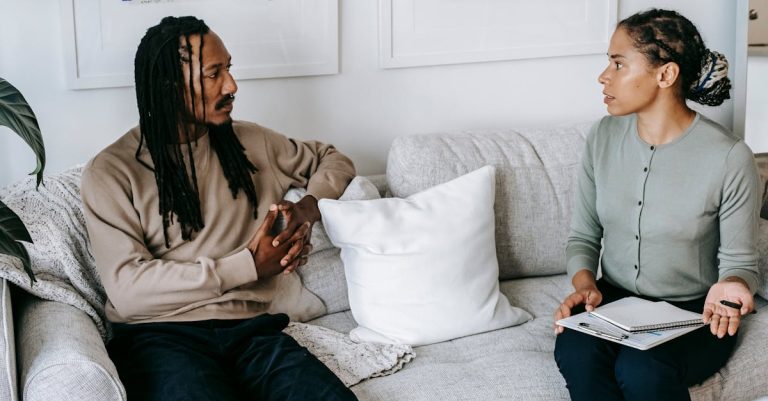
In today’s digital age, family dynamics often play out in the most unexpected ways, especially when it comes to the generational gap between boomers and younger millennials. A recent post on Reddit by a user named u/Feisty-Pie477 sheds light on a recurring conflict between her and her mother that many can relate to. The tension between choosing a life abroad versus returning home isn’t just a matter of preference; it encompasses financial stability, quality of life, and differing perspectives shaped by the eras they grew up in.

Feisty-Pie477, a younger millennial from the U.S., is currently working as a teacher at an international school in Asia. She’s been contemplating a move to China, lured by the promise of significantly higher salaries in her field which would enable her to save money and start a family. However, this plan doesn’t sit well with her boomer mother, who repeatedly urges her to come back to the States.
The mother’s plea, “Why don’t you come home?” has become a familiar refrain in their conversations. Yet for Feisty-Pie477, moving back isn’t just a simple decision. She tries to explain to her mother that relocating would mean a significant drop in income and an increase in financial strain. She feels that staying abroad is not only a more lucrative choice but also a safer one, allowing her to raise a family without the constant worry of financial instability or exposure to violence in American schools.
Whenever Feisty-Pie477 attempts to reason with her mother, the discussion often shifts to how her mother managed to raise her without help from her own father. This narrative seems to come straight out of a classic boomer playbook—the tale of hardship and self-sufficiency. It rubs Feisty-Pie477 the wrong way. She recalls her mother saying, “I did it all when you were a kid,” which only serves to frustrate her further. After all, her childhood wasn’t filled with financial struggles; they were stable, and her mother had support of sorts even if it wasn’t from her father.
Feisty-Pie477’s objection is clear: if her mother faced challenges, why would she wish the same for her own children? “So you ‘suffered’ but don’t want better for your kids?” she thinks. This is the crux of the issue—the generational disconnect where her mother seems to romanticize struggle, equating it to character building, while Feisty-Pie477 is trying to escape that narrative for a better future.
The irony of the situation isn’t lost on her. In her mind, if her mother had it hard, shouldn’t she be happy that her daughter is making choices that lead to a more secure, prosperous life? Instead, her mother’s perspective feels rooted in a self-centered desire for her own convenience—to have her daughter and future grandchildren close by. The fact that her mother won’t consider the logistics and costs of flying to visit leaves Feisty-Pie477 feeling exasperated.
The ongoing dialogue is a stark reminder of how different life was when her mother was navigating her own path. Back when her mother was raising children, the economic landscape was vastly different. College was affordable, job security was more prevalent, and the cost of living was lower. The notion of “struggling” has morphed into something else entirely for millennials facing crushing student debt and a gig economy that often leaves them in precarious positions.
For Feisty-Pie477, this clash isn’t just about economics; it reflects a deeper issue of understanding and empathy across generations. How do you convince someone who has lived through their own set of challenges to recognize the changing world and its impact on the younger generation? The frustration is palpable; “Shouldn’t you want better for your children?” Feisty-Pie477 wonders if there will ever be a resolution to these repeated arguments, as she continues to advocate for her choices while battling the expectations of her mother.
In the end, the story of u/Feisty-Pie477 and her boomer mother is a poignant reflection of the broader struggles many young adults face today. It highlights the challenges of reconciling parental expectations with the harsh realities of modern life. As families navigate these often-turbulent conversations, it’s clear that the desire for connection and understanding can sometimes be overshadowed by differing perspectives on what it means to live a good life.
More from Cultivated Comfort:
- 7 Vintage Home Items From the ’60s That Are Collectors’ Dream Finds
- 7 Vintage Home Goods That Became Collectors’ Gold
- 7 Fast-Food Chains That Changed for the Worse
- 7 Frozen Dinners That Were Better Back in the Day

As a mom of three busy boys, I know how chaotic life can get — but I’ve learned that it’s possible to create a beautiful, cozy home even with kids running around. That’s why I started Cultivated Comfort — to share practical tips, simple systems, and a little encouragement for parents like me who want to make their home feel warm, inviting, and effortlessly stylish. Whether it’s managing toy chaos, streamlining everyday routines, or finding little moments of calm, I’m here to help you simplify your space and create a sense of comfort.
But home is just part of the story. I’m also passionate about seeing the world and creating beautiful meals to share with the people I love. Through Cultivated Comfort, I share my journey of balancing motherhood with building a home that feels rich and peaceful — and finding joy in exploring new places and flavors along the way.