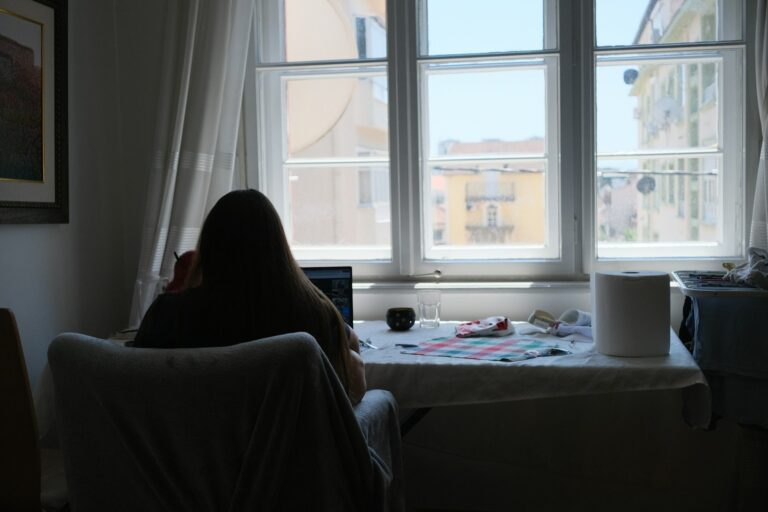
Today marked a significant milestone in the lives of a couple, a 16th anniversary that was meant to be celebrated. However, what started as a day of reflection and joy quickly turned into a catalyst for conflict, revealing deeper issues lurking beneath the surface. The conflict, as it unfolded, encapsulated the complexities of their relationship, shaped by their differing sleep schedules.

The wife, a 40-year-old artist with a passion for late-night creativity, found herself yearning for some quality time with her husband, a 44-year-old corporate employee whose life revolved around an early morning routine. As the day approached, she made a seemingly simple request: could they set aside some time together after their children had gone to bed on Friday? Little did she know, this request would spark a significant disagreement, unraveling the anniversary vibe they had so hoped for.
In many ways, their differing schedules had allowed their household to function efficiently. With one parent awake at night and the other during the early hours, there was always someone on duty, attending to the kids and pets. It might have worked for the logistics of parenting, but it had left their relationship hanging in limbo. The wife thrived on the creativity that night brought, while her husband found solace in sleep, drifting off by 8:00 PM and rising at the crack of dawn.
The wife often worked late into the night, finding that the quiet hours after the kids were asleep were her best time for artistic expression. However, she also felt that the late hours were isolationist, especially in light of her husband’s early bedtime. As they navigated parenthood and work, intimacy slipped through the cracks. With children asleep at 10:30, she had less time with her husband, leaving her feeling increasingly distant.
As she gathered the courage to suggest a simple plan for some alone time, she was met with an unexpected reaction from her husband. Instead of understanding her need for connection, he expressed displeasure, and the mood shifted instantly. The enthusiastic anniversary anticipation crumbled, replaced by tension and frustration.
The conversation that followed was anything but peaceful. Her husband expressed that the request interfered with their routine, insisting she should come to bed earlier so they could enjoy movies together. But the reality was that the few movies they attempted to share often ended with him asleep within minutes—something he acknowledged but didn’t seem to mind. The wife found herself torn, feeling that their time together was too valuable to waste on a movie he wouldn’t even stay awake for.
Whenever she brought up these issues, her husband would become upset. In her attempts to communicate, she often found herself apologizing, a pattern that left her feeling disheartened. She couldn’t help but wonder if communication was truly a two-way street. Was it really that she needed to change her ways to accommodate him? The emotional toll was becoming heavy, and the more she tried to articulate her feelings, the more disconnected she felt.
In the aftermath of their disagreement, she faced a troubling realization: she had started to feel apathetic about their relationship. The thought alone felt like a betrayal to their years together. Rather than address their growing disconnect, she found it easier to bury her feelings, opting to get over it privately than risk another upset that would ultimately lead to apologizing.
As she reflected on her feelings and the events that transpired, a question nagged at her: Was she in the wrong? Should she be adjusting her schedule to fit their relationship better? Or was it unreasonable for her to crave quality time after years of it slipping away? These questions loomed over her, leaving her restless as she tried to navigate both her artistic ambitions and her commitment to her marriage.
What was clear, however, was that their relationship was at a crossroads. The challenge of their conflicting sleep schedules was not just a logistical issue; it was an emotional barrier creating an ever-widening gap between two people who had once been partners in all aspects of life.
More from Cultivated Comfort:
- 7 Vintage Home Items From the ’60s That Are Collectors’ Dream Finds
- 7 Vintage Home Goods That Became Collectors’ Gold
- 7 Fast-Food Chains That Changed for the Worse
- 7 Frozen Dinners That Were Better Back in the Day