On a seemingly ordinary Friday, a woman in her early thirties, feeling unwell, walked into a medical office for an appointment. As she settled into the exam room and the nurse entered, she was in no mood for distractions. She was battling a nasty cold and just wanted to get her prescription and head home. Little did she know that this appointment would lead to a troubling revelation.
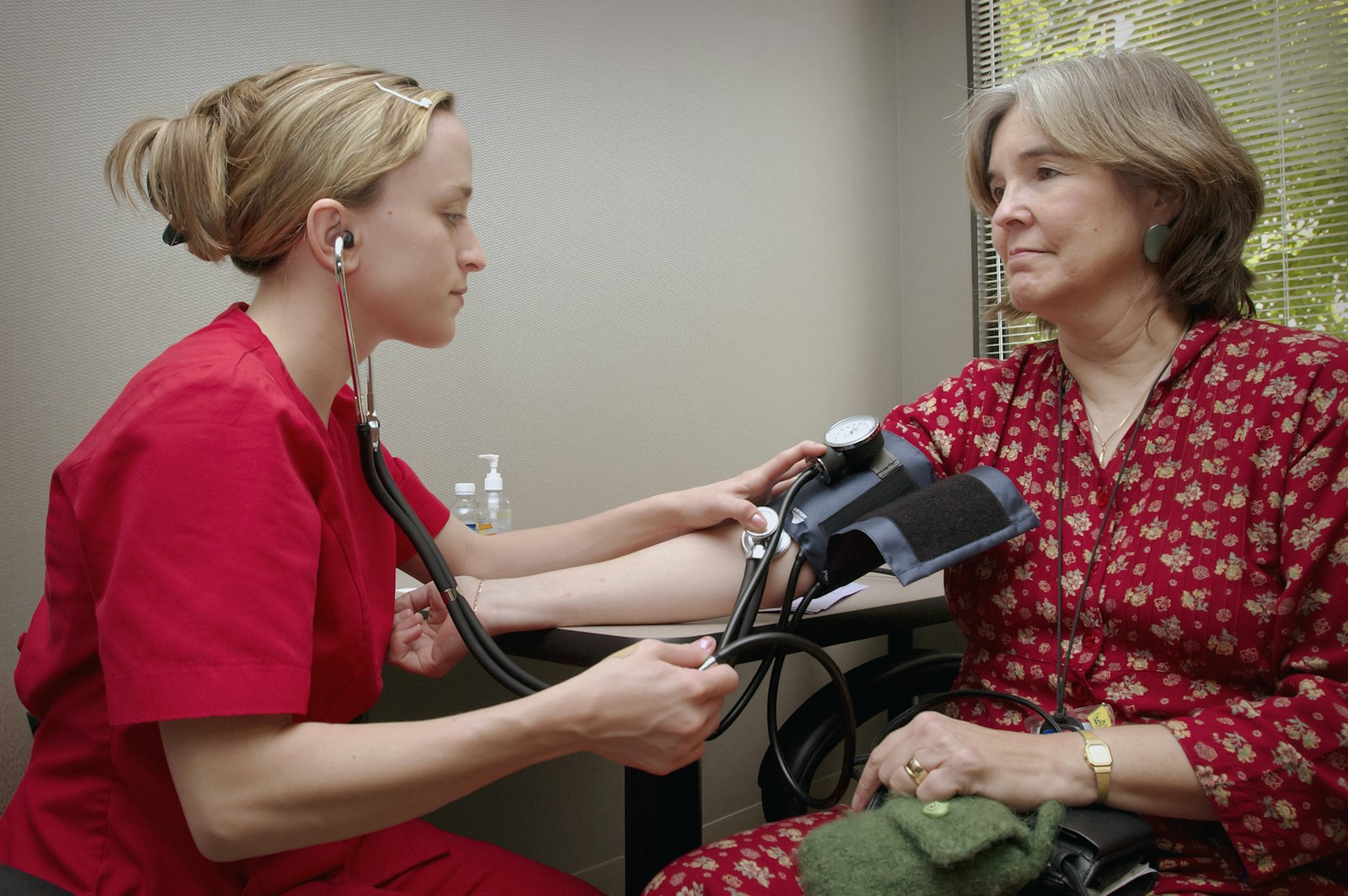
The nurse, who was friendly and patient, wore a pair of stylish glasses that, unbeknownst to the patient, were equipped with Meta technology. Throughout the entire appointment, including the routine blood draw, the patient was completely unaware that the nurse was recording everything through the little camera located in the corner of the glasses. As they went through the motions, discussing symptoms and treatment options, the patient was too focused on her own discomfort to pay attention to the details of the nurse’s eyewear.
It wasn’t until the blood draw that the patient caught sight of the camera. In a haze of illness, she noticed a glint of something on the side of the glasses, a realization dawning on her. As the nurse drew her blood, the patient’s mind raced. Was she being recorded? What was the purpose of the camera? Was her privacy being violated? The questions spiraled, but her illness had rendered her too fatigued to voice her concerns at that moment. Instead, she simply nodded along, trying to focus on the task at hand.
When the appointment concluded, the patient left with her prescription in hand but a nagging discomfort lingering in her mind. It wasn’t until she returned home and began to feel better that the weight of the situation hit her. The more she thought about it, the more disturbed she became. The idea of someone potentially watching her—examining her at her most vulnerable, learning about her health issues, and capturing intimate moments during the appointment—was unnerving. It felt like an invasion of privacy, and the fact that it had all happened without her knowledge made it even worse.
The next morning, she found herself contemplating her options. Should she call the medical office and express her concerns? What would she say? “Hi, I just wanted to let you know that I’m uncomfortable with your nurse’s glasses having a camera”? The thought of confronting the situation felt daunting. After all, the nurse had been kind and professional, and the patient didn’t want to be the reason for someone losing their job over what might be a misunderstanding. But at the same time, she couldn’t shake the feeling that it was wrong.
As she mulled it over, she began researching the Meta glasses to understand more about their functionality. They were marketed as a cutting-edge tool for enhanced communication and service, but she couldn’t help but wonder if their use in a medical setting, especially without patient consent, was ethical. The tech seemed to promise more efficiency in care, yet here she was, grappling with how that efficiency could come at the cost of her privacy.
Days passed, and her anxiety over the incident didn’t wane. She started to imagine all the scenarios in which those glasses could be misused and the potential implications it could have on her medical confidentiality. Were other patients unaware of similar technology? Was it standard practice for nurses and other medical professionals to wear such devices while interacting with patients? She felt a mix of confusion, anger, and helplessness, all while grappling with her own discomfort from being sick.
Finally, she decided she needed to take action. She drafted a message to the office, articulating her concerns. She didn’t want to come off as overly dramatic, but she felt it was important to raise awareness about the situation. If the glasses were indeed being used to record patients, those who came after her deserved to know what they were getting into. In her message, she emphasized her respect for the nurse and her gratitude for the care she received, but she also firmly stated that patient consent was crucial, especially in the context of health and privacy.
As she hit send, she felt a sense of relief but also apprehension. Would they take her seriously? Would the nurse face consequences? She had no way of knowing how the office would respond, but at least she tried to advocate for herself and future patients. As she waited for a reply, she couldn’t help but wonder about the balance between technology and privacy in healthcare and how important it was to maintain that trust.
More from Cultivated Comfort:
- 7 Vintage Home Items From the ’60s That Are Collectors’ Dream Finds
- 7 Vintage Home Goods That Became Collectors’ Gold
- 7 Fast-Food Chains That Changed for the Worse
- 7 Frozen Dinners That Were Better Back in the Day