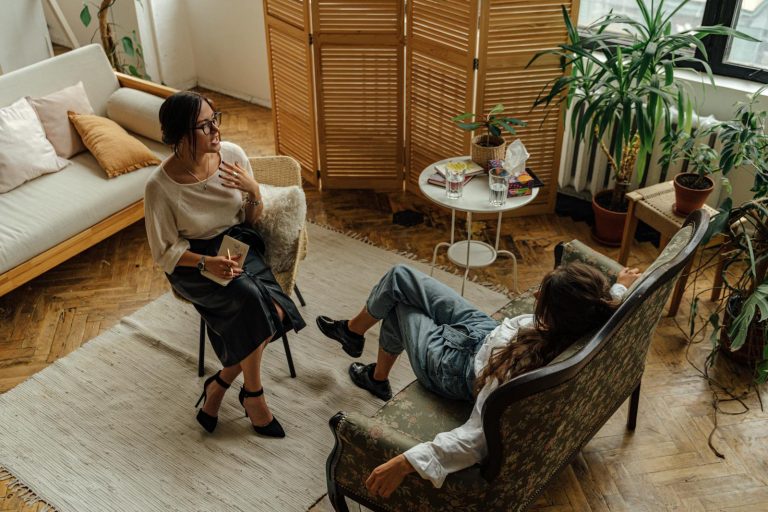
A 22-year-old woman, who we’ll call Mia, found herself in a situation many young adults might dread. After graduating from university, she was living at home with her parents while waiting to start her first full-time job. The thrill of newfound freedom was unfortunately marred by the presence of her mother, who we’ll refer to as Judi. Judi was unemployed and spent her days at home, often making Mia feel like a stranger in her own space.
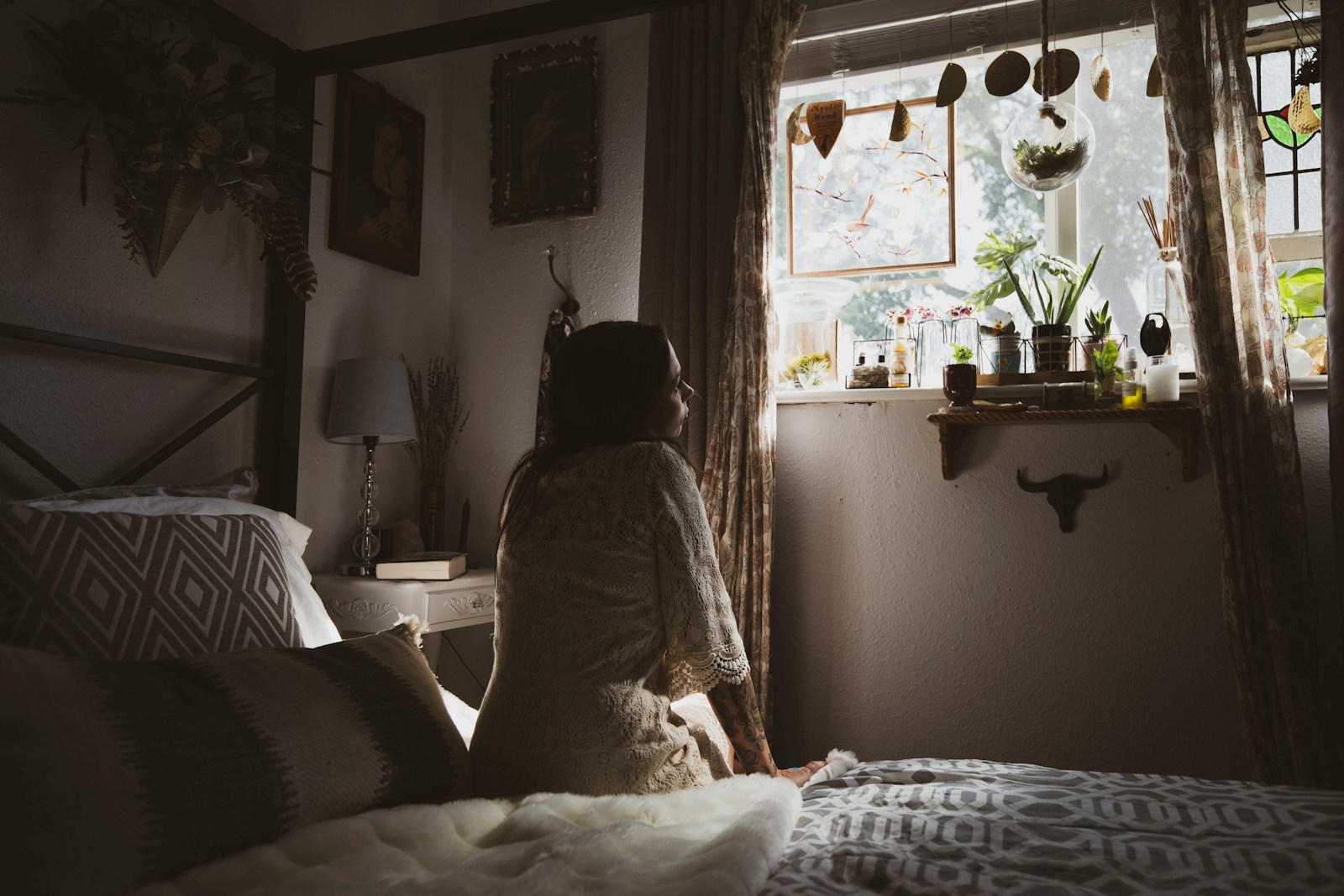
For Mia, the most frustrating part of this living arrangement was her mother’s constant intrusion into her room. It wasn’t a simple knock or a friendly chat; Judi had a habit of barging into Mia’s space at any hour of the day or night, leaving Mia feeling as if she had no privacy whatsoever. This lack of boundaries extended beyond mere interruptions. Judi would use Mia’s bathroom and bedroom for her own routines, sometimes for hours at a time, completely disregarding Mia’s need for personal space.
To make matters worse, Mia was battling anxiety, which only escalated whenever her mother entered her room. It wasn’t just about feeling uncomfortable; it was physical. Mia described a sensation of being “frozen” in place whenever Judi was nearby. She recounted that she would often remain in whatever position she was, even if it meant waiting uncomfortably in bed while her mother rummaged through her belongings or engaged in conversation. It felt impossible for her to relax or continue whatever she was doing, whether that was studying, watching TV, or even gaming. Everything was on hold until Judi decided to leave.
But there was a deeper issue at play. Mia struggled with a medical condition known as urge incontinence, which left her in constant discomfort and embarrassment. Holding in her urges became a painful routine whenever Judi was nearby, leading Mia to delay bathroom trips until she was certain it was safe to leave her room. Unfortunately, this led to accidents on several occasions, further compounding her feelings of shame and frustration. The idea of physically leaving her room under the watchful eyes of her mother felt unsafe to Mia, and she often found herself waiting for Judi to vacate her space—sometimes at great cost to her health.
The feeling of being frozen was something Mia had never expected to experience in her own home. After years of establishing a sense of independence, the constant reminders of her mother’s presence was suffocating. Even when she tried wearing noise-canceling headphones to block out the disturbances, she still felt the need to pause whatever she was doing as soon as Judi entered the room. It was as if her entire world revolved around avoiding conflict and discomfort brought on by her mother’s unwelcome intrusions.
Every interaction felt like a battle for Mia, and the stakes seemed to rise with each passing day. Even the act of trying to reclaim her space felt futile; verbal warnings and attempts to lock her door were consistently ignored or disrespected. There was a peculiar sense of helplessness that accompanied her situation, a feeling of being trapped in a space that was supposed to feel like home. Instead of a place of comfort, her bedroom had transformed into a source of anxiety and stress.
As Mia navigated this difficult time in her life, waiting to start her career and finally carve out her own path, she couldn’t shake the feeling that her home life was dragging her down. The anticipation of a job that would take her out of the house five to six days a week was a glimmer of hope amid the chaos. But until then, she felt stuck, managing a health issue worsened by her mother’s behavior, unsure of how to communicate her needs effectively. It became a cycle of waiting, enduring, and hoping for change.
Mia’s story resonated with many who understand the struggle of living in a house where boundaries aren’t respected. It illustrates the profound impact that family dynamics can have on mental and physical well-being. While she was waiting for her career to take off, she was also waiting for a chance to reclaim her space—an everyday battle that far too many people face.
More from Cultivated Comfort:
- 7 Vintage Home Items From the ’60s That Are Collectors’ Dream Finds
- 7 Vintage Home Goods That Became Collectors’ Gold
- 7 Fast-Food Chains That Changed for the Worse
- 7 Frozen Dinners That Were Better Back in the Day