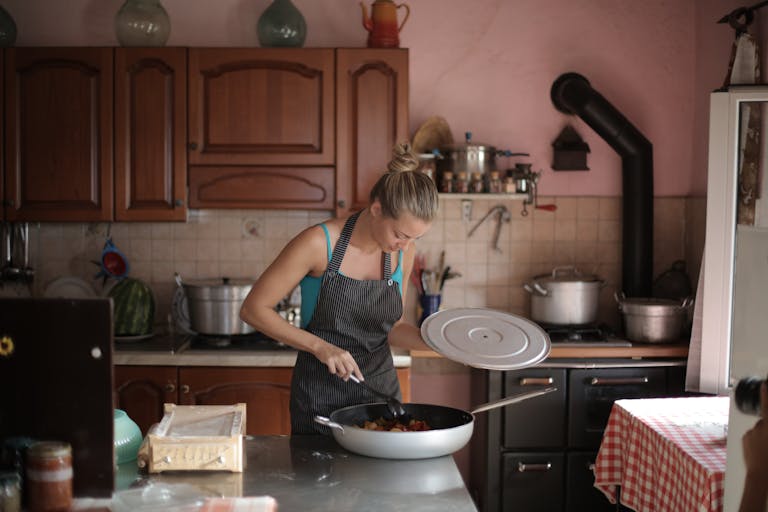
In a world where family ties often come with unseen burdens, one woman found herself unexpectedly navigating the turbulent waters of caregiving for a mother she barely knew. Keely, almost 40 years old, had spent most of her life under the care of her grandparents, with her biological mother, Mia, only appearing in fleeting visits during family gatherings. Growing up, their interactions never ventured beyond the superficial; they were always overshadowed by relatives, never allowing for any emotional connection to form between them.

It was only last year, under tragic circumstances, that Keely’s life took a turn. Mia was diagnosed with a serious illness, and in the wake of her deteriorating health, Keely felt the weight of obligation fall solely upon her shoulders. Moving back in with her mother was not an easy decision. Despite Keely’s efforts to maintain a sense of independence, the reality struck hard—she was now responsible for caring for a woman she had long viewed as a roadblock to her dreams.
The resentment rooted deep within Keely’s heart was not without merit. As a child, she often sought her mother’s support for her ambitions, only to be met with dismissal and skepticism. Keely vividly recalled the moment she dared to dream of starting her own business after finishing college. She was elated at the thought of entrepreneurship, only to have Mia scoff at her dreams. “It’s a waste of money,” Mia had said. “Just get a job.” Those words echoed throughout Keely’s life, extinguishing her spark each time she sought her mother’s approval.
Even when Keely struggled to launch a small business with her own savings, Mia’s refusal to help financially stung deeply. Instead, it was the family maid who had supported her, encouraging her to forge her own path. Eventually, with the maid’s assistance, Keely managed to get her shop running, only for Mia to later swoop in and take credit when it flourished, demanding a cut of the profits. The moment Mia saw the success of Keely’s endeavors, she catapulted herself into the mix, claiming she deserved a piece of the pie she had actively tried to keep away from her daughter.
The frustration compounded when Mia refused to provide financial assistance for Keely’s burgeoning plans, only to lend outrageous sums to relatives. The culmination of these experiences left Keely feeling trapped in a cycle of disappointment. The relationship felt transactional, where Mia only seemed to care about the success that she could claim as her own.
Now, as Keely assumed the role of caregiver, the emotional burden intensified. Her mother was physically present but emotionally absent, and the lack of connection made the task feel insurmountable. Every moment spent tending to Mia was a stark reminder of years of hurt, disappointment, and unresolved resentment. Keely found herself counting down the hours until she could escape to her day job, which felt like the only sanctuary from her reality.
Keely’s boyfriend remained unaware of the depth of her struggle, and she feared his judgment. He had recently repaired his own relationship with his mother, and the thought of him labeling her as “ruthless” or “ungrateful” was terrifying. It felt unjust that she would be judged for her feelings about a woman who had shown her so little love and support throughout her life.
As days turned into months, Keely grappled with a toxic mix of guilt and exhaustion. She prayed for answers, hoping that her desire to connect with Mia would turn into something more meaningful. Yet every passing moment in their shared space only deepened her sense of entrapment. Should she feel guilty for her lack of affection toward a dying mother? Or was it acceptable to experience such profound emotional disconnection after years of disappointment?
While the rest of the world often romanticizes the bond between a mother and child, Keely found no comfort in it—only a reminder of her own longings unfulfilled. Trapped in her thoughts, she wondered if anyone else felt the same way, silently caged by their family ties, longing for an escape.
Her story is not just a reflection of grief and obligation but of the complexities that often lie beneath the surface of familial relationships. After all, not all journeys are beautiful or straight; some are fraught with struggle, resentment, and an overwhelming desire to break free.
More from Cultivated Comfort:
- 7 Vintage Home Items From the ’60s That Are Collectors’ Dream Finds
- 7 Vintage Home Goods That Became Collectors’ Gold
- 7 Fast-Food Chains That Changed for the Worse
- 7 Frozen Dinners That Were Better Back in the Day