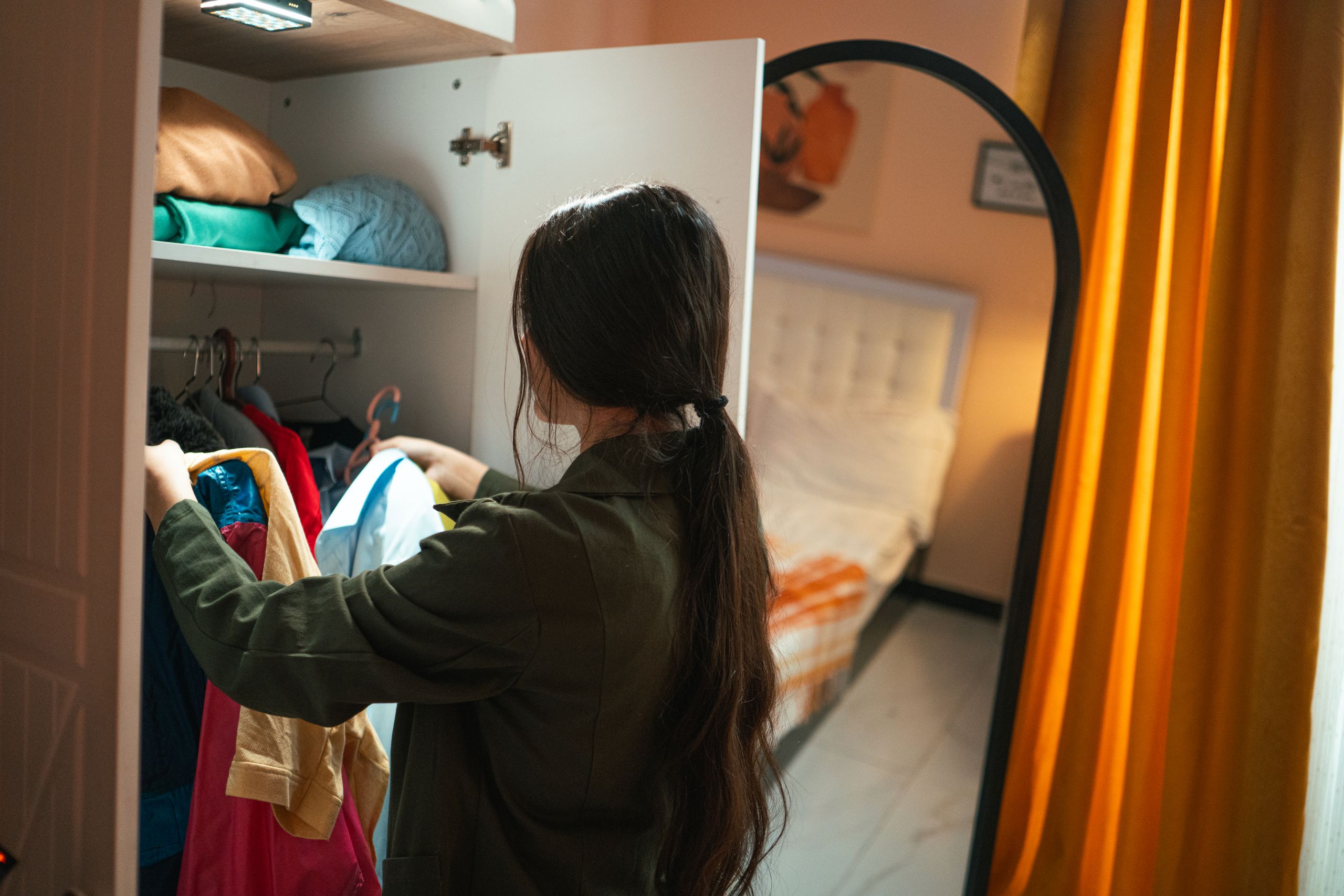
In a small town where individuality often goes unnoticed, a 21-year-old non-binary individual named Alex found refuge in their passion for collecting merchandise from a beloved indie game studio called Studio Investigrave. Ever since childhood, collecting had been more than just a hobby for Alex; it was a special interest, a way to connect with the world around them. They had spent countless hours pouring over game lore and immersing themselves in the chilling atmospheres of each release, with Studio Investigrave becoming a particular favorite due to its captivating short horror games.

From the beginning of 2025, Alex’s obsession only deepened. Limited-edition plushies, apparel, and in-game memorabilia flew off the shelves and onto their carefully curated display at home. The collection was substantial and comprised not only official merch from the studio but also handmade fan items sourced from Etsy and conventions. Each item represented hours of work and precious earnings from their job, a place where Alex felt supported despite their hypersensitivities due to autism.
Throughout their collecting journey, Alex had made it clear to their family, especially their mother, that this was more than a passing phase. Although their mom had always found the horror genre distasteful, Alex reminded her that they were an adult, capable of making their own choices—choices that included spending their hard-earned money on what brought them joy. They had even taken the extra step to keep the collection neatly tucked away in their room, ensuring it didn’t intrude on their mom’s preferences.
However, everything changed in an instant one afternoon. After grabbing lunch with a close friend, Alex returned home, looking forward to spending some time with their collection. To their shock, upon entering their room, they discovered that it had all vanished. Panic washed over them as they rushed down the hallway to confront their mom. Her response cut deep: she had packed up all of Alex’s Studio Investigrave merchandise and donated it to the local thrift store.
At that moment, Alex’s world turned upside down. Tears streamed down their face as they processed the enormity of the situation. For their mother, it was simply “just stuff.” The laugh that followed Alex’s emotional breakdown felt like a dagger, reinforcing the feeling that their passion was being ridiculed. To their mom, it was a collection driven by nothing more than an obsession; to Alex, it was a labor of love, each piece a representation of themselves, their hard work, and their connection to a community they cherished.
With their emotions in disarray, Alex felt a mix of grief and anger. This was not just about the items; it was about disregarding their autonomy and passion. They had poured hours of labor and love into building this collection, and now it felt like a tremendous waste. The reality that the limited-edition pieces were essentially irreplaceable added to the weight of their despair. Each plushie and piece of memorabilia held memories of unboxing videos, moments of joy, and a sense of belonging. Now, they were gone.
As they sat in their room, overwhelmed by the situation, their mom knocked on the door, urging them to “get over it.” To Alex, this was no simple matter. The value of their collection was not just monetary; it was deeply personal. The dismissal of their feelings only added to the wound, making them feel isolated in a moment that should have been supported.
Determined to reclaim what was theirs, Alex devised a plan. The local thrift store where the items had been donated wasn’t far away. They decided to visit the bins the next day, hoping against hope that they could retrieve some of the items. After all, they had documentation—pictures and videos from unboxing to prove the merch belonged to them. It was a long shot, but Alex clung to the hope that perhaps some pieces could be salvaged.
Through this experience, one thing became painfully clear to Alex: the clash between their interests and their mother’s understanding was more than just a conflict over horror merchandise; it was a reflection of how their unique interests were perceived in a household that didn’t share that passion. In a world that often overlooks differences, Alex’s story stands as a reminder of the complexities surrounding personal passions, especially when they intersect with familial relationships.
More from Cultivated Comfort:
- 7 Vintage Home Items From the ’60s That Are Collectors’ Dream Finds
- 7 Vintage Home Goods That Became Collectors’ Gold
- 7 Fast-Food Chains That Changed for the Worse
- 7 Frozen Dinners That Were Better Back in the Day