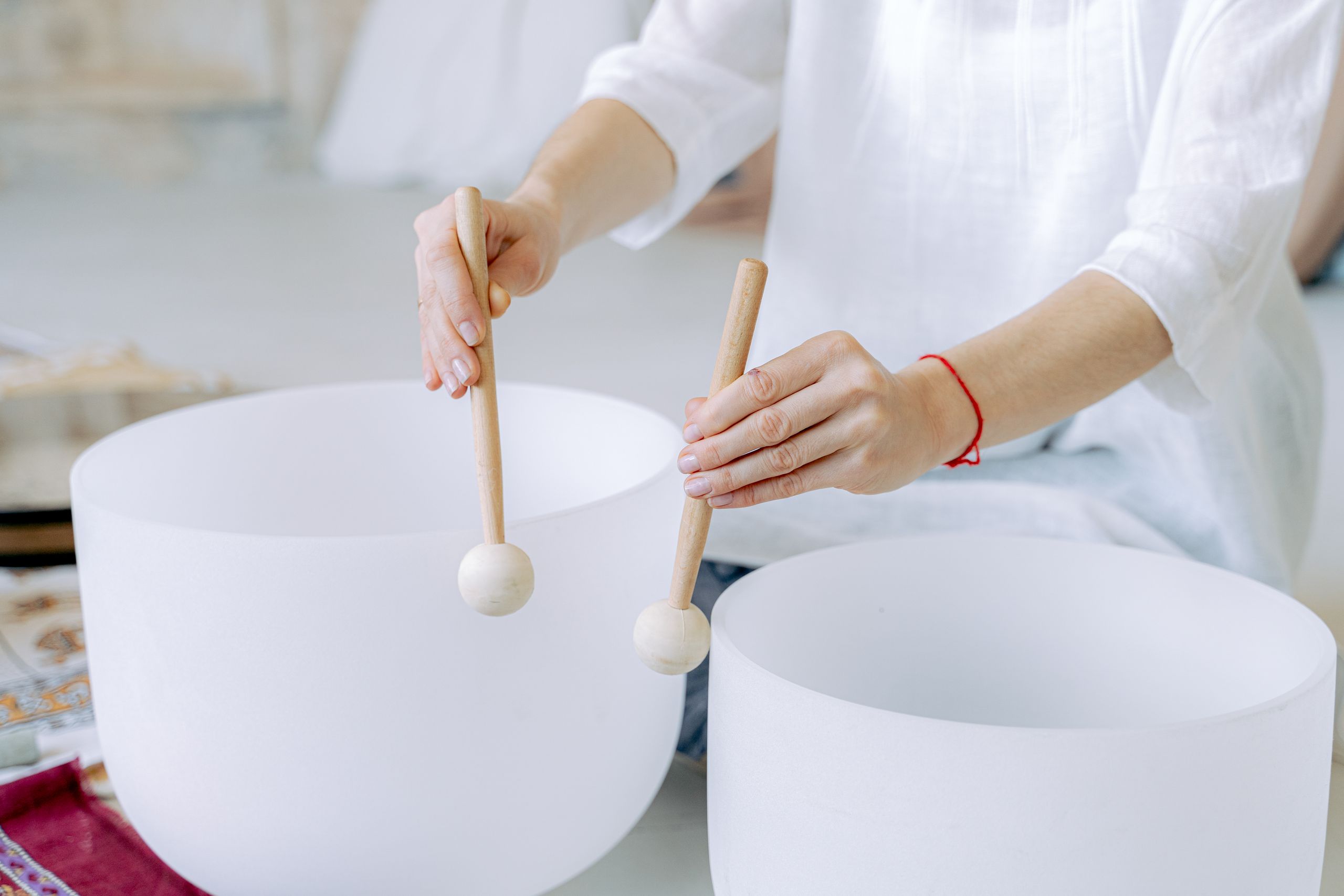
A 29-year-old woman, let’s call her Mia, found herself in the midst of a family dispute over some heirloom crystal bowls that once belonged to her late grandmother. This all started back in 2015 when Mia’s family was sorting through her grandfather’s home as he transitioned into assisted living following the passing of her grandmother in 2013. During this time, a meeting was held with her father and uncles to decide how to divide the significant crystal collection left behind. Each family member picked pieces that held meaning for them, and Mia’s father made a point to take some crystal that was less aesthetically striking, ensuring Mia could have the three crystal bowls she admired.
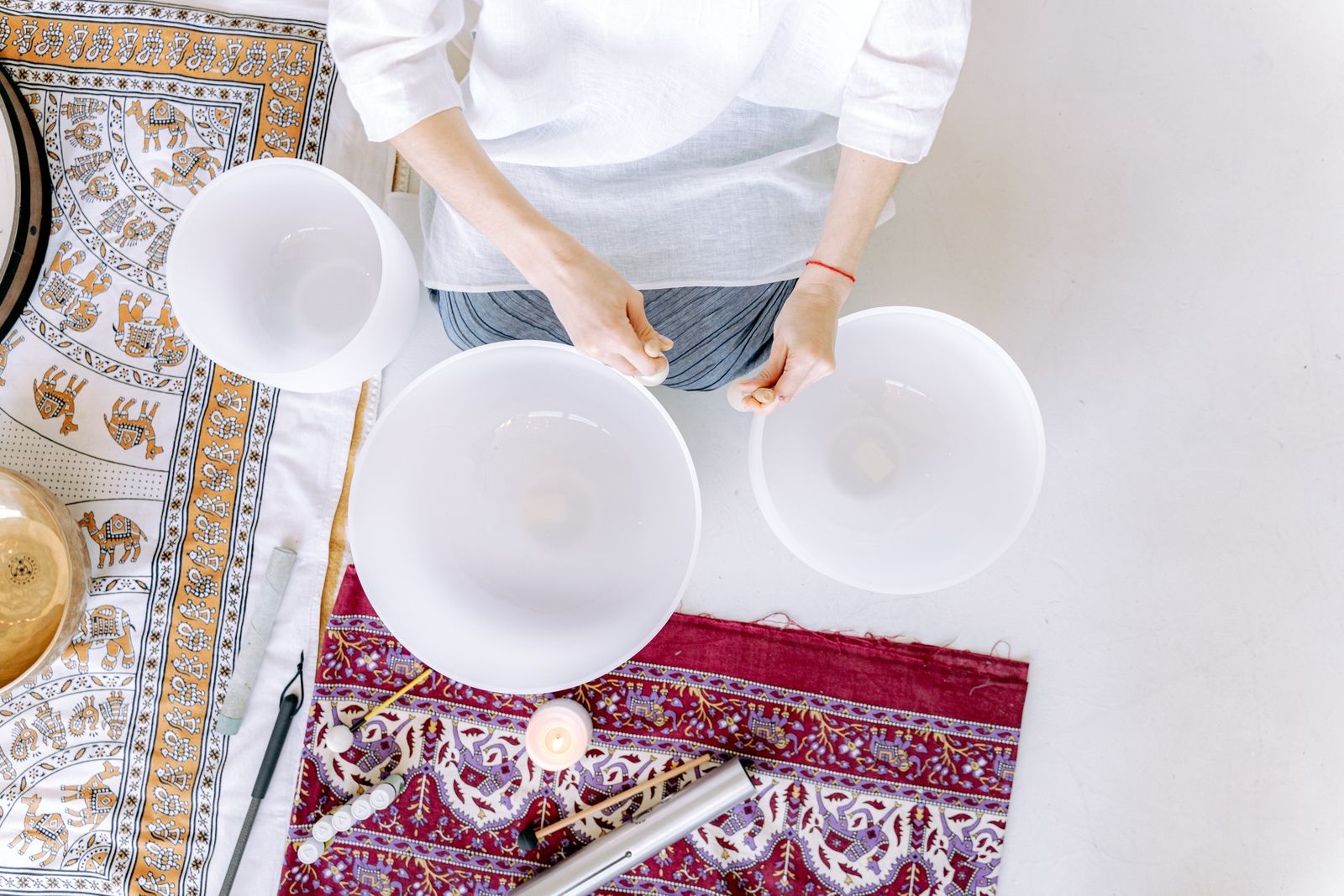
What felt like a simple agreement turned complicated when the family dynamics shifted. Since 2015, Mia’s relationship with her father had soured, leading to a significant estrangement that added to the emotional burden of keeping these bowls. Despite this distance, Mia cherished the bowls as the only tangible connection she had to her grandmother, planning to pass them down to her own children one day.
Fast forward to 2019. Mia’s aunt and uncle visited her apartment and laid eyes on the cherished bowls. Although Mia struggled to recall the specifics of their visit, her aunt later claimed that Mia had offered to give them one of the bowls. This assertion bewildered Mia, who had no recollection of making such an offer, and neither did her mother, who was present during the visit. Yet, the memory of the family meeting and the explicit agreements made lingered in Mia’s mind, reinforcing her conviction in holding onto the bowls.
This year, Mia received a text from her aunt, framed in an amicable tone, asking if Mia still had the bowls. The message suggested her uncle was interested in a specific bowl, prompting Mia to take some photos for identification. However, the request quickly turned into a demand when her aunt mentioned that her uncle was sure Mia had previously offered to part with one of the bowls. Mia found herself in a bind, caught between familial expectations and her emotional attachment to the items.
In response to her aunt’s message, Mia carefully expressed her thoughts: “Hi Aunt! I do still have the bowls, and I’d be happy to send you a picture so Uncle can see if one of them is the one he’s thinking of. That being said, after giving it some thought over the years, I’m not comfortable or willing to part with them. They’re really the only items I have from Grandma, and they mean a lot to me.” She emphasized their significance, especially in light of her estranged relationship with her father, who had taken the rest of the crystal from their grandmother.
Mia felt a swirl of emotions as she sent her message. The nostalgia tied to the bowls was profound; they were not just decorative pieces but symbols of her family’s history and the memories of her grandmother. The response from her aunt was polite, yet Mia couldn’t shake the feeling of being pulled into an unwanted conflict regarding her rightful ownership of the bowls. Her family members had chosen their crystal long ago, and now, years later, they were attempting to renegotiate the terms.
The situation left Mia questioning her own positioning in the family dynamic. Did she owe it to her uncle to part with an heirloom due to blood relations, despite the fact that she had claimed them long before the re-emergence of these requests? Or was she justified in holding onto the bowls, given their longstanding agreement and her personal attachment? A swirl of self-doubt crept in as she wondered if she was being unreasonable or if her uncle’s desire for the bowls was simply rooted in nostalgia rather than genuine sentiment.
As the conflict brewed, Mia was left grappling with her place in what was an already complicated family narrative. The burden of family expectations clashed with her right to hold onto pieces of her past, leading her to seek the opinions of others. It’s a situation many can relate to, where family dynamics can complicate the simplest of things—like a few crystal bowls that represent so much more than once thought.
More from Cultivated Comfort:
- 7 Vintage Home Items From the ’60s That Are Collectors’ Dream Finds
- 7 Vintage Home Goods That Became Collectors’ Gold
- 7 Fast-Food Chains That Changed for the Worse
- 7 Frozen Dinners That Were Better Back in the Day