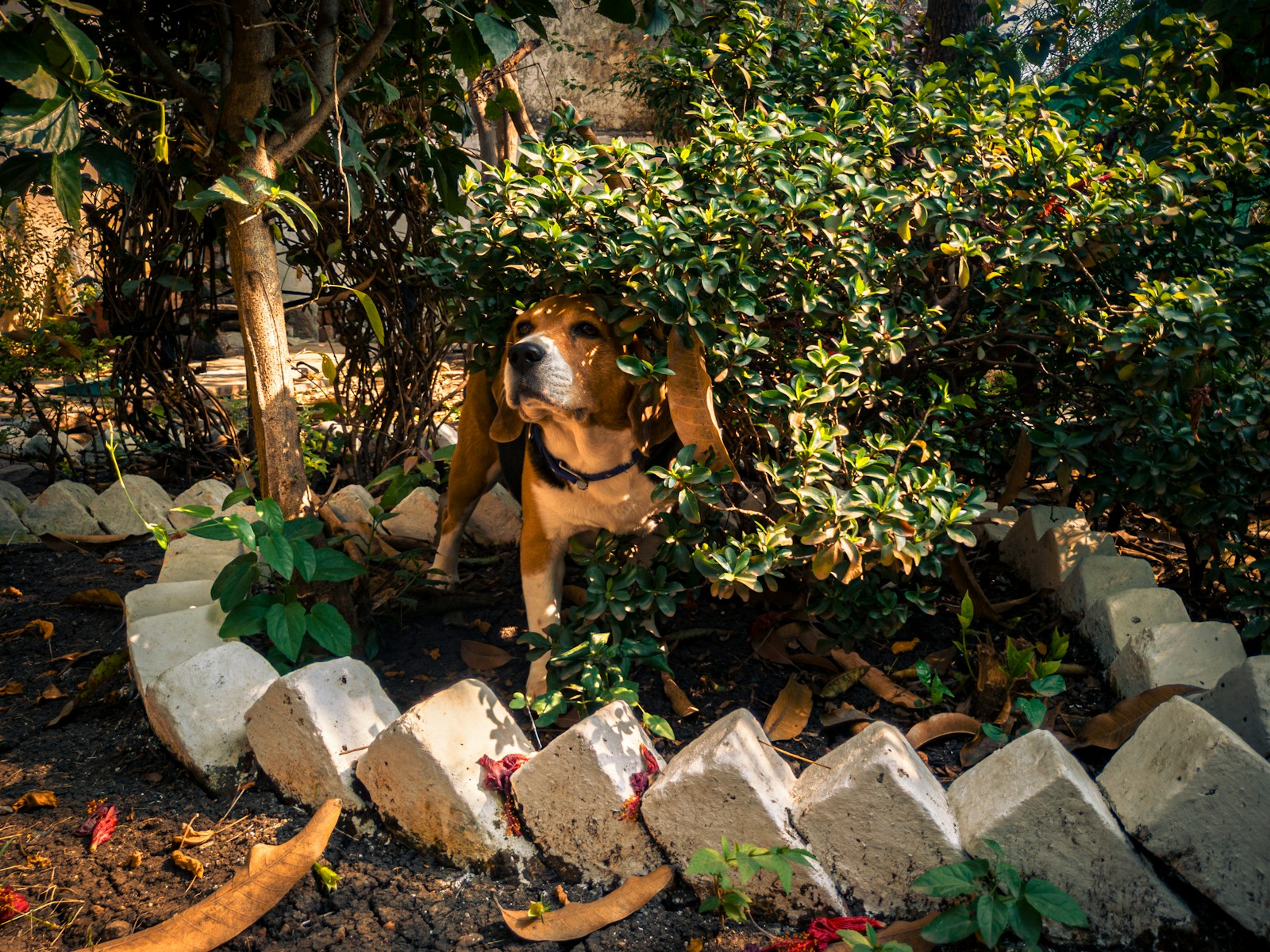
There are moments in life when the simplest of activities can turn into a frustrating ordeal. Take, for example, the joy of gardening. There’s something inherently calming and rewarding about tending to your plants, nurturing them, and watching them flourish. For one individual, this simple pleasure has turned into a recurring nightmare, thanks to a neighbor’s dog that seems to have developed an uncontrollable urge to dig up their hard work.
It all began innocuously enough. Our storyteller, who we’ll call Alex, had spent months cultivating a beautiful herb garden. It was a labor of love—basil, thyme, rosemary, and a few other herbs. Each plant needed care, attention, and time, but they were flourishing under Alex’s dedicated watch. One day, however, Alex discovered a patch of disturbed soil and missing plants. At first, Alex shrugged it off, assuming it was just a fluke. But then it happened again, and again.
By the third incident, Alex felt the need to address the issue directly. With a calm disposition, Alex approached the neighbor, let’s call them Chris, to discuss the ongoing problem. Alex presented evidence in the form of photos, clearly showing the garden’s destruction and the remnants of herbs scattered about. It wasn’t a dramatic confrontation; it was a simple plea for understanding. However, Chris’s response was disheartening. With a casual shrug, Chris remarked, “Yeah, he likes to dig. It’s normal dog behavior.” That was it. No apologies, no offers of help, just a nonchalant acceptance of the chaos their dog had caused.
It’s not that Alex expected Chris to fix everything, but this dismissive attitude felt like a punch to the gut. Months of hard work and care seemed to mean little in the face of a “normal dog behavior” excuse. As more time passed and the digging continued, Alex found themselves growing increasingly frustrated. It felt as if their labor in the garden was being undermined by a lack of accountability from their neighbor and an unmanageable dog. Each visit to the garden became a bittersweet experience—should they plant anew or just accept that it would all be dug up again?
What made the situation even more perplexing was the notion of responsibility. Dogs will be dogs, yes, but what about the responsibility of the owners? Was it not reasonable to expect some level of ownership when it came to the destruction of someone else’s property? Alex found themselves grappling with thoughts like, “What if this were my dog? Would I let them ruin my neighbor’s garden and just call it normal?” It’s a slippery slope of expectations that left Alex feeling not only frustrated but also helpless.
In the following weeks, Alex tried various strategies to deter the dog. Small fences, repellent sprays, and even barriers made of chicken wire became temporary solutions, but nothing seemed to work. Chris’s dog was determined, and Alex’s garden was paying the price. Each time they repaired the damage, they wondered if it was worth the effort, or if they should just let the garden go entirely. The pleasure of nurturing plants was being overshadowed by anger and ineffectiveness.
Alex’s friends and family, on hearing the saga, sympathized with the situation but also suggested various routes to take. Some recommended confronting Chris again, while others leaned toward ignoring the issue. But at the end of the day, it was Alex who had to decide how to handle the situation. Living near a dog had its upsides, of course, but when the neighborhood’s pets begin to affect DIY projects, it can sour the living experience.
With the seasons changing and summer winding down, Alex is left with a decision to make. Should they try to cultivate their herb garden again, knowing the potential for destruction looms large? Or is it time to leave the gardening to others who might not experience the same frustrations? It’s a dilemma that speaks to the heart of neighborly coexistence and the challenges that arise when pets step over the line.
In the grand scheme of things, perhaps this story is about more than just a ruined garden; it’s a reminder of how important communication, responsibility, and respect are in any community setting. But for now, for Alex, it’s about figuring out what’s next in their herb garden saga.
More from Cultivated Comfort:
- 7 Vintage Home Items From the ’60s That Are Collectors’ Dream Finds
- 7 Vintage Home Goods That Became Collectors’ Gold
- 7 Fast-Food Chains That Changed for the Worse
- 7 Frozen Dinners That Were Better Back in the Day