
In a tightly knit apartment complex, where a handful of families share the same walls, one resident found their love for music constantly quashed by the noise sensitivities of their neighbors. This story revolves around the struggles of living in close quarters, where the unwritten rules of noise levels seem to only apply one way. The tenant, let’s call them Alex, enjoyed playing music as a way to unwind and express themselves, but this innocent pleasure turned into a source of frustration.
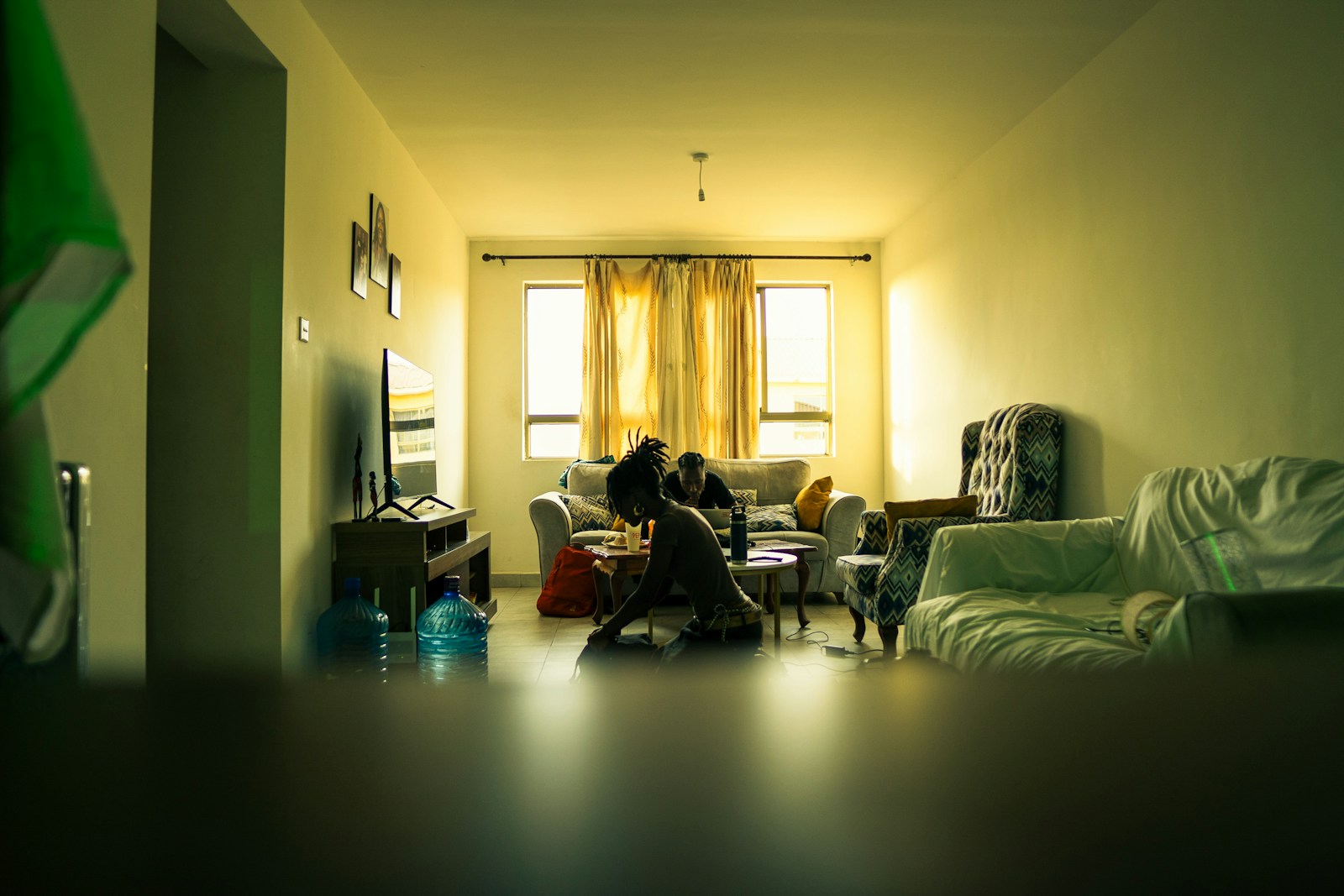
Whenever Alex played their favorite tunes, even at a low volume, the sound somehow managed to drift just enough to irritate one or two of their neighbors. It was baffling how a simple melody could perceive such a backlash. These neighbors would voice their complaints with an air of authority. “I am free to express myself,” Alex would often retort, adding a layer of sarcasm to their response. They felt as though their apartment had become a cage, imprisoning their freedom to enjoy music.
Adding to the tension was the expectation that they should join in on the neighbors’ communal gossip sessions. The neighbors would frequently invite Alex to come and sit with them, ostensibly for friendly conversation. But more often than not, those conversations morphed into rants about other residents in the building. It was as if becoming part of their circle meant putting up with the judgmental undertones they brought along. For Alex, the idea of joining in felt disingenuous, especially since their hobbies had become a topic of scrutiny.
As for the issue of noise levels, it became increasingly clear that the neighbors had a double standard. If Alex dared to play devotional songs in the morning, there would be complaints about the volume. Yet, when the neighbors themselves hosted gatherings or played their own devotional music, the volume was suddenly a non-issue. It was a strange paradox; the very people who would chastise Alex for their music choices could blare their own tunes without a second thought. It highlighted the lack of consideration and fairness in the community.
There was also another tenant in the building who practiced their faith openly. Whenever this tenant played devotional music or conducted prayers, it sparked the same complaints from the neighbors. The irony was not lost on Alex. Everyone seemed to be on edge about noise unless it came from the established group of neighbors, who felt they had the right to dictate what could be heard at any hour of the day or night. They could host parties that echoed throughout the hallways and play music until the early hours, but for anyone else, whether a resident or a tenant, that same freedom was denied.
This ongoing conflict rendered Alex’s living situation increasingly unbearable. The fear of judgment loomed large in their mind. They often found themselves second-guessing their own desires. Would playing a song bring about another wave of complaints? Would their neighbors mock them, or worse, conspire to talk about them behind their back? Was it too much to want to express their individuality in the comfort of their home?
In an attempt to cope, Alex started resorting to earphones, isolating themselves even further from the already stifling environment. It wasn’t ideal; while it allowed them to listen to their favorite songs without the judgmental gaze of their neighbors, it also meant shutting themselves off from the world outside their walls. Music, which was meant to be an open, shared experience, had been transformed into a source of solitude.
The struggle continued, as Alex weighed their options. They knew they could try discussing the issue with their neighbors, but experience had taught them that conversations rarely led to any substantial change. Navigating the dynamics of apartment living could be challenging, and it often felt like an uphill battle, where the desire for freedom clashed with a rigid social code.
As the days turned into weeks, the cycle repeated itself. Relaxation time would come, and Alex would contemplate whether today might be the day they could indulge in music without repercussions. That yearning was always tinged with anxiety, as they faded into a world where the volume had to be controlled by others’ whims.
More from Cultivated Comfort:
- 7 Vintage Home Items From the ’60s That Are Collectors’ Dream Finds
- 7 Vintage Home Goods That Became Collectors’ Gold
- 7 Fast-Food Chains That Changed for the Worse
- 7 Frozen Dinners That Were Better Back in the Day

As a mom of three busy boys, I know how chaotic life can get — but I’ve learned that it’s possible to create a beautiful, cozy home even with kids running around. That’s why I started Cultivated Comfort — to share practical tips, simple systems, and a little encouragement for parents like me who want to make their home feel warm, inviting, and effortlessly stylish. Whether it’s managing toy chaos, streamlining everyday routines, or finding little moments of calm, I’m here to help you simplify your space and create a sense of comfort.
But home is just part of the story. I’m also passionate about seeing the world and creating beautiful meals to share with the people I love. Through Cultivated Comfort, I share my journey of balancing motherhood with building a home that feels rich and peaceful — and finding joy in exploring new places and flavors along the way.