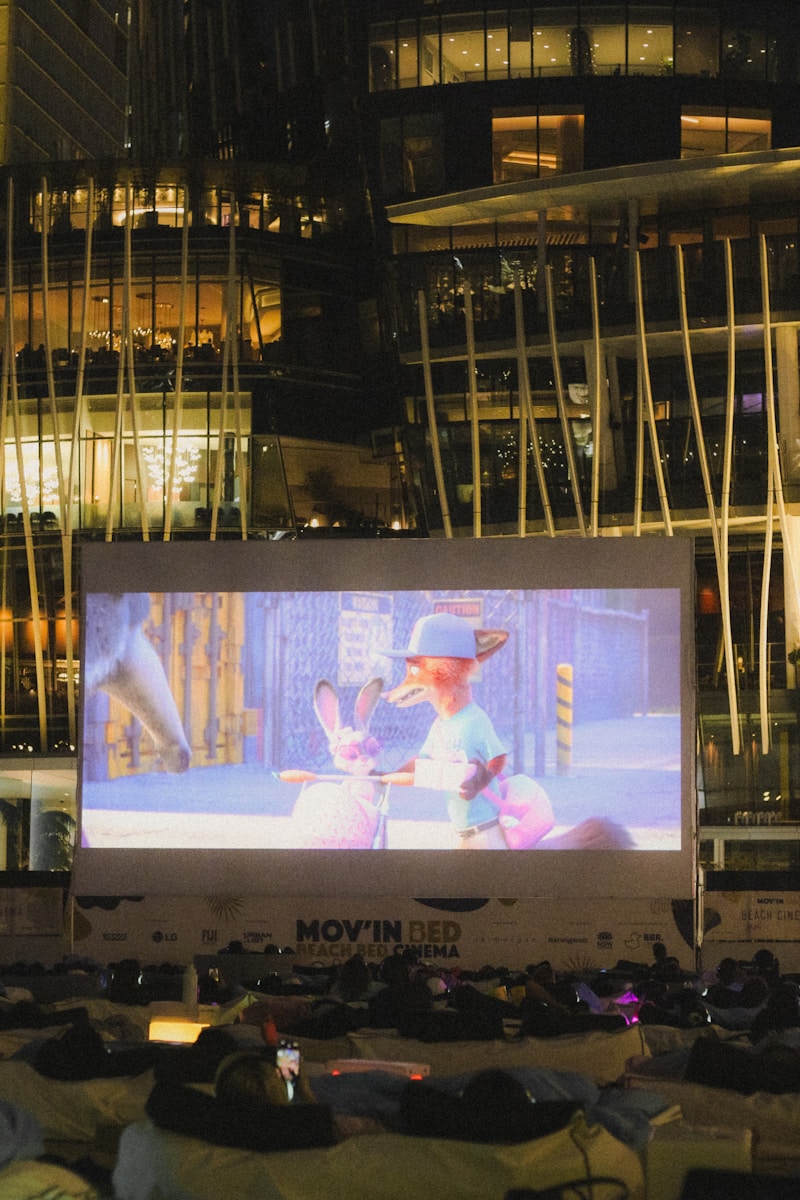
In a small town, two friends took it upon themselves to start a community movie night aimed at raising funds for local homeless support. They envisioned it as not just a fundraiser, but a way to bring the community together. The events were modest but successful, usually bringing in around $50 each time, which would go directly to local initiatives. However, they found themselves facing an unexpected challenge that threatened the spirit of their gatherings.

Among the attendees was a girl who, despite her enthusiasm for the community events, had a penchant for making disruptive comments during the films. Initially, her behavior didn’t seem too alarming, as many attendees chalked it up to simply being a little too enthusiastic. But as time went on, her remarks became increasingly inappropriate. She had a history of causing disturbances in local activism circles, often saying things that not only made the group look bad but also put them at risk of legal repercussions. The organizers had attempted to address her behavior in the past, but their conversations seemed to go in one ear and out the other.
During the most recent movie night, things took a turn for the worse. The film being screened had some intense scenes set in a hospital, which accidentally coincided with a recent real-life tragedy: a shooting that had occurred at a local hospital. As the scenes unfolded, the girl made a joke referencing the shooting. It was an ill-timed, tasteless comment that left many attendees uncomfortable. It was particularly upsetting for those who were sensitive to such topics, with some members feeling overwhelmed enough to leave the event entirely.
Her comments didn’t just disrupt the movie; they also impacted the sense of safety and community that the organizers were trying to foster. Many of the other attendees were not just annoyed; they were outright upset. Even though this girl was clearly on the autism spectrum, which made the organizers feel a certain level of sympathy towards her, they had to consider the broader impact of her behavior. Other autistic individuals in attendance were also feeling distressed by the interruptions, and the organizers were left wondering about the balance between inclusivity and maintaining a safe, enjoyable environment for everyone.
The friends debated what to do next. They didn’t want to exclude anyone, least of all someone who was already facing struggles with social interactions. But they were also aware that allowing the girl to continue attending without addressing her disruptive behavior could ultimately lead to the downfall of their community efforts. They understood that the group needed to take a stand, but they wanted to approach the situation delicately. The last thing they wanted was to be perceived as cruel or dismissive.
As the conversation turned serious, they contemplated how best to approach her. One of the friends suggested talking to her privately, explaining how her comments affected the event and the attendees. They agreed that it would be important to express that they valued her attendance but needed to set some boundaries. They hoped to make their point without making her feel ostracized. But the fear lingered: what if she didn’t take the feedback well? What if she reacted negatively and even stopped attending completely? The organizers worried about the implications of isolating someone who might already feel like an outsider.
The preparation for the conversation brought its own set of challenges. They rehearsed what they would say, trying to strike the right balance between honesty and empathy. They were well aware that her behavior stemmed from social difficulties, yet they couldn’t ignore the fact that her comments were harmful to the community as a whole. They worried about how she would respond and if their approach would be effective in getting her to understand their concerns.
As they considered the possible outcomes, they also reflected on their own roles in the community. They wanted to create a space that welcomed diverse voices while also prioritizing the emotional safety of all attendees. Would they be the bad guys for wanting to ask her not to attend if her behavior didn’t change? They were about to enter uncharted territory, and the uncertainty loomed large as they prepared for the upcoming movie night.
More from Cultivated Comfort:
- 7 Vintage Home Items From the ’60s That Are Collectors’ Dream Finds
- 7 Vintage Home Goods That Became Collectors’ Gold
- 7 Fast-Food Chains That Changed for the Worse
- 7 Frozen Dinners That Were Better Back in the Day

As a mom of three busy boys, I know how chaotic life can get — but I’ve learned that it’s possible to create a beautiful, cozy home even with kids running around. That’s why I started Cultivated Comfort — to share practical tips, simple systems, and a little encouragement for parents like me who want to make their home feel warm, inviting, and effortlessly stylish. Whether it’s managing toy chaos, streamlining everyday routines, or finding little moments of calm, I’m here to help you simplify your space and create a sense of comfort.
But home is just part of the story. I’m also passionate about seeing the world and creating beautiful meals to share with the people I love. Through Cultivated Comfort, I share my journey of balancing motherhood with building a home that feels rich and peaceful — and finding joy in exploring new places and flavors along the way.