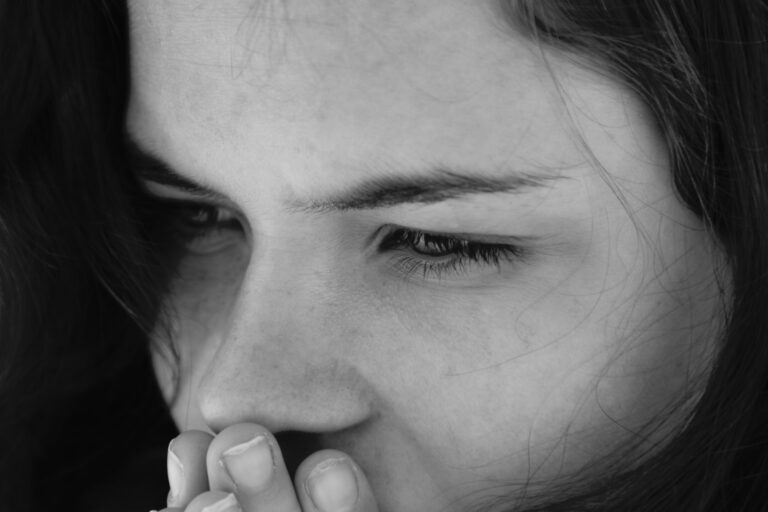
In a tight-knit community where childhood friendships often blossom into lasting bonds, one young woman finds herself caught in a troubling moral dilemma. She is 22 years old, navigating her own life while also being a steadfast friend to a 21-year-old woman she considers more family than just a best friend. They grew up together, sharing countless memories as their parents were also childhood friends. However, this seemingly idyllic backdrop hides a dark truth that could shatter their friendship.

The best friend’s family dynamic is complicated. Her parents are divorced, and while she maintains a close relationship with her father, her relationship with her mother is strained. Resentment toward her mother has created a rift, leading to her celebrating her father’s presence in her life. She frequently shares joyful moments with him on social media, posting pictures and stories about her dad, even expressing her excitement over the prospect of him becoming a grandfather as she plans to start her own family.
Unbeknownst to her, there is a deeply troubling secret that has lingered in the shadows for years. The narrator of this story, who prefers to remain anonymous, learned a horrifying fact in 9th grade: her best friend’s dad had violently attacked her own mother during their college years. This information came to light when she innocently asked if she could spend the night at her friend’s house, prompting an immediate and protective response from her mother. In that moment, she was sworn to secrecy—never to tell her friend or anyone else in their tight circle.
The situation escalated further when the narrator’s mother took her case to court, hoping to get justice. However, the best friend’s mother dismissed the allegations, unable to reconcile the image of her charming boyfriend with the horrendous actions he was accused of. The traumatic past resurfaced when the man faced legal issues later on, getting arrested for drug use and assault on another woman. It was only at that point that the narrator’s mother reconnected with her old friend, who finally believed her and the nightmare that had unfolded years ago.
Fast forward to the present, and the narrator finds herself in upheaval. Her best friend is elated at the thought of bringing a child into the world and is eager for her father to be a part of that journey, blissfully unaware of the monstrous truth lurking just beneath the surface. It weighs heavily on the narrator’s heart; she cannot comprehend how no one else seems to share her concern. The thought of her best friend exposing her future child to a potential threat feels unbearable.
In conversations with her mother, the narrator feels increasingly trapped. Her mom insists that the story is not hers to tell, and she knows that this sentiment is valid, but the stakes feel too high. What about her friend’s safety? What about the child’s welfare? The narrator wrestles with the idea that perhaps the truth deserves to be revealed, despite the potential fallout. She acknowledges that her friend might not believe her at first—after all, the accusations are uncomfortable and shocking. But with public records and court cases supporting the dark claims, the narrator wonders if withholding this information is an act of betrayal in itself.
Every time she sees her best friend’s social media posts celebrating her dad, the weight of the secret grows heavier. The narrator vacillates between wanting to protect her friend and believing that she deserves to know the truth about her father’s past, regardless of how it may affect their relationship. The thought of ruining the bond between her friend and her dad is an agonizing prospect, especially given that her friend has so little connection with her mother.
As she grapples with her thoughts and emotions, the narrator feels like she’s standing at a crossroads, unsure of which path to take. Should she step in and reveal the information she has, potentially shattering her friend’s world? Or should she keep quiet, allowing her friend to continue believing in the father she holds dear, despite the reality? The inner turmoil is palpable, and the narrator is left questioning whether she would be the antagonist in this situation for wanting to tell the truth.
More from Cultivated Comfort:
- 7 Vintage Home Items From the ’60s That Are Collectors’ Dream Finds
- 7 Vintage Home Goods That Became Collectors’ Gold
- 7 Fast-Food Chains That Changed for the Worse
- 7 Frozen Dinners That Were Better Back in the Day