Ten years ago, a person living in Brooklyn experienced what could only be described as a bizarre roommate situation that left them questioning their sanity. Living as the leaseholder in a four-bedroom apartment, they had plenty of room to grow their social circle, but they also found themselves dealing with some of the less-than-ideal aspects of young adult life. One of their roommates, whom we’ll refer to as “P,” presented herself as someone dealing with serious health issues, but as the story goes, things took a turn that left everyone involved scratching their heads.
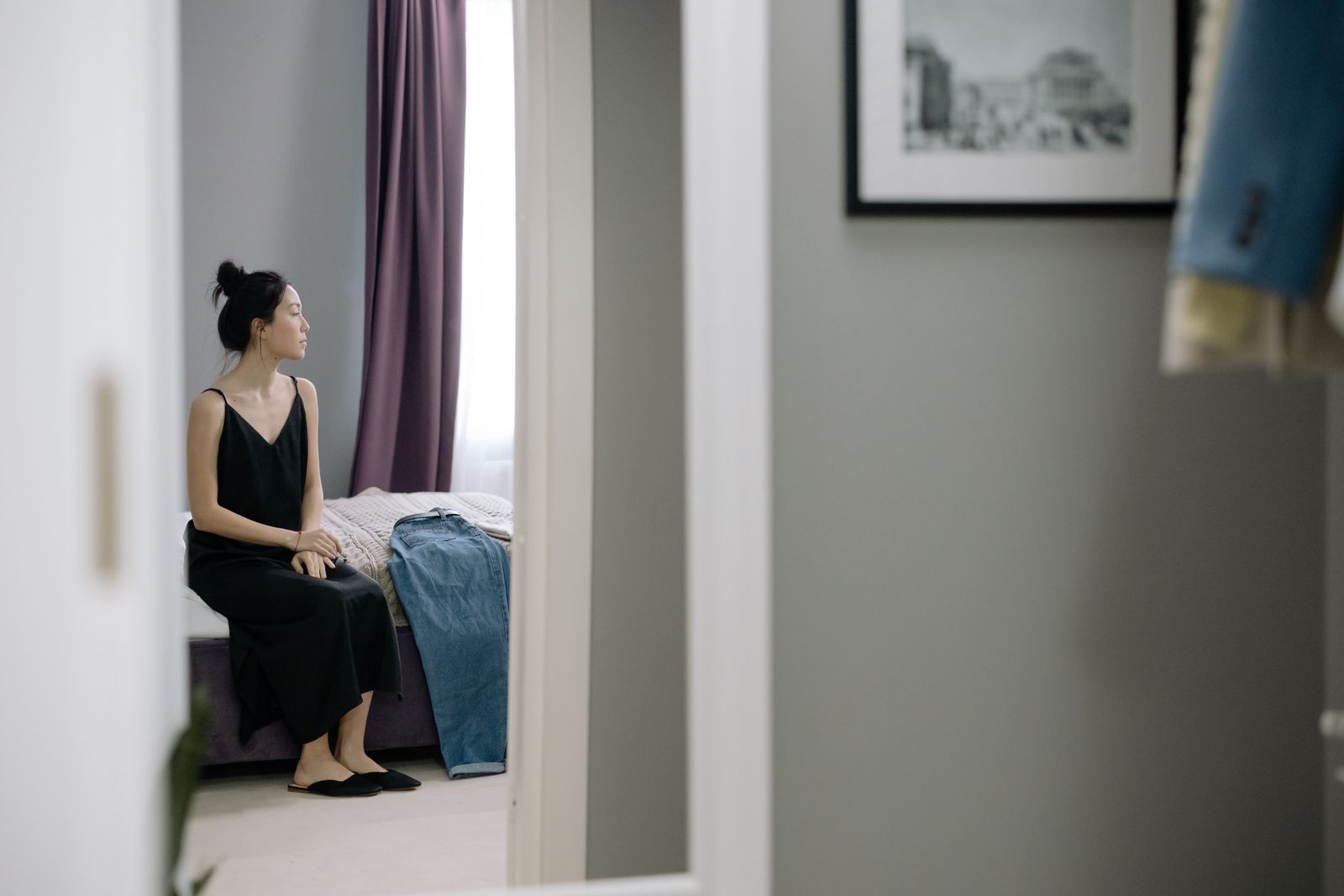
P had mentioned, early on in their living arrangement, that she was a cancer survivor who was in remission. It didn’t seem to be a big deal at first; after all, people have their struggles, and P appeared to be managing her life, albeit with the occasional health scare. For a while, things were relatively normal. The apartment was livable, and everyone seemed to get along, or at least tolerably so. However, it wasn’t long before P began to exhibit some unsettling behaviors.
One day, without warning, P vanished. A few days before the month was set to end, she sent a text that threw the apartment into chaos. “I have cancer again,” she wrote, “I will be staying with my boss. Can you cover my rent for a few weeks?” Naturally, this raised immediate concern for her well-being, and the leaseholder, despite their skepticism about the sudden onset of illness, agreed to cover her rent—at least for a while.
As the days went by, the leaseholder tried reaching out, but it was as if P had fallen off the face of the earth. Mid-month came, and there was still no sign of her. Frustration mounted and, with a mix of concern and annoyance, the leaseholder decided that it was time to set some boundaries. A firm message went out: if P didn’t respond by the last week of the month, her belongings would be disposed of and the room re-rented. It turns out that there was no need to wait for a response; the time for action had come.
Finally, the leaseholder mustered the courage to enter P’s room, and what awaited them was nothing short of a disaster zone. The state of the room could only be described as nightmarish. A broken mirror lay shattered across the floor like a scene from a horror movie. Cigarette butts littered the space as if a small fire had raged through it. The worst part? A contractor bag sat ominously in the corner, bursting at the seams with dirty dishes and rotting food. It was a biohazard waiting to happen, filled with a swarm of maybe 500 fruit flies that buzzed around their heads like a scene from a low-budget thriller.
At that point, it didn’t take long for the leaseholder to realize they had no choice but to dive into the DIY cleaning project of their life. Armed with duct tape, contractor bags, and bug killer, they fashioned an improvised biohazard suit and prepared for what would be a grueling ten-hour endeavor. It was all hands on deck as the leaseholder worked to vacuum up the fruit flies, bag up the trash, and sort through the designer clothes that were now just as good as garbage.
After what felt like an eternity, the room was finally clean. Twenty-five bags of trash and clothing were lined up on the curb, a testament to not only the chaos P had left behind but also the leaseholder’s resolve to reclaim some semblance of normalcy in their living space. Just when they thought the situation couldn’t get any crazier, a month later, another roommate approached with some shocking news.
“I saw P working at this trendy jewelry store in Manhattan,” the roommate said nonchalantly. “She looked perfectly fine.” The mind raced to comprehend this revelation. Had P staged her disappearance as a means of escape? Was the cancer story a mere cover for something else? The leaseholder was left with more questions than answers, wondering about the complexities of mental health and the actions of people living in urban chaos.
What had started as a concern for a sick roommate turned into a story of utter bewilderment and exasperating cleanup. Through it all, the leaseholder learned that not all stories have neat conclusions, especially when it comes to living with unexpected—and sometimes unstable—roommates.
More from Cultivated Comfort:
- 7 Vintage Home Items From the ’60s That Are Collectors’ Dream Finds
- 7 Vintage Home Goods That Became Collectors’ Gold
- 7 Fast-Food Chains That Changed for the Worse
- 7 Frozen Dinners That Were Better Back in the Day

As a mom of three busy boys, I know how chaotic life can get — but I’ve learned that it’s possible to create a beautiful, cozy home even with kids running around. That’s why I started Cultivated Comfort — to share practical tips, simple systems, and a little encouragement for parents like me who want to make their home feel warm, inviting, and effortlessly stylish. Whether it’s managing toy chaos, streamlining everyday routines, or finding little moments of calm, I’m here to help you simplify your space and create a sense of comfort.
But home is just part of the story. I’m also passionate about seeing the world and creating beautiful meals to share with the people I love. Through Cultivated Comfort, I share my journey of balancing motherhood with building a home that feels rich and peaceful — and finding joy in exploring new places and flavors along the way.