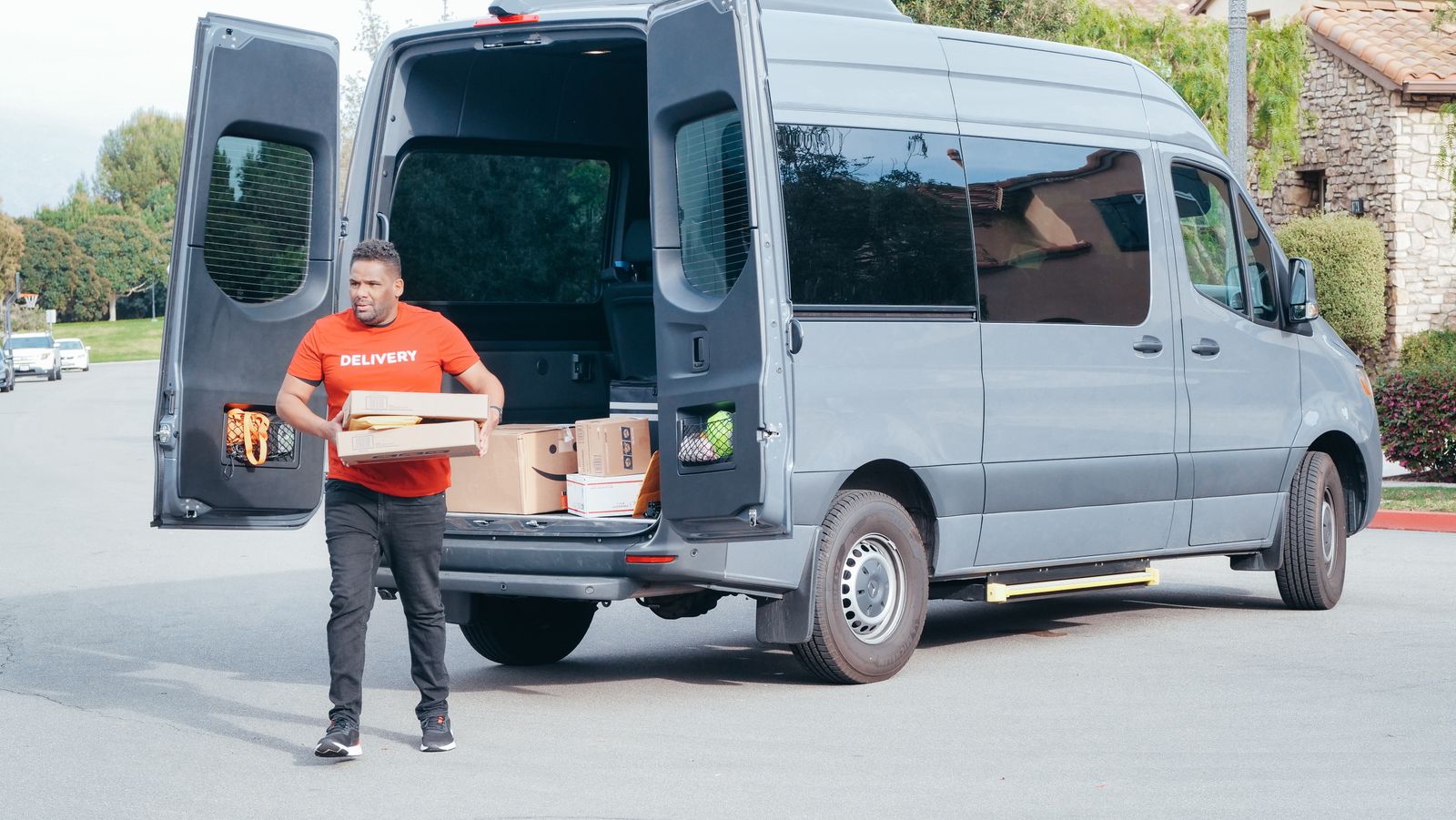
In a small town, there was a warehouse that once held HVAC equipment. It had served its purpose well for five years, but the company that leased it eventually outgrew the space and moved to a larger facility. Little did they know, their old address was about to become a comedic source of confusion for many unsuspecting customers.

After the move, things started off quietly. The former warehouse supervisor, let’s call him Mike, was relieved to have more room for his operations. However, a year later, the peace was disrupted when he received an unexpected phone call from a concerned lady. She claimed that the warehouse had shipped her a pair of earbuds that she didn’t order and was looking to return them. Mike was baffled; their inventory had never included earbuds. Curious, he asked her what address was listed on the package. Sure enough, it was the old warehouse address.
After verifying the situation, Mike asked the lady to send over a picture of the package. When he saw it, he couldn’t believe his eyes. The package bore their old address but had no indication of which company actually sent the earbuds. After a brief chat, he gently directed her to reach out to the new tenant of the warehouse to sort it all out. He thought the issue was just a fluke, but he was wrong.
A week later, another call came in. This time, it was a different item—perhaps jewelry or another small gadget. Mike had to repeat the same story all over again. It was clear something was seriously off with the delivery company that had taken over the old address. Determined to get to the bottom of the confusion, he took to Google, hoping to find the name of the company that had moved in. Surprisingly, there was no trace online.
Frustrated, Mike decided it was time to enlist the help of the landlord from the old warehouse. He fired off an email explaining that the delivery company was creating a chaotic situation by not putting their name or contact number on shipped items. He expected a quick resolution, but what he received left him scratching his head.
A few days later, the landlord responded. The delivery company had brushed him aside with a bewildering claim: they didn’t have phones. Just like that, the matter was left unresolved. Their suggestion? “If someone forgot they ordered something, tell them to throw it away.”
Mike couldn’t help but laugh at the absurdity. How could a delivery service operate with no phone number? Frustrated but resolved, he decided to take matters into his own hands. He wrote back to the landlord, expressing disbelief at the delivery company’s lack of accountability. All he wanted was for them to put their name and number on packages so he could stop receiving calls from confused customers.
The landlord’s response was equally dismissive, essentially suggesting that Mike should have Google remove any history associated with the old address. It was clear that the landlord didn’t have the power—or perhaps the will—to help resolve the situation. With his hands tied, Mike devised a plan.
Over the next three years, Mike kept receiving calls from people expecting to return random items. Each time, he would politely explain the mix-up and the fact that the delivery company had no contact information. But instead of leaving the callers in a lurch, he offered them something—an alternative contact. Mike gave out the cell number of his old landlord, the very person who had brushed him off. Each time he did this, he couldn’t help but chuckle at the thought of confused customers calling the landlord for support.
It was a petty act, sure, but Mike couldn’t resist the opportunity to share a little warmth from his frustration. He imagined the landlord on the other end of the line, puzzled and perhaps annoyed, trying to soothe the same confused callers who were just trying to return their misdelivered goods. And so, the cycle continued, with Mike averaging about one call each week, giving out the landlord’s number like a badge of honor.
In the grand scheme of things, it was a small victory—an exercise in light-hearted revenge against a company that refused to take responsibility. Mike found amusement in each caller, knowing his actions were somehow bringing a little chaos into the landlord’s life. And as the years rolled on, the delivery company continued to operate with its peculiar policies, while Mike was left with his own slice of workplace drama to reflect on.
More from Cultivated Comfort:
- 7 Vintage Home Items From the ’60s That Are Collectors’ Dream Finds
- 7 Vintage Home Goods That Became Collectors’ Gold
- 7 Fast-Food Chains That Changed for the Worse
- 7 Frozen Dinners That Were Better Back in the Day