Twenty-one point seven million. That’s how many Americans are projected to take an ocean cruise in 2026, according to AAA’s 2026 cruise forecast — up from 20.7 million just a year earlier, and part of a run that’s added roughly 4 million U.S. cruisers over the past three years. Nearly three-quarters of them are boarding for the same handful of Caribbean ports. The rest are chasing something colder, pricier, and squeezed into a much shorter calendar window: Alaska.
Why the Caribbean Still Wins
Seventy-two percent of U.S. cruise passengers are sailing to the Caribbean in 2026, per the same AAA forecast — a share so dominant it dwarfs every other region combined. Mediterranean itineraries pull in just 5%, and Alaska claims 7%, meaning the Caribbean is doing roughly ten times the volume of either. Peak season runs November through March, when snowbirds and holiday travelers crowd sailings out of Florida ports. But fares don’t really soften outside that window: summer Caribbean cruises, technically off-peak, still command strong prices because they line up with school breaks, when families with limited vacation flexibility are the ones filling cabins. It’s a rare case where a region’s off-season is defined by the calendar of its passengers rather than the weather at the destination — the ships, ports, and beaches barely change season to season, but who’s booking them does.

Alaska’s Short Season, Long Price Tag
Alaska’s cruise season runs roughly April through October — about six months, against the Caribbean’s near year-round calendar — and that compression is exactly why it commands premium pricing. Cruise lines have fewer weeks to fill a comparable number of berths, so demand concentrates instead of spreading out across twelve months. The result: even though Alaska accounts for only 7% of U.S. cruise passengers, per-passenger spending on those sailings tends to run well above Caribbean averages, a function of both the itinerary’s remoteness and its compressed operating window.

Who’s Actually Booking These Cruises
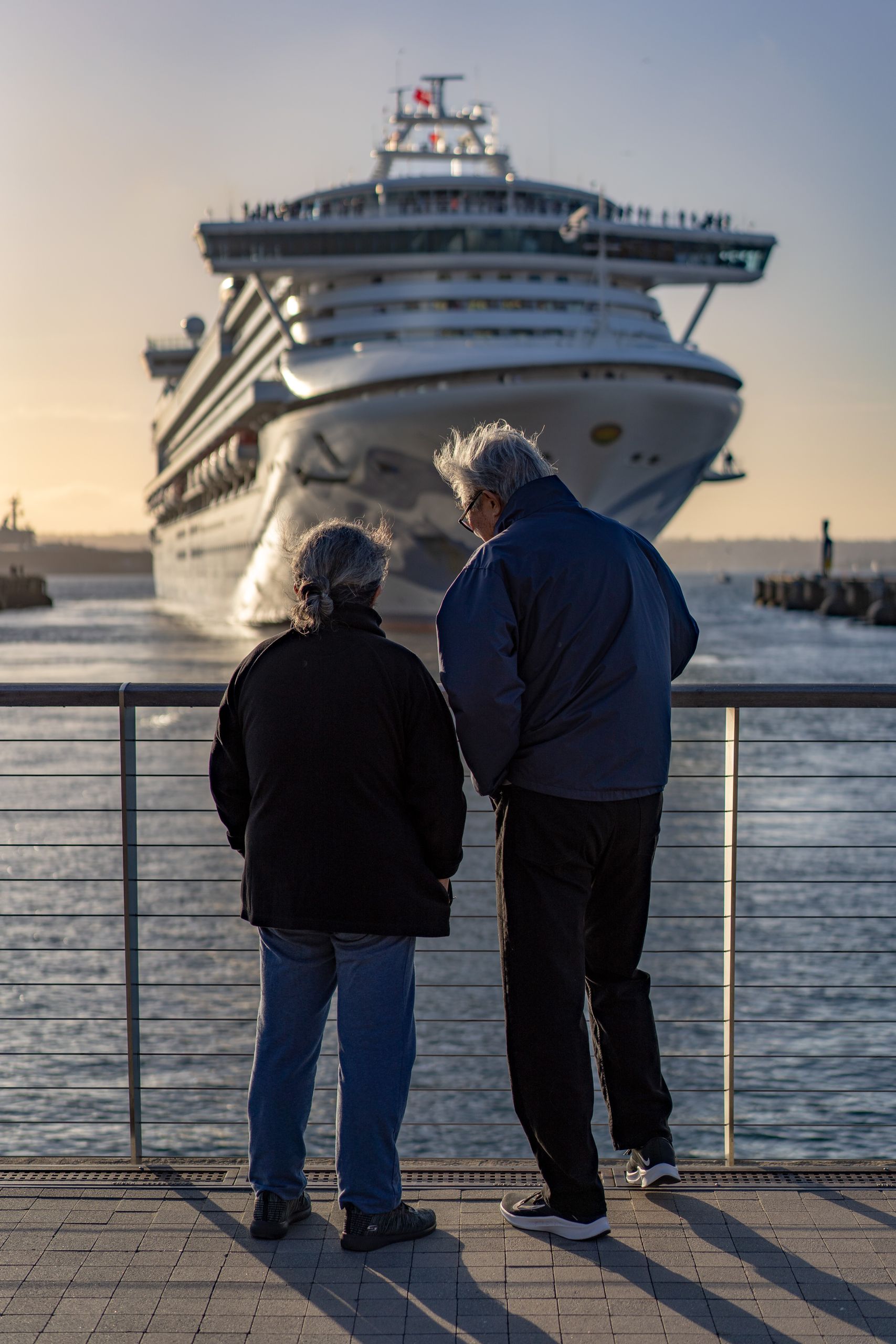
The typical 2026 cruiser looks less like an adventurous newcomer and more like a repeat customer. Sixty-five percent of U.S. cruise passengers are 55 or older, while just 7% fall between 18 and 34, according to AAA’s breakdown. Close to half are traveling as couples, one in five is bringing kids along, and 7% are going solo. What’s notable isn’t so much who’s cruising as how often they’ve done it before: 91% of them have taken multiple cruises, and 90% rate their most recent trip as very good or good. That satisfaction rate is high enough to explain why growth keeps compounding instead of plateauing. “These numbers reflect the growing demand for ocean cruises among U.S. travelers,” said Stacey Barber, vice president of AAA Travel.
The Bigger Picture
The U.S. numbers track a global pattern. Worldwide, 37.2 million people cruised in 2025 — a record — according to CLIA’s 2026 State of the Cruise Industry Report, and 90% of those passengers said they intend to sail again, the highest repeat-intent figure the association has recorded. Roughly a third of today’s cruisers are under 40, and about a third of all bookings are now multigenerational trips spanning grandparents to grandkids on the same itinerary. CLIA counts 325 member ocean-going ships operating in 2026, split close to evenly between small, medium, and large vessels — capacity built to match demand that shows no sign of cooling.
What the Growth Is Worth
The demand isn’t just a passenger count — it’s a line item in the broader economy. Cruising generated $75 billion in U.S. economic impact and supported 333,000 American jobs, according to CLIA’s report, which also puts the industry’s U.S. wage contribution above $25 billion and its direct contribution to GDP at $41.4 billion. Globally, that scales to $198 billion in economic impact and 1.8 million jobs. Those figures explain why port cities and cruise lines alike keep expanding capacity rather than treating the current surge as a temporary spike: the infrastructure being built now — new terminals, larger ships, longer itineraries — assumes the 21.7 million figure is a floor, not a ceiling.
What these numbers describe isn’t really a boom so much as a habit forming at scale. Cruising used to get pitched as a once-in-a-while splurge; a 91% repeat-booking rate suggests it’s becoming a default vacation format for a specific kind of traveler — one who wants the Caribbean’s reliability for most of the year and is willing to pay Alaska’s premium for the handful of weeks when a glacier is worth the extra cost.