Delta and Southwest both raised their checked-bag fees by $10 this year, joining United, JetBlue and American in a round of fee hikes that’s pushed the real cost of flying with luggage higher across nearly every major U.S. carrier, according to CNBC’s reporting on the changes.
Key Points
- Delta and Southwest each raised first-checked-bag fees by $10, part of an industry-wide pattern following similar hikes at United, JetBlue and American.
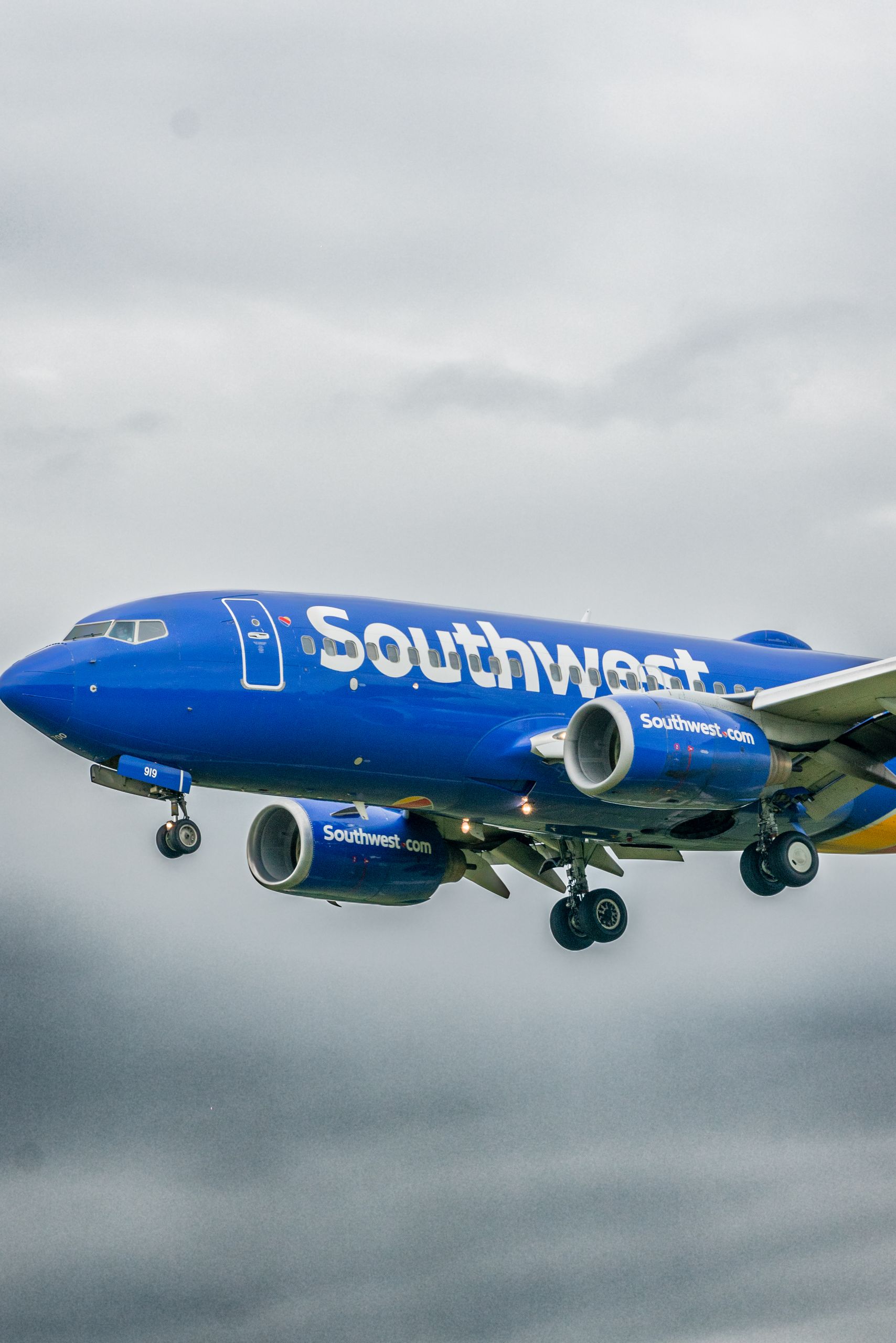
- Southwest’s fee increase marks a bigger shift for the airline, which ended its long-standing free-checked-bag policy in 2025 before raising the new fee further this year.
- A typical first checked bag now runs in the $35-$40 range at most major carriers when booked in advance, with higher fees for a second bag or for paying at the airport.
- For a family of four checking one bag each, the fee increases alone can add well over $100 to the round-trip cost of a single trip.
The increases are arriving as airlines lean more heavily on ancillary fees — baggage, seat selection, priority boarding — to supplement ticket revenue, a strategy that has become standard across the industry over the past decade. Southwest’s shift is the most symbolically significant of the group: free checked bags were a defining part of the airline’s brand for nearly two decades before the policy ended.
For travelers booking fall trips, the fee changes mean the advertised base fare increasingly understates the real cost of flying. A bag fee that adds $70 round-trip for a single traveler, or well over $100 for a family checking multiple bags, can meaningfully shift which airline actually offers the cheapest total trip once fees are factored in, even if its base fare looked lower at first glance.
Travelers looking to avoid the increases have a few standard options: booking bags in advance online rather than at the airport, where fees typically run higher, checking whether a co-branded airline credit card waives the first-bag fee, or packing light enough to stick to a single personal item or carry-on where the airline’s size limits allow it.
The fee changes also make it worth comparing total trip cost rather than base fare alone when booking. Ultra-low-cost carriers built their pricing model around unbundling fees years ago, but the recent hikes at legacy and low-cost carriers alike mean the gap between a “cheap” advertised fare and the real cost of a trip with checked luggage has narrowed across nearly the entire industry, not just at the airlines historically known for surcharges.
For travelers who fly only occasionally, the fee increases may not change much about how they book. For frequent travelers and families, though, the cumulative effect across several trips a year adds up quickly, which is part of why airline loyalty programs and co-branded credit cards that waive bag fees have become a bigger part of airlines’ retention strategy even as base fares stay competitive.