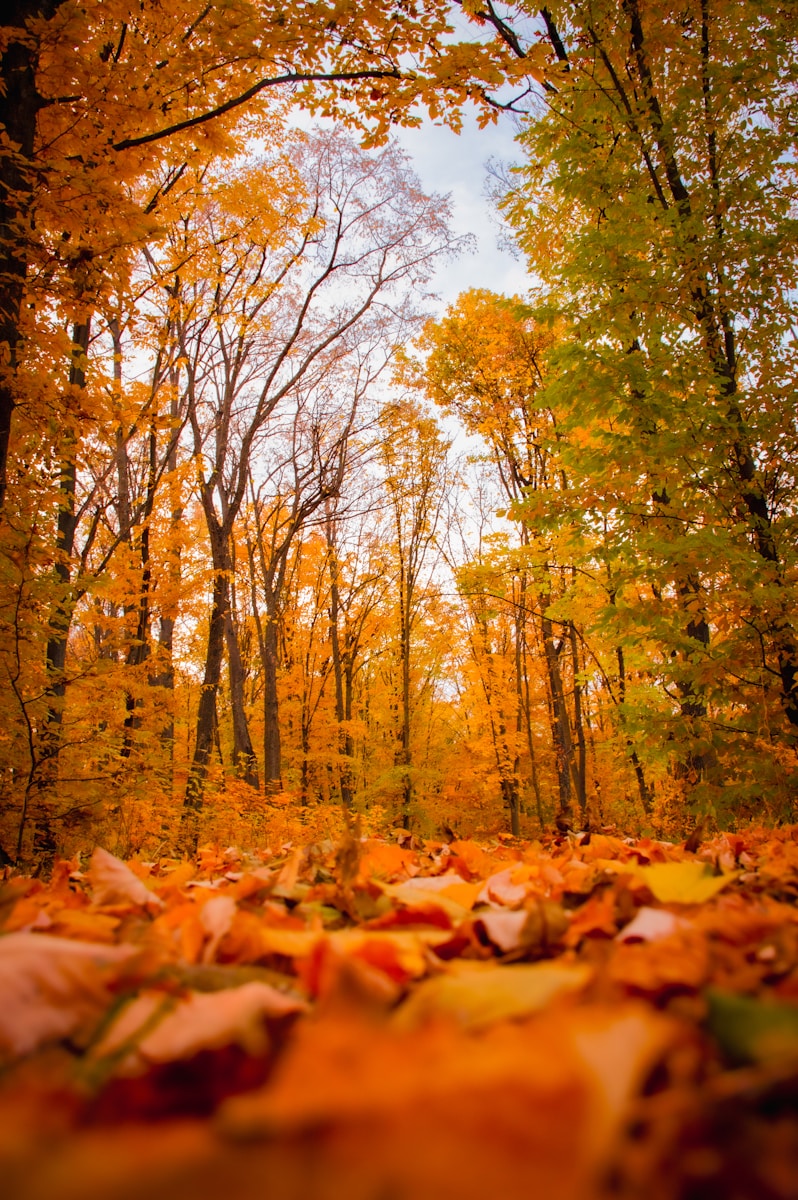
Fall foliage doesn’t peak on the same weekend twice in a row, and it definitely doesn’t peak on the same weekend in Vermont as it does in Tennessee. State tourism agencies track it anyway, using decades of ranger reports, elevation data and weekly color surveys to narrow the window down to a specific stretch of days for each region. Below is a region-by-region breakdown pulled straight from the tourism boards and park services that track this for a living, so you can time a trip instead of guessing at one. Every region below moves on the same underlying clock — shorter days and cooler nights trigger the chlorophyll breakdown that reveals the reds, oranges and yellows already hiding in each leaf — but latitude and elevation shift exactly when that clock starts ticking from state to state.
- Vermont & the Green Mountains — last week of September into early October. Vermont’s official tourism board tracks color moving north to south each year, with the Northeast Kingdom and higher elevations turning first in mid-September. By early October, most of the state hits peak or slightly past it, and the southern counties typically hold color a week or two longer than the mountains up north.
- New Hampshire — White Mountains first, Seacoast last. Visit NH’s own weekly foliage reports show a similar north-to-south, high-to-low pattern: the White Mountains and Great North Woods transition into late-autumn color first, while the Lakes Region and Seacoast hold vivid reds and golds into late October. Plan the mountains for late September through early October, and save the Seacoast for two to three weeks after that.
- Pennsylvania — a six-week wave from the PA Wilds to Philadelphia. Visit PA maps out one of the longest peak windows of any state: the PA Wilds in the north turn in late September, the Poconos follow in early-to-mid October, and central Pennsylvania peaks in the following weeks. Lancaster County and Philadelphia don’t hit their best color until late October into early November.
- Michigan — the Upper Peninsula first, the Lower Peninsula weeks later. Pure Michigan’s fall color map describes peak color beginning in the northern Upper Peninsula and unfolding southward through the Lower Peninsula as the season progresses. That north-south lag typically runs two to three weeks.
- The Smoky Mountains & East Tennessee — high elevations first, valleys last. TNVacation, Tennessee’s official tourism site, puts peak color at elevations above roughly 4,000 feet in late September to early October, while the valley floors around Gatlinburg don’t peak until mid-to-late October. West Tennessee stretches into early-to-mid November.
- The Blue Ridge Parkway & Western North Carolina — a slow roll from ridgeline to river valley. The corridor along the Blue Ridge Parkway, which crosses some of the highest elevations in the Eastern United States, typically sees color start above 5,000 feet in late September before working down toward Asheville and the river valleys through mid-to-late October. The elevation range along this single stretch of road is wide enough that visitors can often find near-peak color somewhere along the parkway across a four-to-five week window just by adjusting altitude.
Line all six up and the same rule holds everywhere: elevation and latitude decide the calendar, not the state line. The mountains always go first, the valleys and coastal regions always follow two to four weeks behind, and every state above tracks that shift closely enough to publish it as a weekly report. Pick your elevation before you pick your weekend, and the leaves tend to cooperate. If your first-choice weekend gets rained out or the color runs early, the fix is almost always the same: drop south, drop in elevation, or both, and you’ll usually find the peak you missed waiting a state or two away.
Weather in any given year can shift these windows by a week in either direction — a dry, mild September tends to delay peak color and mute the reds, while an early cold snap can accelerate the whole calendar. That’s exactly why state tourism boards update these reports weekly through the season rather than publishing one fixed date each fall, and it’s worth checking the specific state’s page again the week before a planned trip rather than relying on last year’s dates alone.