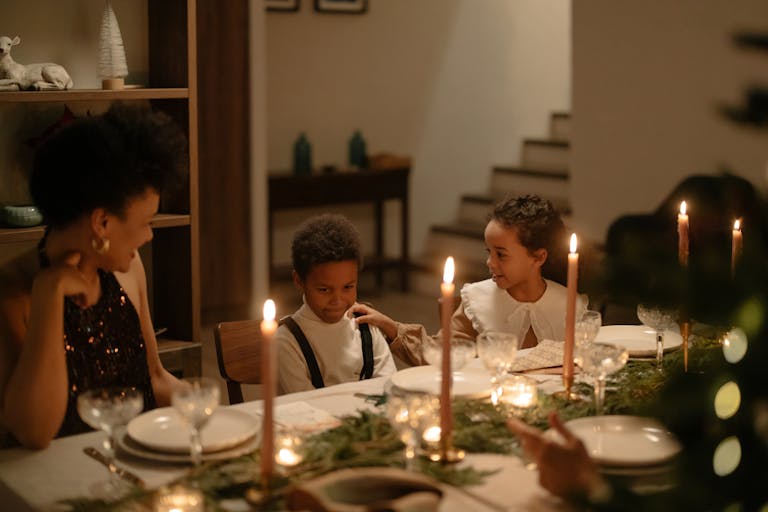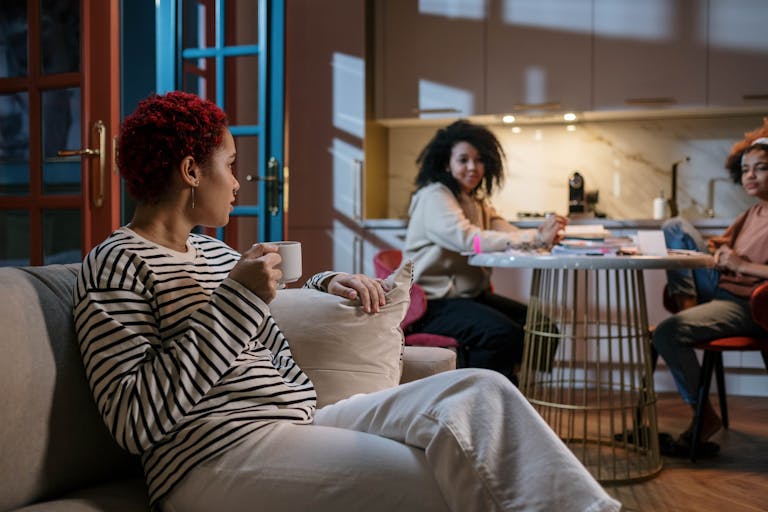
Only 2.4% of the family-relationship research published in the field’s leading journal over the past four decades has focused on siblings, even though siblings are, for most people, the longest-running relationship of their entire lives. That gap is the starting point for a special issue of the Journal of Social and Personal Relationships, published in January 2026, compiling more than 24 new studies specifically on how sibling bonds function and change from early childhood through old age.
The 2.4% figure comes from a companion analysis in the same journal, which combed through 2,151 articles published since 1984 and found just 41 examined sibling relationships among human populations, according to the study’s authors, Karina Cahill and Kimberly Updegraff. That’s part of why researchers Sarah Killoren and Nicole Campione-Barr describe the relationship as “understudied” in their introduction to the special issue, even as the collected research shows sibling bonds shift more across adulthood than most people register while it’s happening.
The pattern researchers keep finding is that sibling relationships actually improve with age, not decline. A review of the research by Iowa State University’s Megan Gilligan, published separately in the Journal of Family Theory and Review and summarized on ResearchGate, found that conflict and parental favoritism tend to run lower in adulthood than they did in childhood or adolescence. The review calls sibling ties “the longest-lasting relationships in most people’s lives.”
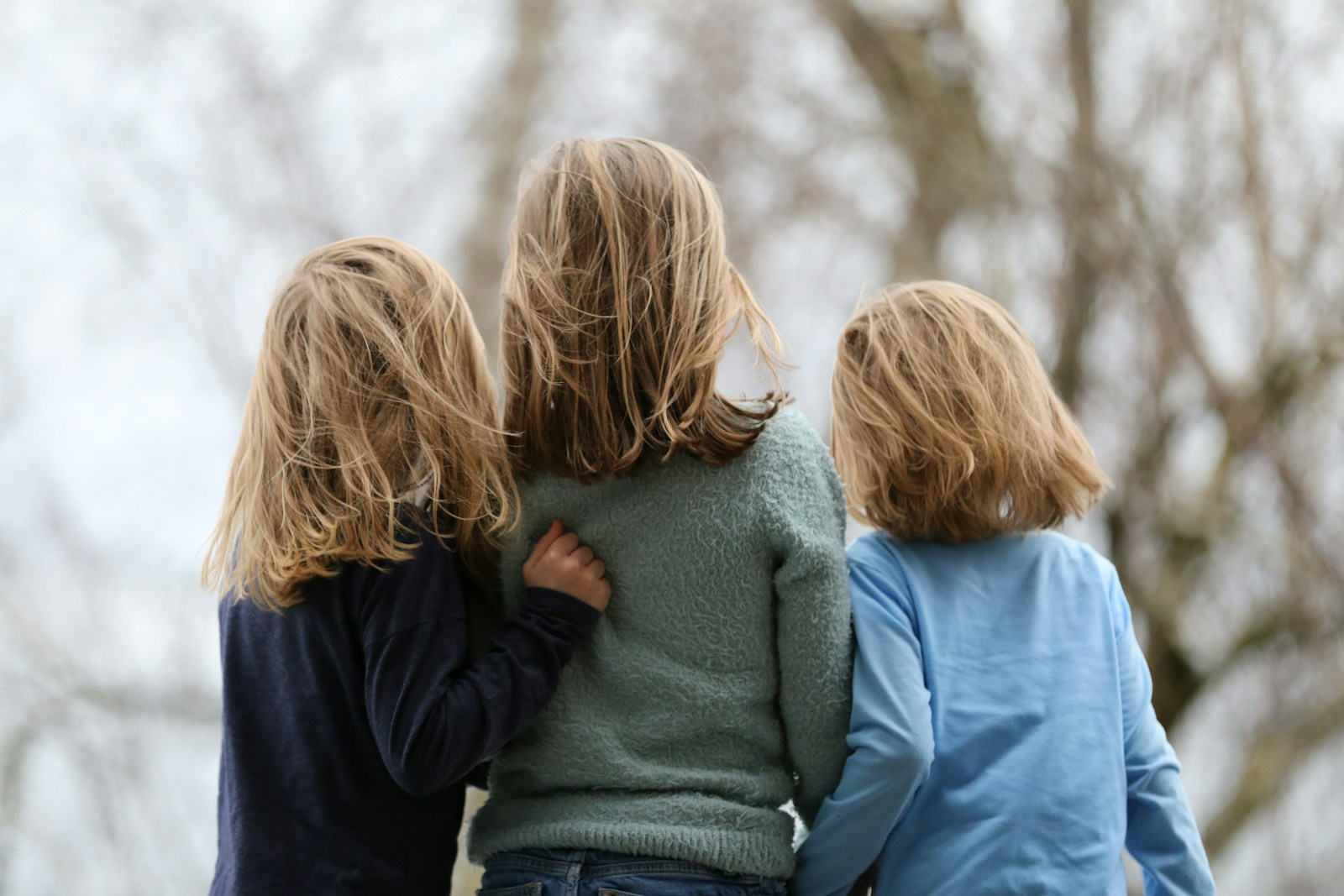
That doesn’t mean every sibling relationship evolves the same way. Gilligan’s review found sister-sister pairs consistently report the closest bonds and exchange the most support of any sibling gender combination, while contact frequency depends heavily on life stage rather than affection alone. Major life disruptions complicate the picture further — some research finds sibling closeness drops after a parent’s death, while other studies found that dip is often temporary.
What makes this such a distinctly adult story is the direction of change. Sibling relationships run the opposite trajectory from most family relationships researchers study: less parental influence and less enforced proximity as people grow up seems to correlate with less conflict, not more, and the relationship tends to settle into something calmer and more chosen than it was when two kids were forced to share a bedroom.
The special issue’s 24-plus studies cover how cultural values shape sibling obligation, how sibling relationships function for LGBTQ+ adults, how twins negotiate identity, and how grief after losing a sibling differs from other family bereavement, according to Killoren and Campione-Barr’s introduction.
The 2.4% figure is really the headline underneath the headline. Researchers are only now building a body of evidence substantial enough to describe how much sibling relationships actually shift across a lifetime, and what they’re finding is that the shift is real, largely positive, and shaped less by choice than by the simple accumulation of decades.
Part of why the research gap persisted so long comes down to how family studies has traditionally been funded and organized. Grant priorities and academic departments have historically centered on parent-child attachment and marital relationships because those bonds are more directly tied to child development outcomes and public health funding streams, while sibling relationships, despite their longevity, haven’t had an equivalent institutional home pushing for sustained study. The 2026 special issue represents an attempt to correct that by consolidating researchers scattered across psychology, sociology, and family studies departments into a single coordinated body of work.
For adults trying to make sense of their own sibling relationships against this research, the practical takeaway is less about any single finding and more about the trajectory itself: closeness and conflict in a sibling relationship at 25 say relatively little about what that same relationship will look like at 55, since the forces that shaped it in childhood — shared bedrooms, parental attention, sibling rivalry over the same resources — largely fall away by then, leaving room for a relationship that gets renegotiated on its own terms.
That’s a genuinely different message than most people carry about family relationships, where the assumption tends to run the other way: that early patterns set a template a relationship never fully escapes. Sibling bonds, on the current evidence, appear to be the exception to that rule more often than the confirmation of it.