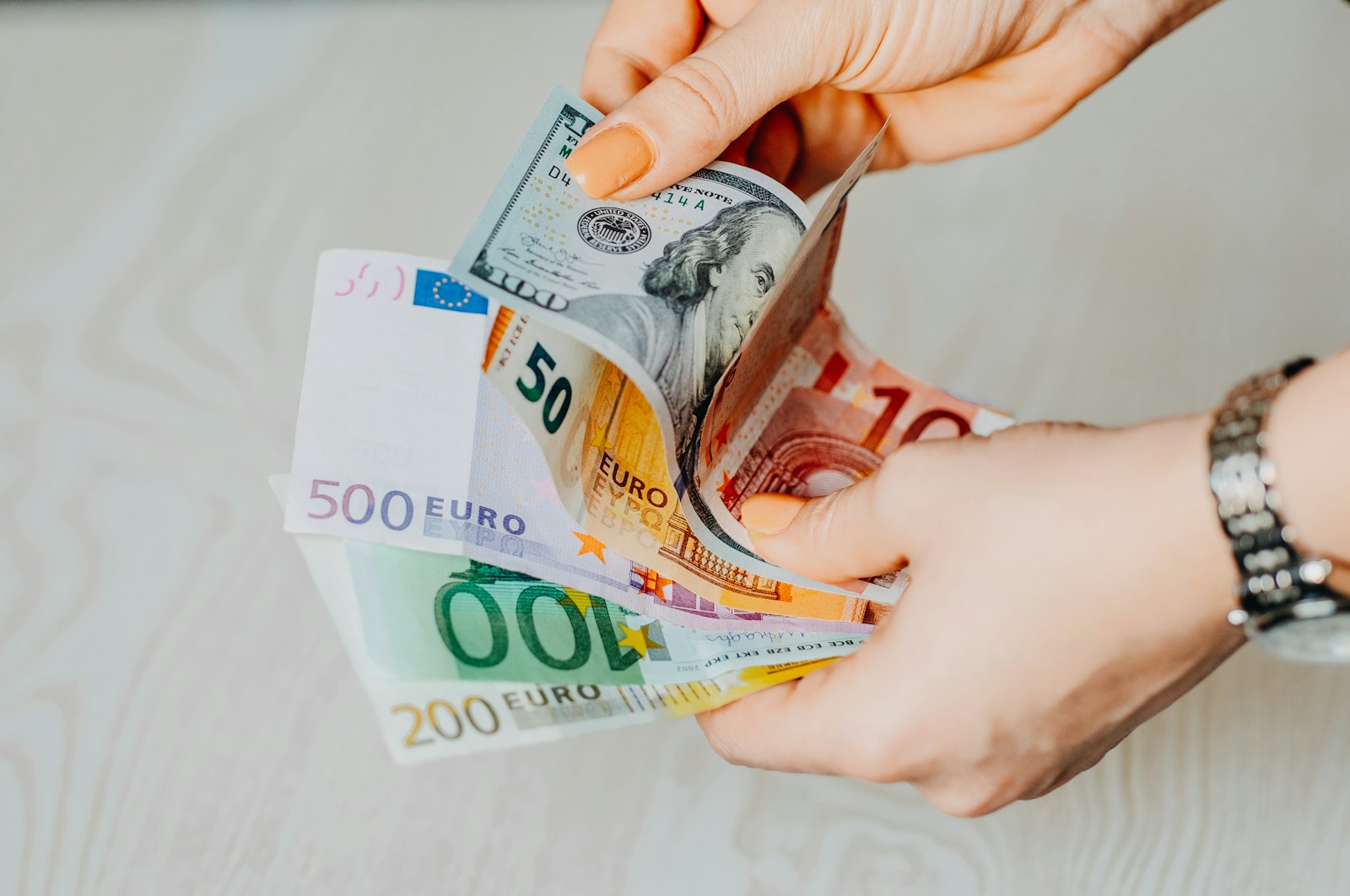
One euro now costs $1.17, according to the Federal Reserve’s H.10 foreign exchange release. That’s a meaningful shift for anyone planning a European trip this fall, and it’s moving in the opposite direction of what a lot of travelers still assume based on last year’s near-parity headlines.
Key Points
- Current rate: 1 euro = about $1.17, per the Federal Reserve Bank of St. Louis’s DEXUSEU series, last updated August 21, 2026
- That’s up from roughly $1.03 per euro in January 2025 — the euro has gained about 13% against the dollar over the past year and a half, per exchange-rates.org’s 2025 historical data
- The euro hit its 2025 high of $1.19 in mid-September before settling into the $1.15-$1.17 range it’s held through this summer
- Economists had predicted the opposite: in late 2024, Wells Fargo and Capital Economics both forecast the dollar reaching or beating parity with the euro in 2025
Back in November 2024, the outlook for American travelers looked very different. NBC Washington reported that economists expected a strong dollar to noticeably boost U.S. tourists’ purchasing power in 2025, and for a few months, that held — the euro briefly touched $1.03 in January. It didn’t last. The euro has climbed roughly 13 cents against the dollar since then, and Federal Reserve data shows it’s stayed in that stronger range through this summer.
The practical effect shows up fast once you start pricing a trip. A hotel room listed at €180 a night ran about $185 back when the dollar was near parity; at today’s rate, the same room costs closer to $211 — an extra $26 a night before you’ve unpacked a bag. A €50 dinner for two that would have cost roughly $51.50 now runs about $58.50. Even something as small as a €10 metro day pass in Paris or Rome now costs about $11.70 instead of $10.30, and those differences compound fast across a week-long itinerary.
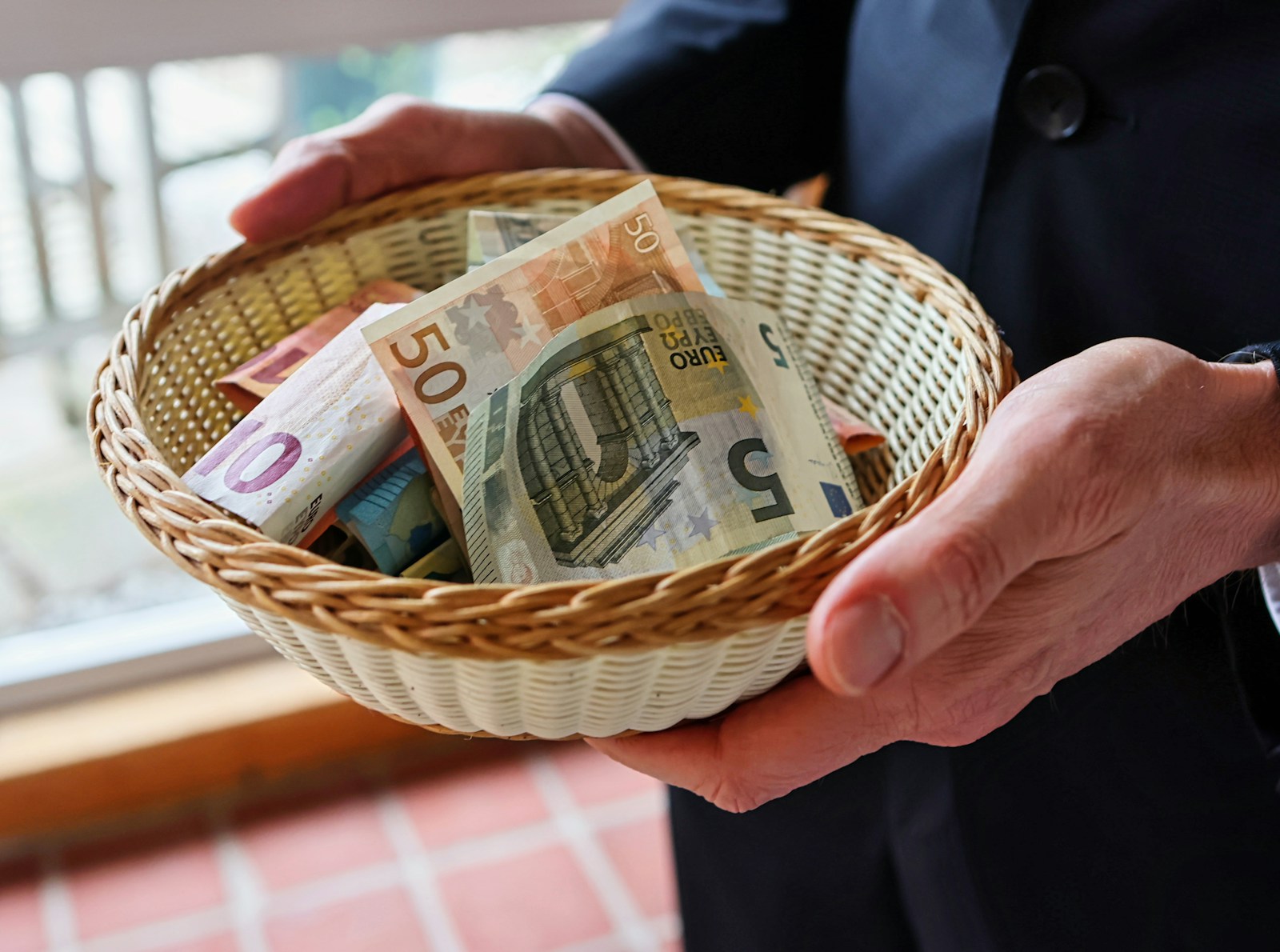
None of this makes European travel unaffordable — it just erases the bargain that was widely advertised for 2025. Booking accommodations and museum tickets in advance locks in prices before further currency swings, and paying in local currency rather than accepting a merchant’s on-the-spot dollar conversion typically avoids an added markup of 3% or more. The rate moves week to week, so anyone booking a fall trip is wise to check the Fed’s H.10 release again closer to departure rather than budgeting off last year’s numbers.