South Korea has eased eligibility rules for its digital nomad visa, cutting the income requirement roughly in half for younger applicants and extending the maximum stay from two years to three, according to the Korea Herald’s report on the Ministry of Justice’s announcement.
The visa, officially designated F-1-D and nicknamed the “workation” visa, launched on June 30, 2026, capping a pilot program that ran from January 2024 through May of this year. The Ministry of Justice announced the revised rules in early July.

Key Points
- Maximum stay extended from 2 years to 3 years
- Applicants ages 18-34 living outside the Seoul metro area now qualify at just 1x Korea’s per-capita gross national income (about $36,963 in 2025), down from 2x under the pilot program
- Eligible applicants must be at least 18 and employed by a foreign company for a year or more, or a business owner able to work remotely
- Family members of the visa holder are also eligible to accompany them
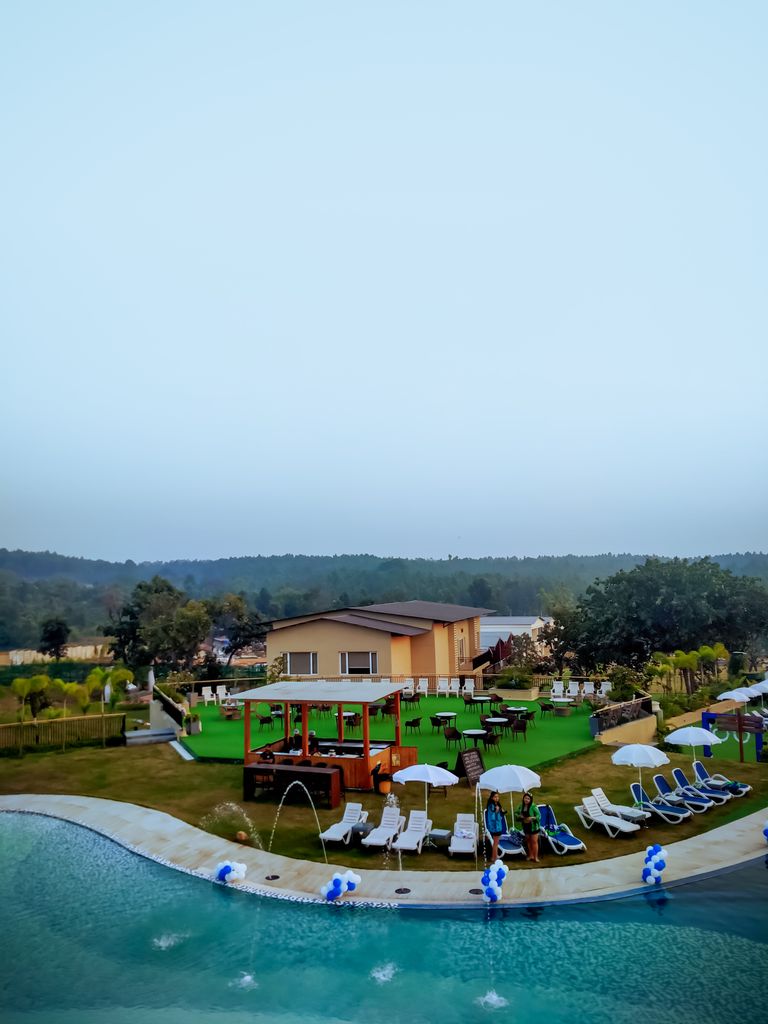
The lower threshold specifically favors applicants willing to live outside Seoul, in regions the government has flagged for population decline. That’s a deliberate design choice: South Korea is trying to use remote workers as a small counterweight to the outmigration hollowing out its smaller cities and provinces, rather than adding more demand to an already crowded capital.
In the ministry’s own announcement, Justice Minister Jung Sung-ho said the visa “is intended to expand opportunities for creative talent from around the world to experience South Korea,” according to the Korea Herald. The broader eligibility rules confirm the shift: applicants can qualify either as employees of a foreign company or as business owners who can prove their work is fully remote, according to a separate summary of the launch from Erickson Immigration Group, an immigration law firm tracking the rollout.
For remote workers who found the pilot program’s income bar unreachable, the math has changed enough to be worth a second look, particularly for anyone open to living somewhere other than Seoul for a few years. Applications are processed through Korea’s existing visa system, with the three-year stay renewable rather than a one-time window.
Applicants who don’t qualify for the reduced regional threshold still face the general requirement of roughly 2x Korea’s per-capita GNI, which put the pilot program’s bar out of reach for a lot of freelancers and early-career remote workers even in countries with strong currencies. The new tiered system effectively creates two paths into the same visa: a lower bar tied to age and location, and the original, higher bar for everyone else. That structure puts Korea’s program more in line with competing digital nomad visas in countries like Spain and Portugal, which similarly use income floors well below what a mid-career professional earns.