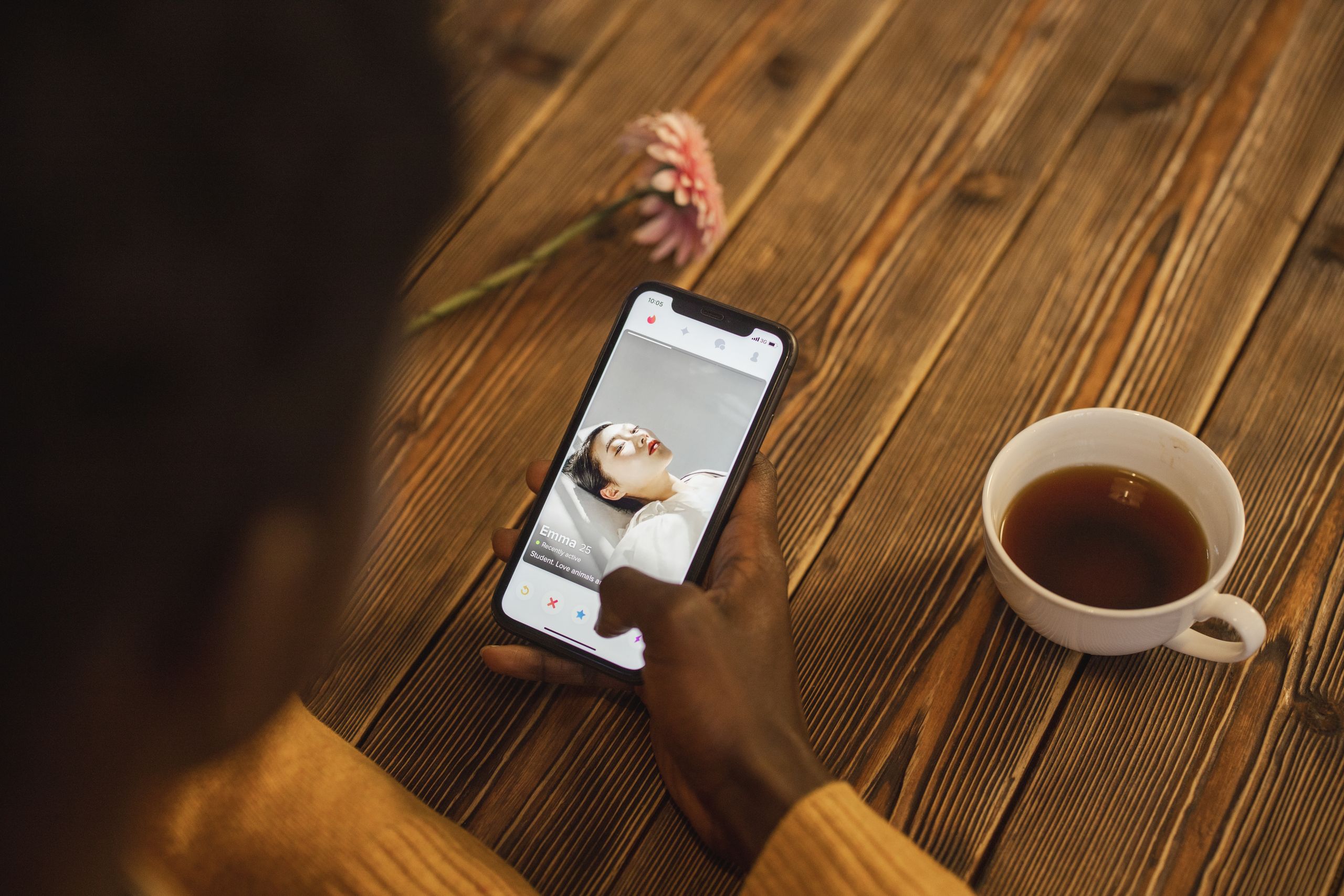
Tinder is expanding mandatory facial verification to additional U.S. states after early data showed a 60% drop in user exposure to potential bad actors and a more than 40% decline in bad-actor reports in places where the feature already runs, according to Match Group’s own October 2025 announcement. The feature, called Face Check, requires new users to submit a short video selfie that confirms they’re a real, physically present person and that their face matches their profile photos. It’s already mandatory in California and in Canada, Colombia, India, Australia, and several Southeast Asian markets. Match Group says it plans to roll Face Check out to more U.S. states in the months ahead, and to bring it to sister apps Hinge, Match, and OkCupid starting in 2026, according to reporting from The Record.
The mechanics matter here more than they might seem to. Video selfies are deleted immediately after verification; what Tinder retains is an encrypted, non-reversible face map used only to catch duplicate accounts and flag the same face resurfacing under a new identity. That’s the piece aimed squarely at catfishing and romance fraud: an app can now tell, mathematically, when one person is running three profiles under three names, without ever storing a photo a hacker could steal.

“Safety is an essential part of the Tinder experience,” Match Group CEO Spencer Rascoff said in the company’s announcement, calling the expansion “responsible innovation that builds trust.” Yoel Roth, Tinder’s head of trust and safety, went further, describing Face Check as “perhaps the most measurably impactful trust and safety feature I’ve seen in my 15-year career.”
Why the timing isn’t a coincidence
Romance scams cost Americans $1.14 billion in reported losses in 2023 alone, across more than 64,000 reports, according to the Federal Trade Commission. The median loss per victim, $2,000, is higher than for any other type of imposter fraud the FTC tracks. Some scammers work through direct messages on social media, the FTC notes, but a significant share operate through dating apps themselves, building trust over weeks before asking for money tied to a fabricated medical emergency, legal problem, or crypto investment opportunity.
Those numbers only capture losses people reported and could quantify. They don’t capture the more common and harder-to-measure damage: users who match with someone, invest emotional energy in a conversation for days or weeks, and eventually discover the profile photos belonged to someone else entirely. Facial verification is a blunt tool against that specific failure mode, since it makes it far harder to build a profile around a stolen or AI-generated photo set and expect it to hold up.

It’s also a business signal. Tinder disclosed a 7% drop in paying subscribers in 2024, part of a broader slump across Match Group’s portfolio as younger users report growing fatigue with swipe-based dating and skepticism about who’s actually on the other end of a match. Trust, in other words, has become a retention problem as much as a safety one. An app people don’t believe is largely genuine humans is an app people eventually stop paying for.
Other apps aren’t standing still either. Bumble and Hinge have both leaned on their own layers of photo and ID verification in recent years, and the broader identity-verification industry has been racing to keep pace with a separate, newer threat: AI-generated faces convincing enough to fool a static photo check. That’s part of why Face Check’s design leans on a live video selfie rather than a single uploaded image. A short video makes it far harder to fake liveness with a generated image or a photo of a photo, which is precisely the kind of low-effort fraud a simple upload-and-approve system struggled to catch.
What it means for daters
For users, the practical upshot is straightforward: a “Photo Verified” badge tied to Face Check carries more weight than the selfie-verification badges dating apps have offered for years, because it’s checking against a persistent biometric signature rather than a one-time photo comparison. It won’t stop every bad actor, and no verification system is airtight against a determined scammer. But it raises the cost of running fake profiles at scale, and it’s arriving industry-wide rather than as a single app’s experiment. When the largest dating app in the country makes a face scan mandatory rather than optional, and rivals start signaling they’ll follow, the baseline expectation for what “verified” means on a dating profile shifts for everyone, whether or not their app of choice has caught up yet.