
Shoulder season used to be a reliable trick: wait until after Labor Day, and hotel and flight prices would fall on their own. Not this year. Across the top 10 U.S. destinations, fall lodging is running about 20% higher and flights about 2% higher than summer prices, according to Expedia’s Fall 2026 Travel Outlook. But the trend isn’t uniform everywhere. Expedia’s own booking data flags three mountain towns where real savings survived — Aspen, Anchorage, and Bozeman — each still discounting fall travel enough to notice, even as the broader market moved the other direction.
The pricing shift lines up with a bigger pattern in how Americans are booking fall trips: demand keeps concentrating on the same familiar top-10 list of U.S. destinations, and that concentrated demand is exactly what’s pushing lodging prices there 20% above summer rates instead of the usual seasonal dip. Travelers willing to look one tier past the most-searched cities are the ones finding the outlook’s steepest discounts.
1. Aspen, Colorado — 45% combined savings
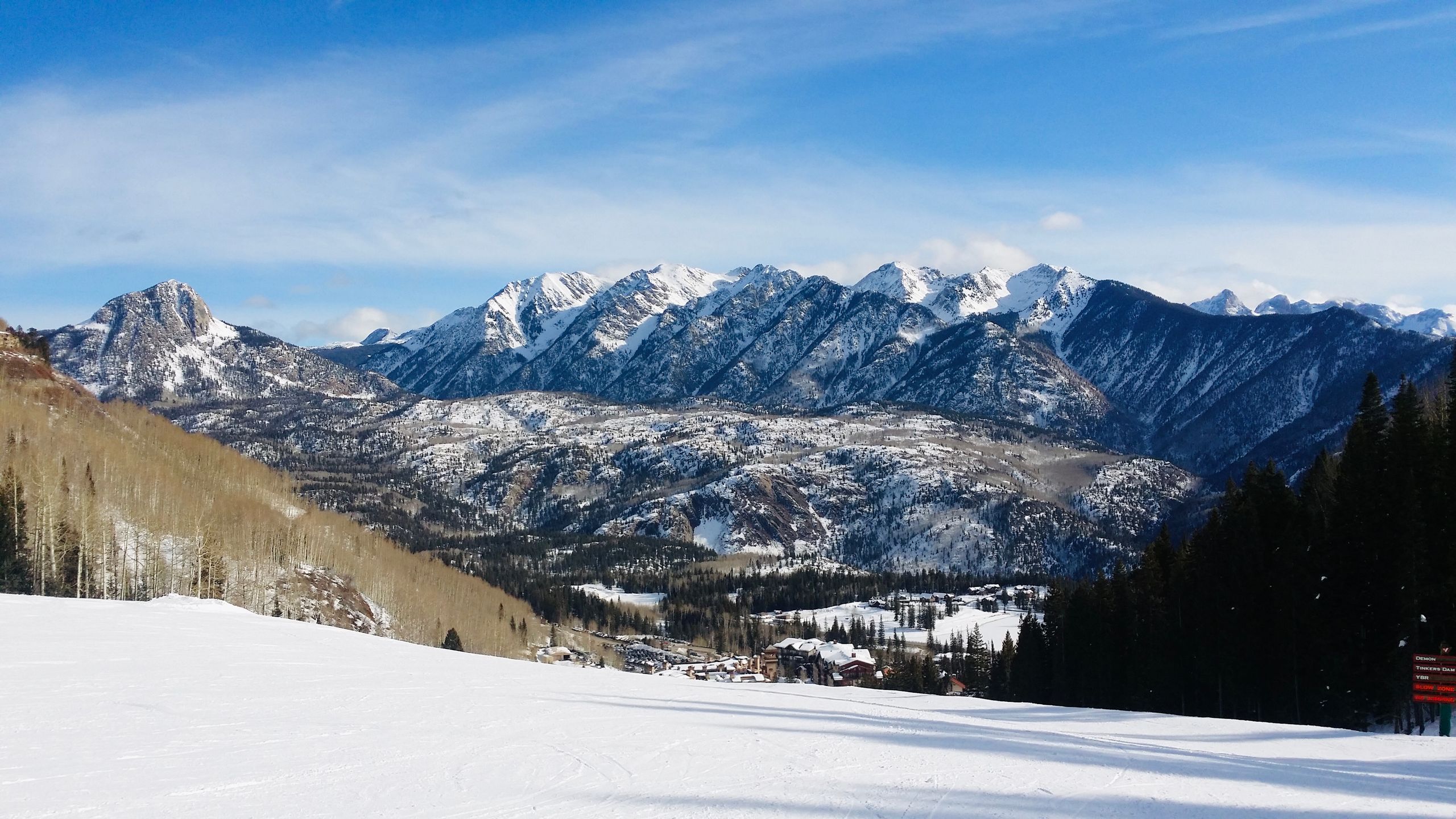
Aspen posted the steepest markdown of any destination in Expedia’s outlook: lodging and flights together run about 45% cheaper for fall travel (September 7 through November 26) than they did over summer (May 25 through September 7), Expedia’s data shows. The timing works in travelers’ favor. Aspen sits in the narrow window after summer hiking crowds thin out and before ski season drives winter rates back up, when the town still delivers what Expedia’s outlook describes as “peak mountain drama, cool weather, and a polished alpine feel” without the price tag of either peak season. For a town best known for four-figure winter suite rates, a 45% fall discount is not a small thing.

2. Anchorage, Alaska — 40% combined savings
Anchorage isn’t far behind, with combined lodging and flight savings of roughly 40% across that same fall window. Alaska’s cruise season winds down in September, taking a large share of summer visitor traffic with it, which helps explain why prices ease so sharply once autumn sets in — even as the state offers golden foliage, crisp air, and dramatic northern landscapes that Expedia’s outlook singles out as some of the season’s best scenery. For travelers chasing aurora viewing or a quieter look at the state’s mountains and glaciers before winter fully arrives, the discount lines up with genuinely good timing rather than an off-peak compromise.
3. Bozeman, Montana — a smaller but real discount
Bozeman’s combined savings are more modest, at roughly 5% for fall versus summer travel, which reflects how popular the Montana gateway town has become as a year-round draw for Yellowstone visitors and outdoor travelers. Even so, any savings sets Bozeman apart from destinations where fall prices climbed instead of falling this year — and the town still delivers what Expedia’s outlook calls “rugged scenery, laid-back downtown energy, and early fall color,” at rates that undercut its own summer season rather than matching it.
How the beach alternatives compare
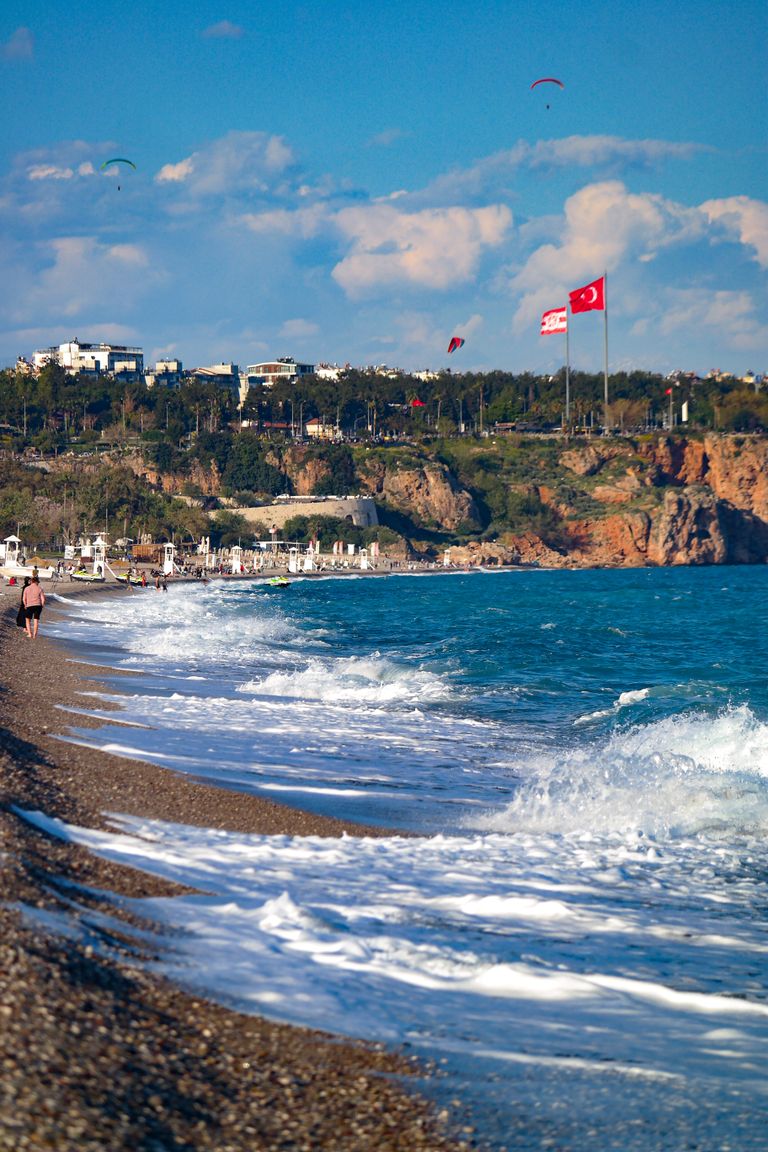
Expedia’s outlook rounds out its list of six featured value destinations with three coastal picks — Fort Walton Beach, San Diego, and Honolulu — and the gap between mountains and beaches is wide. Fort Walton Beach shows the strongest coastal discount at roughly 30% combined savings, San Diego comes in around 15%, and Honolulu trails at roughly 10%, according to a breakdown of the same Expedia data. Across all six destinations combined, average savings land around 25%, but the framing differs by coast versus mountain: the beach picks let travelers “extend the summer season while potentially paying less,” while the mountain towns reward travelers embracing autumn outright, with cooler weather and changing leaves as part of the appeal rather than a trade-off.
Why mountains are beating the beach this year
“Shoulder season is not a given this year, but value is still out there if travelers know where to look,” said Melanie Fish, head of public relations for Expedia Group Brands, in the company’s Fall 2026 Travel Outlook. Her comment underscores a shift from years past, when nearly every U.S. destination discounted predictably after summer — this year, the savings are concentrated in specific places rather than spread evenly across the map, and the mountain towns are where that concentration shows up most dramatically.
The pattern across all three mountain towns is consistent: destinations tied to a hard seasonal cutoff — ski season, cruise season, foliage season — tend to discount the most once that cutoff passes, while year-round draws and coastal destinations barely move. For fall travelers willing to chase the calendar instead of the map, that gap between “average” shoulder season and these three towns is exactly where the real deal is hiding.