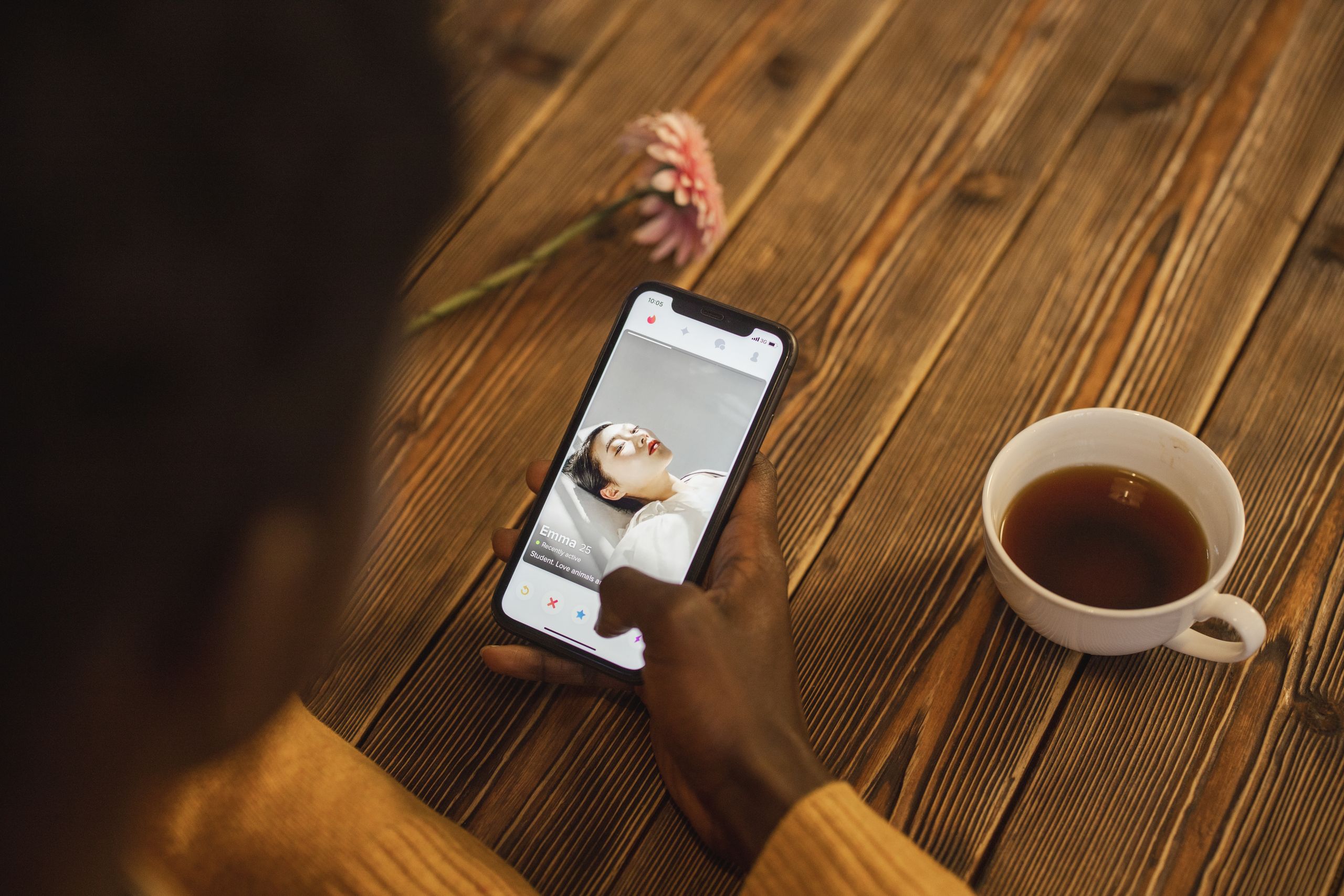
Dating apps used to have a shelf life measured in relationships. Increasingly, they have one measured in weeks. Mobile analytics firm AppsFlyer’s 2025 App Uninstall Benchmarks Report found that dating apps had the highest uninstall rate of any app category tracked in 2024, with 57.8% of people who found an app organically — meaning they searched for and downloaded it themselves, not through an ad — deleting it within 30 days. Among users who arrived through paid advertising, the uninstall rate climbed to 62.4%. Whatever people are hoping to find when they download a dating app, most of them decide within a month that this particular app isn’t going to be the one that delivers it.
What the Data Actually Shows
The AppsFlyer report tracks uninstall behavior across major app categories — gaming, finance, shopping, dating, and more — and dating apps topped the list for the second year running. Notably, the gap between organic and paid-acquisition uninstall rates was the smallest of any category the report measured, just under 7 percentage points, which suggests the drop-off isn’t really about how someone found the app. People sign up already primed to leave quickly if the app doesn’t deliver, regardless of whether a friend recommended it or an ad caught their attention. AppsFlyer’s analysts specifically pointed to what they called “the so-called divorce between Gen Z and dating apps” as a factor keeping the category at the top of the uninstall list.
Burnout Is a Documented, Measurable Problem
A separate survey commissioned by Forbes Health and conducted by OnePoll among 1,000 U.S. adults who had used a dating app in the past year found that 78% experienced burnout — defined as emotional, mental, or physical exhaustion — sometimes, often, or always while using dating apps. That burnout was highest among millennials at 80%, with Gen Z close behind at 79%, Gen X at 78%, and baby boomers lower at 70%. It was also more common among women (80%) than men (74%). The Forbes Health survey found the leading causes were straightforward: 40% cited an inability to find a good connection, 35% cited disappointment in the people they met, and 27% cited feeling rejected. Beyond those top three, respondents also pointed to love bombing (27%), gaslighting (26%), repetitive conversations (24%), and plain swiping fatigue (22%) — the repetitive, low-reward mechanic that defines how most of these apps work in the first place. Roughly a fifth also cited the sheer time commitment of the apps (21%), being cheated on by a match (21%), and the burden of maintaining a profile across multiple apps at once (18%).
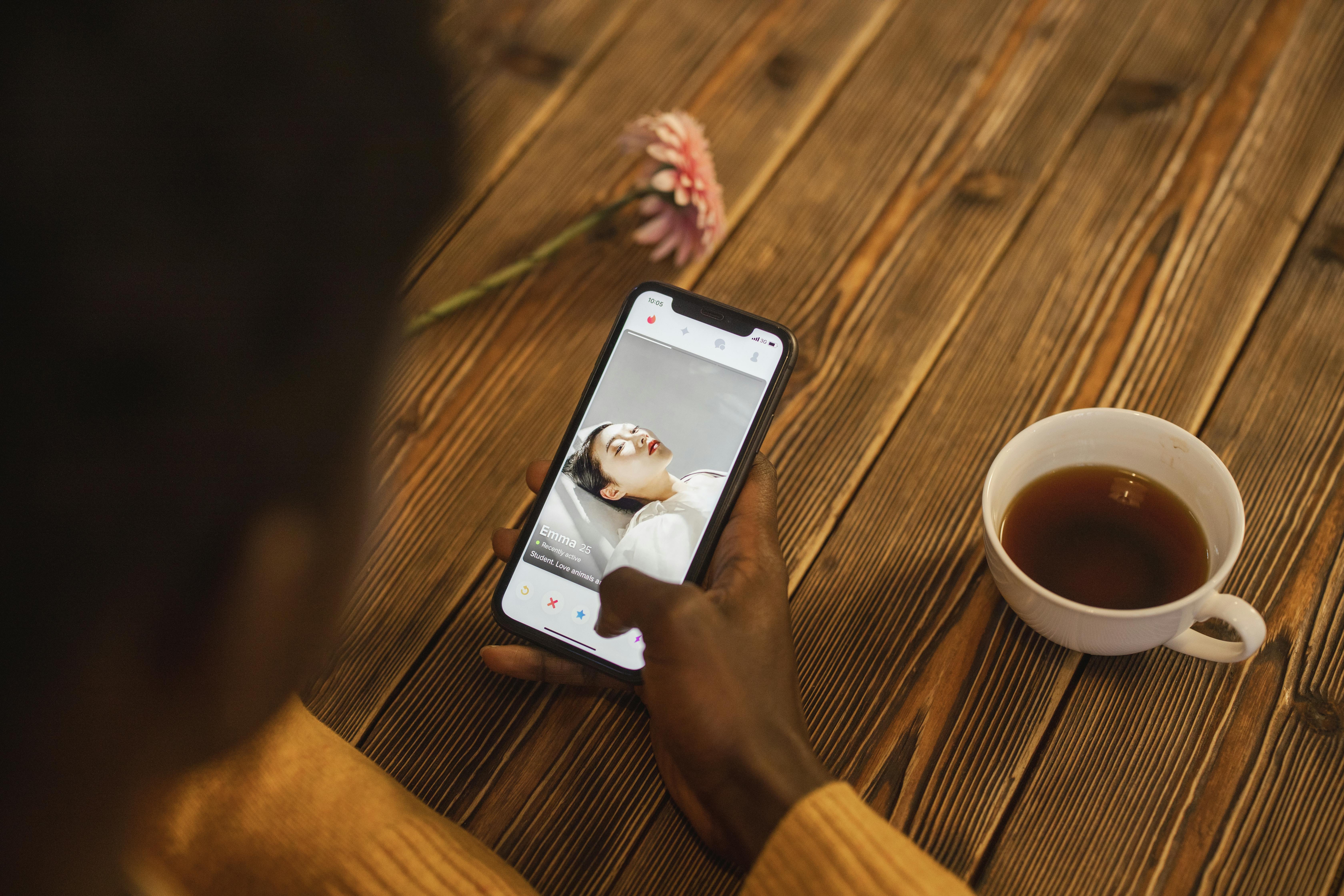
The same survey found real damage to how people feel about themselves along the way: 41% of respondents reported being ghosted and 38% reported being catfished. Dr. Melissa Spann, a licensed therapist quoted directly in the Forbes Health report, said people experiencing this kind of burnout are “exhausted from constantly meeting new people, failing opportunities and lies,” and that the pattern can cause daters to “lose hope in the dating process” altogether. Not every finding was negative — a notable share of users also said the apps made them feel confident (39%), attractive (33%), or wanted (24%) at least some of the time, which helps explain why so many people keep coming back to try a new app even after deleting the last one.
Why the Drop-Off Happens So Fast
What connects the uninstall data to the burnout data is timing. People aren’t spending months slowly souring on a dating app before deleting it — AppsFlyer’s 30-day window shows the exit happening almost immediately, often before a person has had much chance to meet anyone at all. That points to a mismatch between expectation and early experience: someone downloads an app hoping for connection, encounters the friction the Forbes Health survey documents within the first few uses, and decides the cost isn’t worth continuing to pay. Deleting the app becomes less a dramatic breakup with online dating altogether and more a quick, low-stakes reset, with many of the same people likely to redownload a different app, or the same one, a few months later — which helps explain why the positive feelings and the burnout statistics can coexist in the same population without contradicting each other.
What This Pattern Says About Dating Right Now
Taken together, the two data sets describe a dating culture that treats apps as disposable tools rather than long-term platforms — downloaded in a burst of motivation, abandoned once the emotional cost outpaces the payoff, and picked back up later without much loyalty to any single app in between. That’s a meaningfully different relationship with these platforms than existed a decade ago, when sticking with one app for months or years was the norm. The uninstall button has become as central to the modern dating app experience as the swipe itself.