
Tropical Storm Dolly spun up in the Atlantic on August 27, took aim at the Leeward Islands — and fell apart within about 24 hours, done in by dry air and El Niño-driven wind shear before it ever reached land. The National Hurricane Center now gives Dolly’s remnants just a 10% chance of redeveloping over the next week, and the agency’s attention has already shifted to a separate, unnamed disturbance forming in the Gulf. If you booked a Labor Day flight south and started panic-refreshing airline apps this weekend, you can stand down. But the reason this almost-storm is worth your attention isn’t Dolly itself — it’s the rebooking mechanism it briefly triggered, because that mechanism is still live for whatever comes next.
When Dolly’s track still pointed at the northeast Caribbean, WestJet moved fast. The airline’s advisories desk flagged the storm as it approached the Leeward Islands and made rebooking flexibility available on itineraries touching the region, before the system had even strengthened past tropical-storm status. That’s standard practice for WestJet, not a one-off: the carrier’s official change and cancellation policy states plainly that “cancellation fees are waived when a flexible change/cancel policy is in effect under a travel advisory,” and that the added flexibility applies to flights booked directly through WestJet — UltraBasic fares included, which normally carry the airline’s strictest change rules.
Key Points
- Tropical Storm Dolly formed August 27 and dissipated within roughly a day; the NHC puts redevelopment odds at just 10% as of its latest outlook.
- WestJet activated flexible change/cancel terms for itineraries in Dolly’s projected path while the storm still threatened the Leeward Islands, Virgin Islands, Puerto Rico, and Hispaniola.
- The airline’s advisories page currently shows no active Caribbean weather advisory — check it directly before you fly, since it updates in real time.
- NOAA’s 2026 season outlook calls for a below-normal Atlantic season overall, but peak months run August through October — meaning more systems are likely before hurricane season closes November 30.
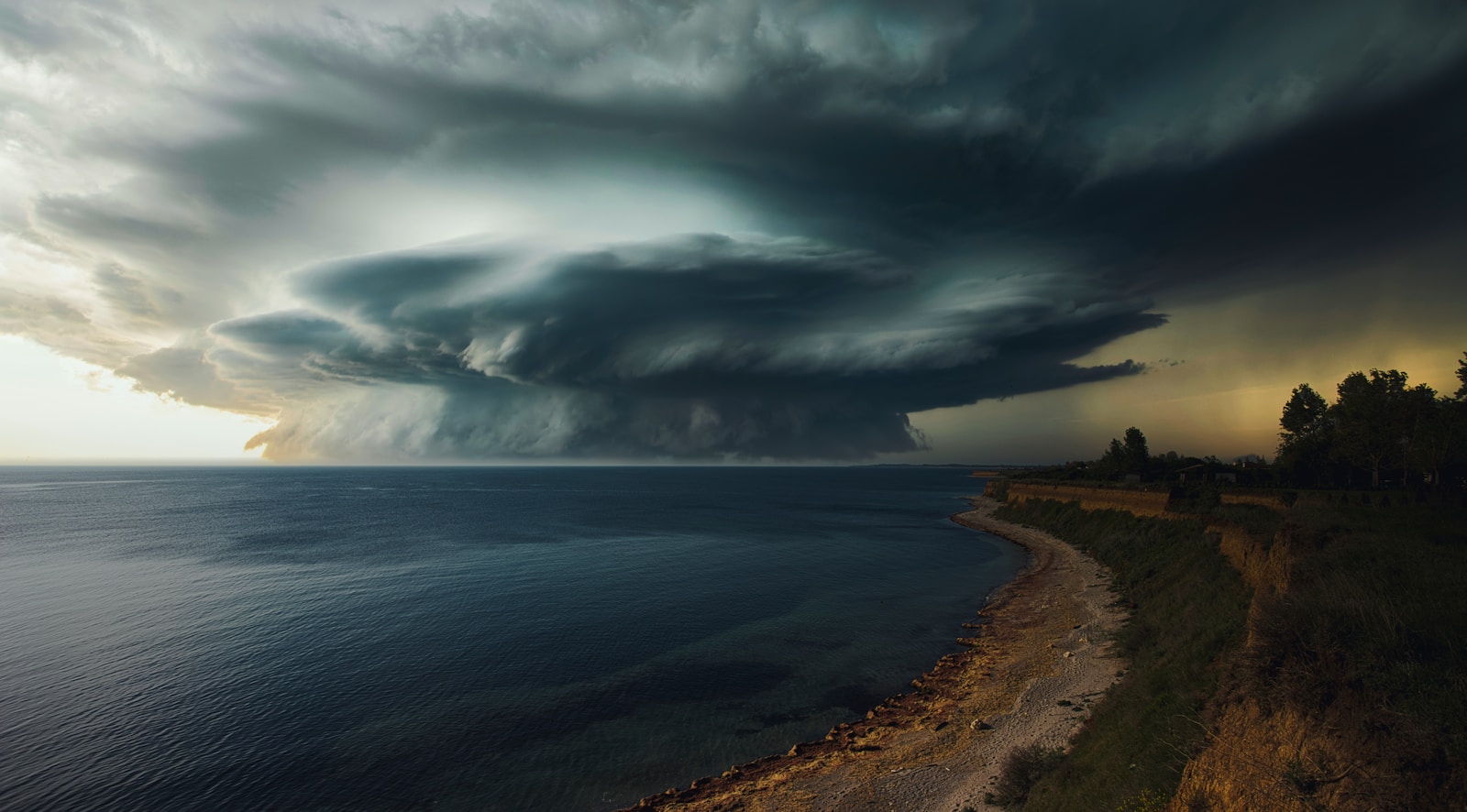
That real-time-updating advisories page is the part worth bookmarking, not screenshotting today. A storm that falls apart in 24 hours doesn’t mean the season did. NOAA’s forecasters — while calling for a below-normal year with an estimated 8 to 14 named storms, 3 to 6 hurricanes, and 1 to 3 major hurricanes — have been explicit that “below-average” doesn’t mean “storm-free.” As NOAA administrator Neil Jacobs put it in the agency’s own seasonal outlook, “it only takes one.” Category 5 landfalls have happened in years the models graded as quiet.
So the practical move if you’ve got a September or October trip booked into the Caribbean, Mexico, or Florida on WestJet: don’t wait for a news alert. Check the advisories page in the days before you fly, since that’s where the airline posts fee waivers the moment a system gets close enough to matter — often before it’s even reached hurricane strength. The waiver window opened for Dolly within a day of the storm forming, which tells you how low the bar is for the airline to trigger it. That’s the pattern to watch, not any single storm’s name.