
John Gottman’s research team can predict whether a couple will eventually divorce with more than 90% accuracy after watching them talk for only a few minutes, a finding that held across seven separate longitudinal studies conducted at the Gottman Institute. What separates the couples headed for divorce from the ones who stay together for decades isn’t whether they argue. By the Institute’s own count, about 69% of the problems couples fight about are “perpetual” — rooted in basic differences in personality or needs that never fully resolve. What actually predicts longevity is what happens in the sixty seconds after voices start to rise: whether somebody in the room attempts a repair, and whether the other person lets it land.
Fighting Was Never the Real Problem
For years, popular relationship advice treated conflict itself as the warning sign — the assumption being that happy couples simply argue less. Gottman’s data says otherwise. Because most recurring arguments are about unsolvable, temperament-level differences rather than fixable logistics, couples who never fight are not necessarily the healthiest ones; they may just be the ones who’ve stopped bringing things up. The Institute’s long-running research instead sorts couples by two very different failure patterns. Couples who fall into what Gottman calls the Four Horsemen — criticism, contempt, defensiveness, and stonewalling — tend to divorce relatively early, an average of about 5.6 years into marriage, according to the Institute’s research summary. Couples who avoid open conflict but grow quietly disengaged from each other divorce later, around 16.2 years in, on average — later, but just as reliably.
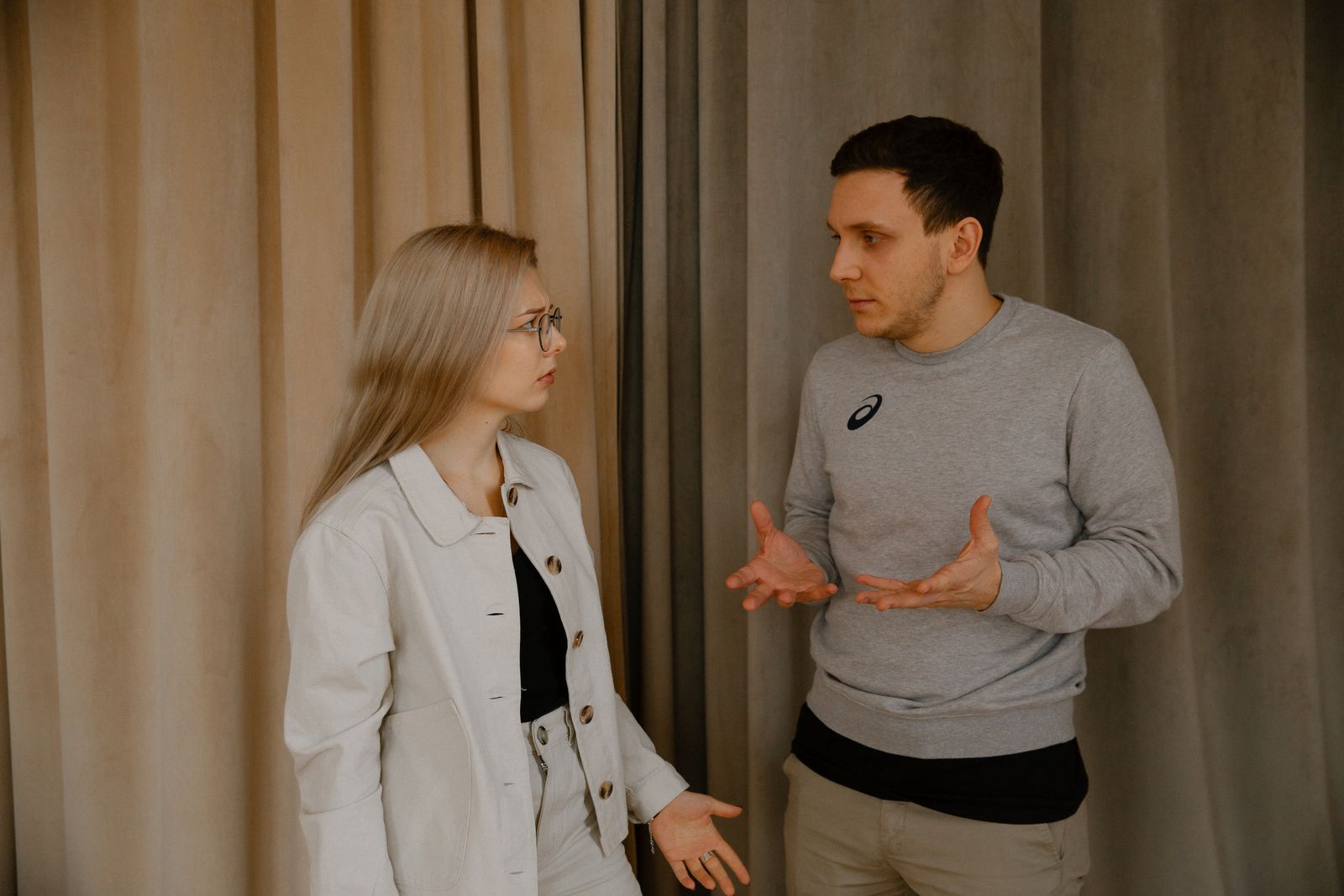
What a “Repair Attempt” Actually Is
The Gottman Institute defines a repair attempt, in its own published explanation of the concept, as “any statement or action — silly or otherwise — that prevents negativity from escalating out of control.” The word “any” is doing real work in that definition: a repair attempt can be an apology, a joke, a hand reaching for the other person’s, or a request to simply pause. The Institute’s blog describes couples who’ve built idiosyncratic repair rituals — one pair uses an actual referee’s flag to call a timeout mid-argument, borrowed from a game they watched together early in their relationship. What matters isn’t the gesture’s sophistication. What matters is whether the couple has built any shared signal at all for de-escalating before things spiral, and whether both people have practiced honoring it.
Why Repair Skill Predicts More Than Conflict Style
The Institute is direct about the stakes of getting this wrong: “the consistent failure of repair attempts is a sign of an unhappy future,” according to the same published piece. That’s a notable claim, because it means the relevant skill isn’t avoiding conflict, or even fighting “fair” — it’s whether a couple can interrupt their own escalation and reconnect afterward. Couples can survive occasional instances of the Four Horsemen; what erodes a relationship is the absence of a reliable way back from them. Gottman’s framework treats repair less as damage control and more as a trainable skill, on par with communication or trust-building, that most couples never explicitly practice because nobody ever taught them it was a skill in the first place.

What This Looks Like in Practice
To make repair concrete rather than abstract, the Gottman Institute built what it calls a Repair Checklist — a tool couples review together, outside the heat of an argument, to identify which phrases actually work for them. The categories include things like “I feel,” statements that name an emotion without assigning blame, “I’m sorry” language that takes ownership without over-apologizing, “let’s find common ground” phrases aimed at de-escalating toward compromise, and flat “I need to stop this conversation” signals for when a pause is the only useful move left. The point of doing this work in advance, rather than mid-fight, is that nobody can design a good repair attempt while their nervous system is already flooded. Couples who know their own repair language ahead of time are simply working from a script they’ve already agreed on, instead of improvising while upset — which is exactly when people are worst at reading each other’s intentions.
The couples who last aren’t the ones who’ve engineered conflict out of the relationship — they’re the ones who’ve gotten good at coming back from it.