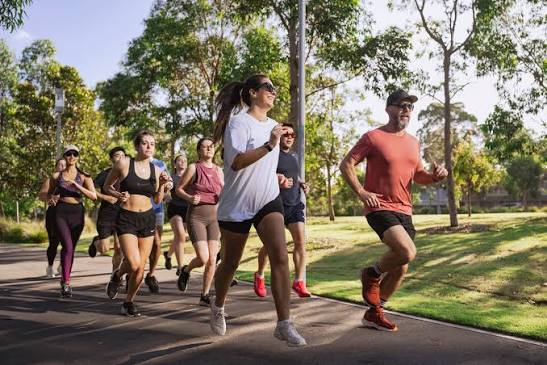
The number of run clubs on Strava nearly quadrupled in 2025, pushing the platform past 1 million total clubs, according to Strava’s own 2025 Year in Sport trend report. Running clubs specifically grew 3.5 times over, and club-organized events rose 1.5 times year over year. At the same time, Pew Research Center has found that nearly half of dating app users describe their experience as negative overall. Those two data points, sitting side by side, explain why a growing number of singles are treating a Tuesday-night group run less like exercise and more like a dating strategy — and why the shift looks less like a fad and more like people reallocating their search for a partner to a place that doesn’t require a profile photo.
The Numbers Behind the Shift
Strava’s data shows this isn’t a niche behavior. Hiking clubs grew fastest of any category in 2025, up 5.8 times, with running clubs close behind at 3.5 times growth, and the platform’s own report frames club infrastructure as what turned “online communities into real-world gatherings.” Strava also found that 39% more Gen Z users than Gen X users say they use fitness specifically to meet people who share their interests — a generational gap that suggests this isn’t older runners padding the numbers, but younger singles actively choosing sport as their social entry point. When Strava asked users directly about workout-based first dates, the response split almost evenly: 46% said “heck yes,” while 31% gave it a hard pass, which tracks with a broader shift toward wanting a shared activity rather than a sit-down interview over drinks.
Why People Are Walking Away From the Apps
The dissatisfaction data helps explain the pull toward something different. Pew’s research on U.S. online daters found that only 53% describe their overall experience as positive, and the number is worse for women specifically, who report roughly even splits between positive and negative experiences. Among users under 50, 54% of women say they’ve felt overwhelmed by the sheer volume of messages they receive, compared with 25% of men — while 64% of men say they’ve felt insecure over a lack of messages, compared with 40% of women. Pew also found that more than half of users have encountered a suspected scammer on a dating platform. None of that means dating apps have disappeared; it means a meaningful share of the people using them are exhausted by the format and looking for an alternative that doesn’t run through an algorithm.
What’s Actually Happening at These Clubs
The shift isn’t just showing up in survey data — it’s visible on the ground. NBC News reported that one New York City run club grew from roughly 30 weekly runners in the spring to close to 1,000 within a few months, with attendance doubling week over week during its steepest growth. That kind of scale changes the social dynamic: showing up regularly puts singles in front of the same group of people week after week, which builds the kind of familiarity that a single swipe-based match never gets the chance to build. It also means the awkward parts of dating don’t disappear — the same NBC News reporting noted that run-club daters still deal with ghosting and mixed signals about who’s actually available, just in running shoes instead of a chat window.
Why This Feels Different From “Just Joining a Gym”
Run clubs solve a specific problem that both dating apps and traditional single-visit fitness classes struggle with: repetition without obligation. A first date carries pressure from the opening minute. A recurring 6 a.m. group run doesn’t — you show up for the run, and the social part happens as a byproduct, spread out over weeks instead of compressed into one high-stakes hour. That structure lines up with what Strava’s own data shows about club participation: it isn’t a one-time event but an ongoing habit, and the platform recorded 14 billion “kudos” — its term for peer encouragement on the app — exchanged across its community in 2025 alone, a rough proxy for how much low-stakes social interaction is happening around fitness right now. For singles burned out on curating a profile and initiating cold messages, that kind of ambient, activity-first contact is the entire appeal.
An Old Idea Wearing New Shoes
What the data actually points to isn’t a discovery so much as a correction. Meeting people through a shared, recurring activity is how most relationships formed for most of human history, before dating apps made “match first, meet later” the default. The run club boom is really singles re-routing around app fatigue toward something that gives them repeated, low-pressure exposure to the same people — which happens to be the exact ingredient dating apps were never built to provide.