
Couples used to hide it from the neighbors. Now the American Academy of Sleep Medicine is publishing survey data on it openly, and the numbers suggest separate bedrooms have quietly stopped being a symptom of a marriage in trouble and started being a deliberate maintenance strategy. The AASM’s own survey documents a rising share of couples choosing to sleep apart — not as a retreat from the relationship, but as a way of protecting it from the daily wear of bad sleep.

The Old Assumption Doesn’t Match the New Data
For most of modern relationship history, the shared bed carried symbolic weight far beyond the practical business of sleeping. Moving out of it read as a signal — a couple drifting, a marriage cooling, intimacy quietly being withdrawn one night at a time. The American Academy of Sleep Medicine’s survey complicates that story considerably. A meaningful and growing share of couples now sleep in separate rooms by choice, framing it less as an ending and more as a solution to a problem that was already damaging the relationship: chronic, mutually inflicted sleep disruption.
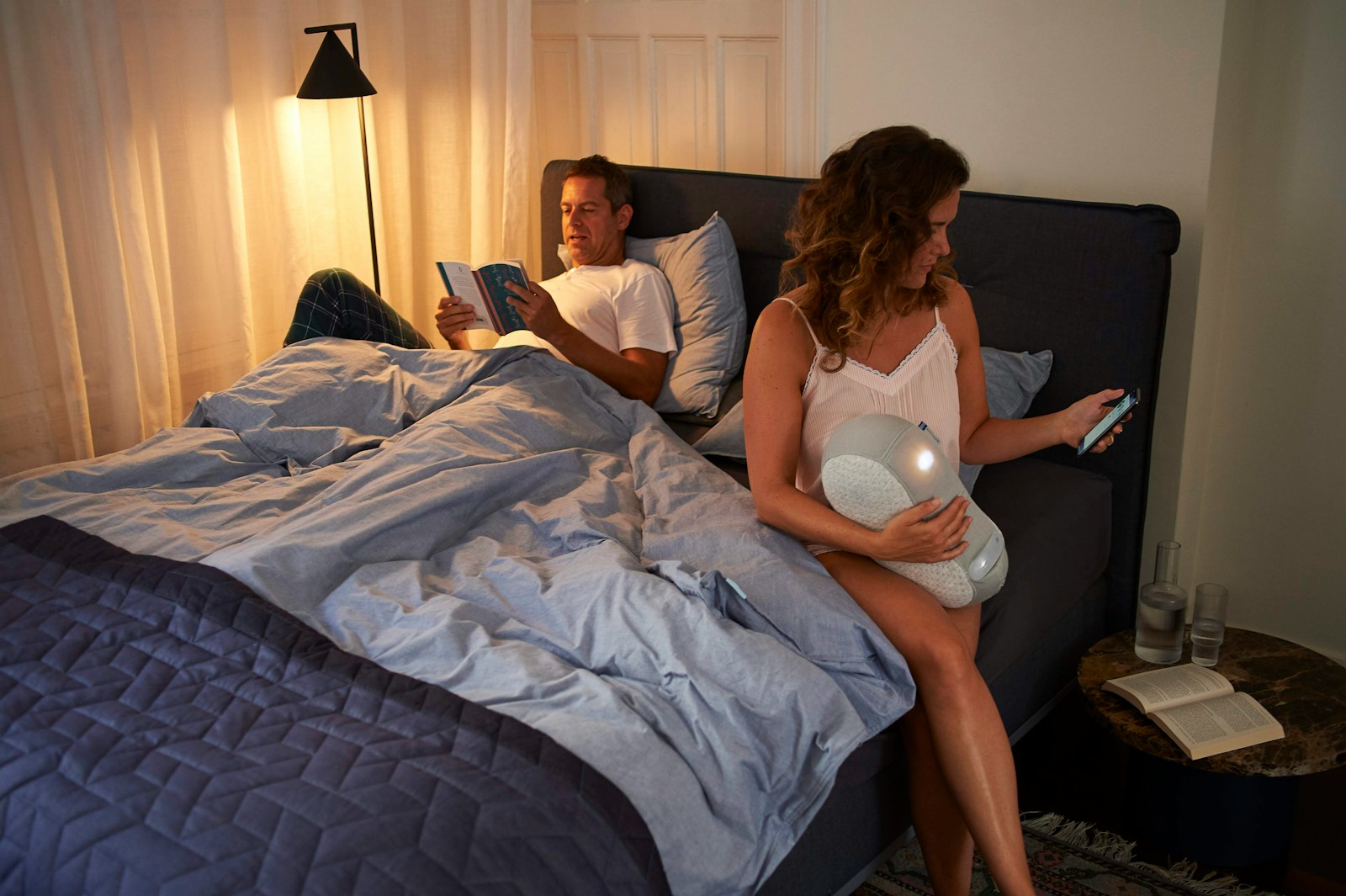
That reframe tracks with what sleep science has been saying for years, even if the cultural script hadn’t caught up. Two people sharing a bed disturb each other more than either one usually realizes — through snoring, restless movement, mismatched schedules, temperature preferences, or one partner’s early alarm waking the other. Poor sleep doesn’t stay contained to the night it happens. It bleeds into next-day patience, mood regulation, libido, and the baseline tolerance a person has for their partner’s minor irritations. A couple running on chronic sleep debt is a couple more likely to snap at each other over something that wouldn’t have registered on a well-rested morning.
Why Separate Rooms Can Protect Intimacy Rather Than Erode It
The AASM data points toward a distinction that matters more than the sleeping arrangement itself: whether the separation is a choice both partners actively made, or a slow drift neither of them addressed out loud. Couples who deliberately decide to sleep separately, often after naming the specific problem — one partner’s snoring, wildly different bedtimes, a new baby’s schedule, a chronic condition that disrupts rest — are making an intentional trade. They’re protecting daytime connection by sacrificing a nighttime ritual that wasn’t actually working for either of them.
That’s a fundamentally different dynamic than a couple who stops sharing a bed because the relationship has already gone quiet and neither person wants to bring it up. The bedroom arrangement looks identical from the outside. The mechanism underneath is opposite. One version treats separate rooms as a fix, applied openly, aimed at getting both partners more of what they actually need from each other while they’re awake. The other treats it as an avoidance, a symptom left undiagnosed because naming it feels riskier than just letting it happen.
What the Shift Says About Modern Marriage
The willingness to sleep apart without treating it as a crisis reflects a broader loosening around which relationship rituals are actually load-bearing. A shared bed was never the thing holding a marriage together — communication, physical affection, shared effort, and daytime attentiveness are. Once couples separate the symbolism of the shared bed from the substance of the relationship, sleeping apart stops being scary and starts being one more tool available for keeping both people functional, rested, and less likely to take exhaustion out on each other.
None of this means separate bedrooms are automatically the healthier choice, or that every tired couple needs to split up their sleeping space. Plenty of couples sleep well together and would lose something real by separating. The point the survey data actually supports is narrower and more useful than a blanket verdict either way: the sleeping arrangement itself was never the meaningful variable. What matters is whether a couple is getting enough real rest to show up for each other during the parts of the day when it counts, and whether the choices they make about their bedroom were made together, out loud, instead of by default.
That last part is where couples tend to get tripped up. Sleeping apart works as a relationship strategy precisely because it’s discussed, revisited, and kept flexible — a trial that either partner can end if it stops feeling like it’s helping. Sleeping apart fails as a relationship strategy when it happens by inertia, one canceled “goodnight” at a time, until neither partner remembers whose decision it originally was. The AASM’s framing invites couples to ask a more useful question than “should we share a bed,” which is: are we sleeping this way because it serves us, or because it’s simply what happened while we weren’t paying attention.
Couples considering the switch don’t need a dramatic conversation to get this right. A short, honest check-in — naming the specific sleep problem, agreeing on a trial period, and leaving the door open to revisit it — does most of the work. It keeps the arrangement in the category of a shared decision rather than a quiet retreat, which is the entire difference the data is pointing to.