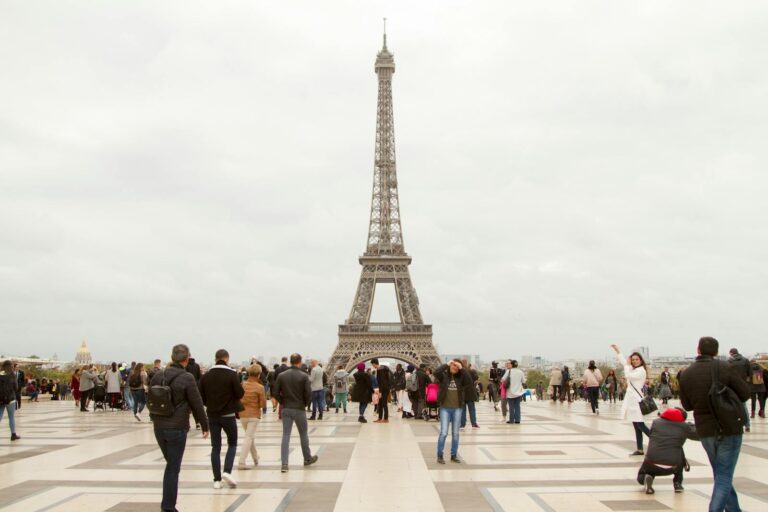
Travel trends used to spread the slow way — a magazine spread, a friend’s photo album, word of mouth that took a year or two to turn a quiet town into a known one. Now a single short-form video can send a destination from unfamiliar to overrun in a matter of weeks, and the mechanism behind that shift has less to do with the place itself than with how algorithmic feeds decide what to surface next. Travel TikTok didn’t just find new destinations faster. It changed the entire speed at which a place becomes “everywhere.”
How the Algorithm Replaced the Slow Build
The old model of travel discovery relied on gatekeepers with limited real estate — a handful of publications, a finite number of “best of” lists, a travel section that could only feature so many places in a year. Short-form video collapsed that bottleneck. A single creator’s clip of an underrated European city, cut well and paired with the right sound, can reach people who have never read a single travel article but will absolutely sit through a fifteen-second video. The platform’s recommendation engine then does the rest, pushing the clip to anyone who’s shown even mild interest in travel content, regardless of whether they follow the creator who made it. That’s a fundamentally different discovery path than the old model, where you had to already be looking for travel inspiration to encounter it.
The Destinations Riding This Wave
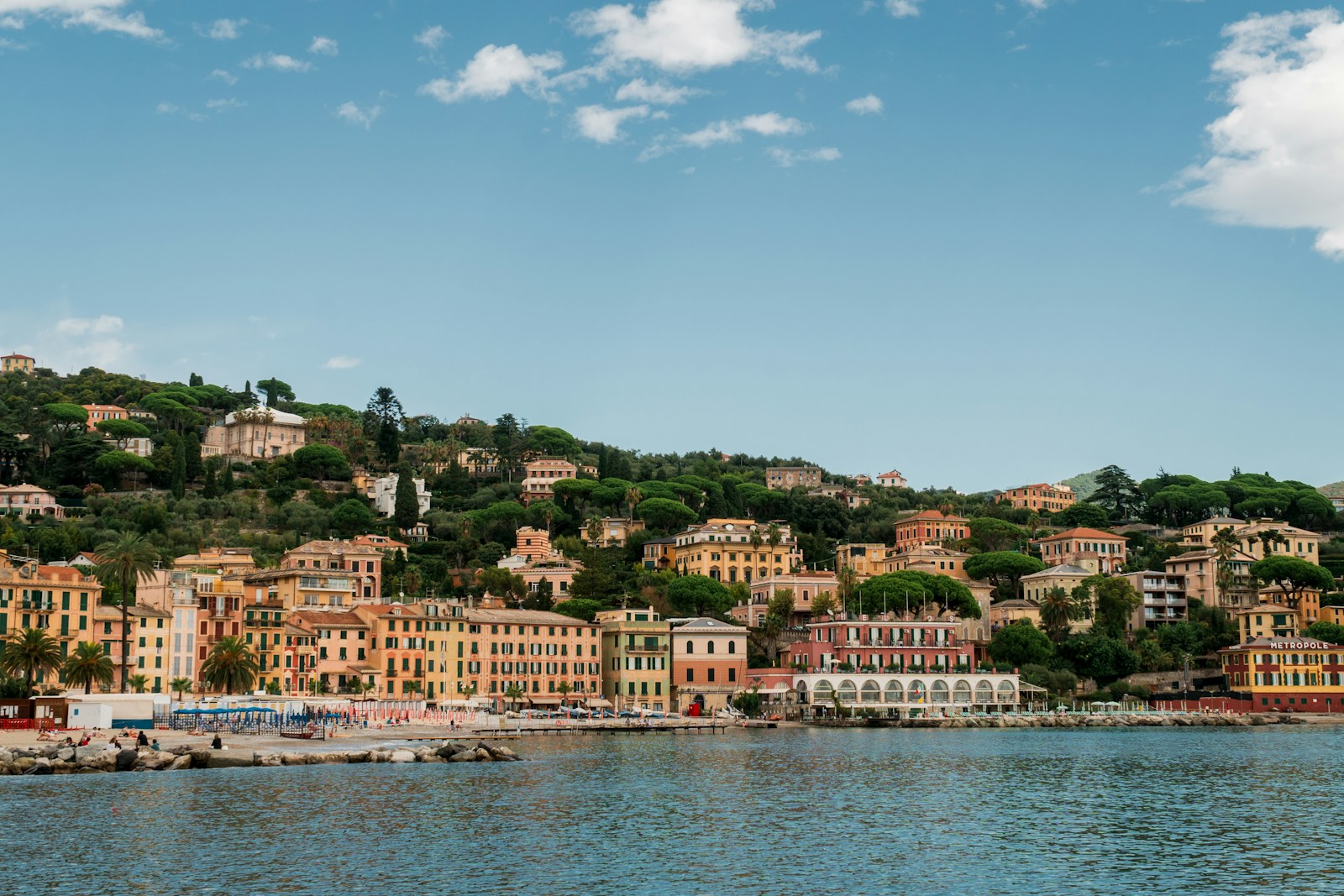
The pattern tends to show up in a few recognizable shapes. There’s the underrated European city that was always beautiful but never made the standard first-timer itinerary — the kind of place locals loved precisely because it wasn’t crowded, until a wave of videos made “no crowds” the very thing that put it on the map. There’s the emerging Latin American destination, often benefiting from a mix of favorable exchange rates, direct flights that didn’t exist a few years ago, and a visual identity — color, light, food — that happens to be exactly what performs well in a short vertical video. And there’s the domestic hidden-gem town, the kind of place a regional publication might have covered years ago in relative obscurity, suddenly getting national attention because one video made it look like the kind of weekend trip anyone could pull off without a passport.
What connects all three is less about the destinations themselves and more about how visually legible they are in a fifteen-to-sixty-second clip. A place with one strong visual signature — a colorful street, a specific dish, a swimming hole nobody photographs — travels through short-form video far more easily than a destination whose appeal is more diffuse or requires context to appreciate.
The Tradeoff Nobody Plans For
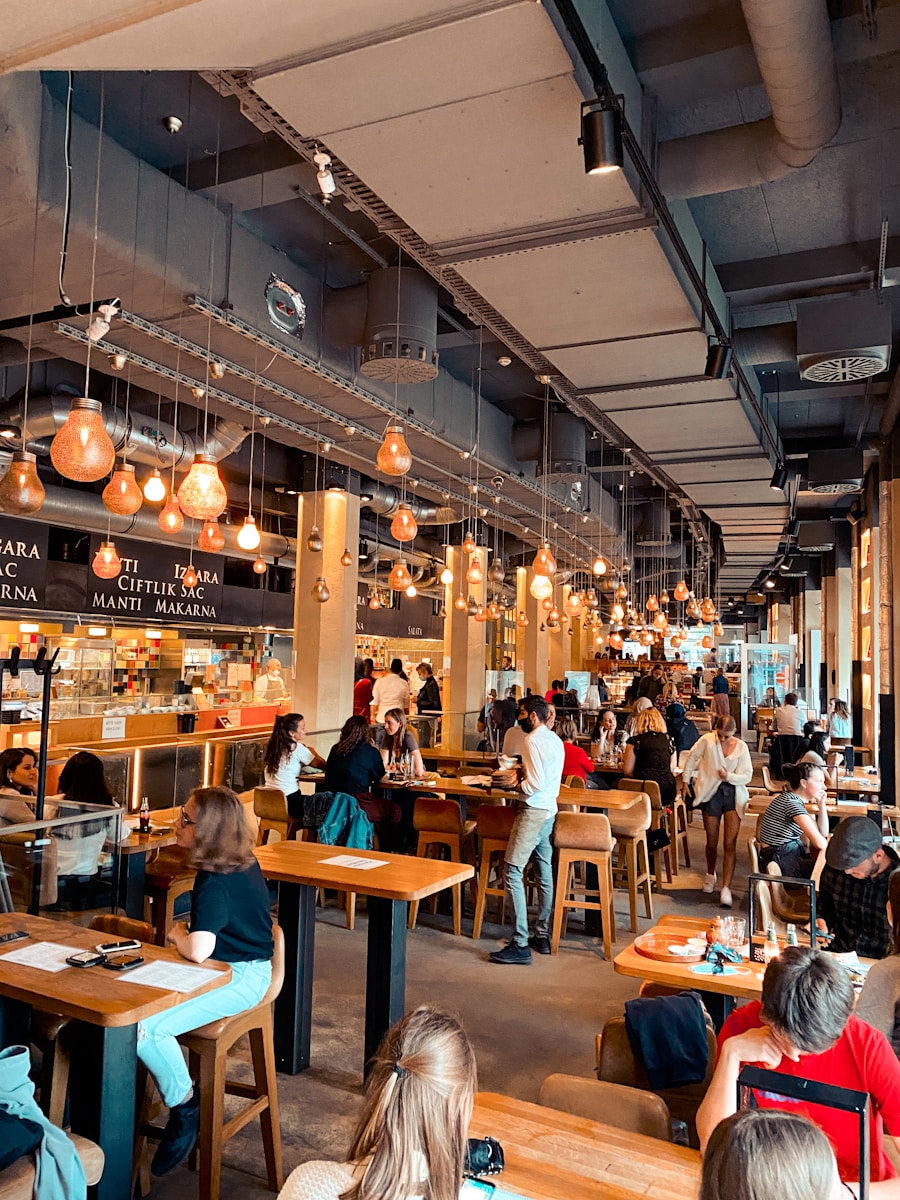
The speed of this discovery cycle creates a real tension for both travelers and the places themselves. A destination that took decades to build its identity as a quiet, undiscovered spot can see that identity flipped within a single travel season, as visitor numbers spike faster than local infrastructure can absorb them. Restaurants that comfortably served a steady local crowd suddenly face lines out the door. Neighborhoods that were residential first and scenic second start fielding a volume of visitors nobody was planning around. None of this is unique to any one place — it’s the predictable result of discovery happening at video speed while everything else about a destination, from transit to housing to service capacity, still moves at the old pace.
What This Means for How You Plan a Trip
None of this is a reason to avoid a place because it showed up on your feed — plenty of destinations earn the attention, and there’s real joy in discovering somewhere through a video that genuinely captures what makes it special. But it’s worth treating a trending destination the way you’d treat any trend that moved fast: with an awareness that the version you’re seeing online might already be a step or two ahead of the version you’ll actually experience on the ground, especially if you’re going during the exact window when everyone else who saw the same video is also booking.
The upside of algorithmic discovery is real — more places get seen, more local economies get a look they might not have gotten through traditional coverage. The tradeoff is that “hidden gem” now has a shelf life measured in weeks instead of years, and the places worth visiting are the ones that can hold onto what made them worth finding in the first place, even after everyone else has found them too.