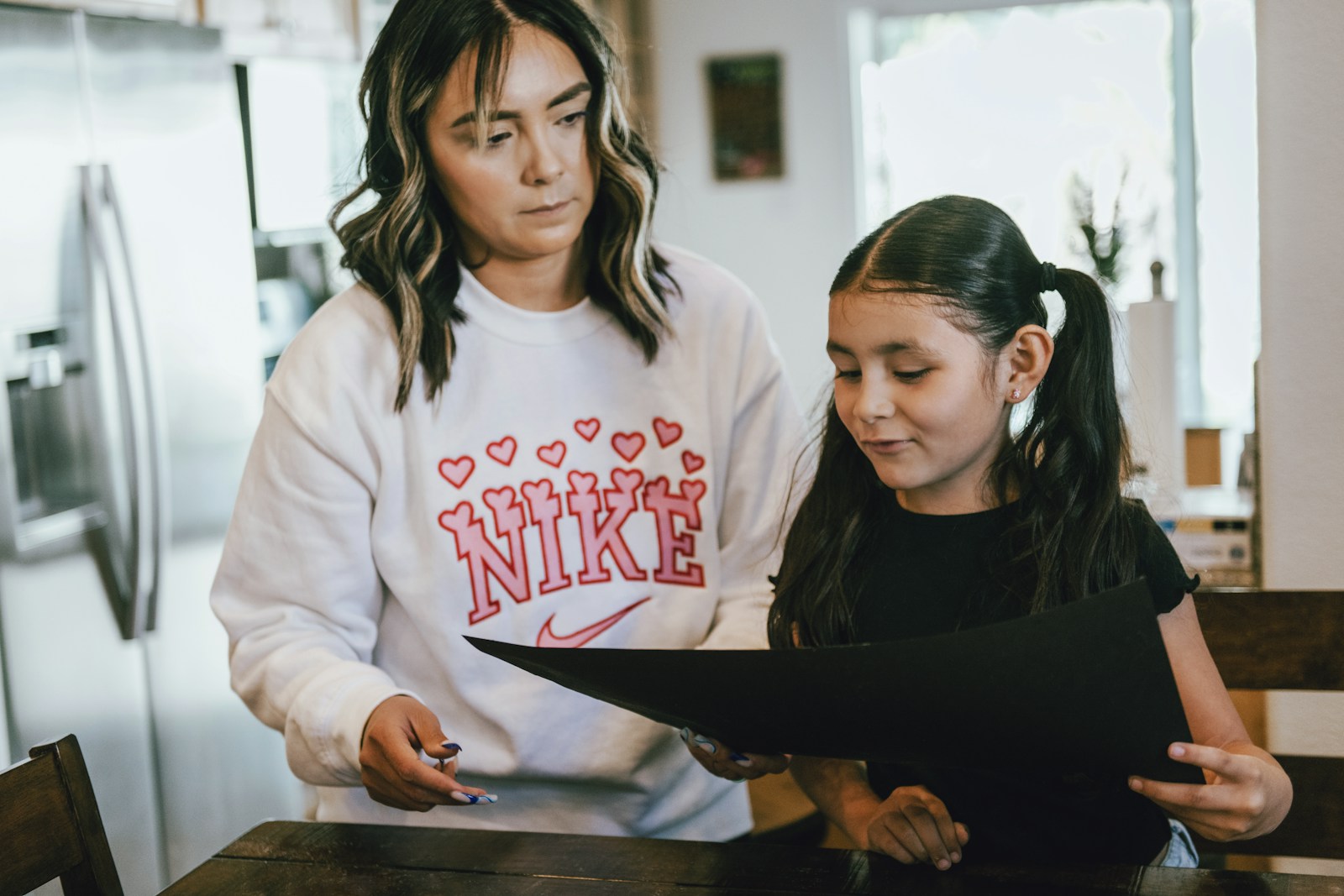
Most new stepparents walk into the role with no map, borrowing instinct from parenting styles that don’t quite fit and hoping the relationship figures itself out over time. A qualitative study published in a peer-reviewed journal took a different approach to the problem: instead of asking stepparents what they wish they’d known, researchers asked adults who grew up in stepfamilies what they wished their stepparents had understood. The result is a rare, direct line to the perspective that usually only shows up years later, if it shows up at all. These are people who lived the whole arc, from a parent’s remarriage through adulthood, and they had specific, practical things to say about what actually helped.

Don’t Try to Replace the Parent Who’s Still in the Picture
One of the clearest patterns in what participants described was a warning against stepparents positioning themselves as a replacement authority figure too soon, especially when the child’s other biological parent is still present and involved. According to the study, adults who’d grown up in blended families tended to respond much better, looking back, to stepparents who found a lane alongside the existing parent rather than one that competed with it. A stepparent who tries to become “the new mom” or “the new dad” on an accelerated timeline, no matter how well-intentioned, tends to create the exact resistance they were hoping to avoid. Respect for the existing parental relationship, even an imperfect or distant one, mattered more to these adults in hindsight than it likely seemed to the adults raising them at the time.
Let the Relationship Move at the Child’s Pace, Not the Marriage’s Pace
A recurring theme among participants was the mismatch between how quickly the adults’ relationship was progressing and how quickly the child was actually ready to bond with a new stepparent. The study’s respondents described feeling pressure, sometimes explicit and sometimes just implied by household dynamics, to warm up to a stepparent on a timeline set by the adults’ relationship rather than their own comfort. What helped, in retrospect, wasn’t a stepparent pushing for closeness or affection early on. It was one who let trust build at whatever pace the child needed, even if that pace felt frustratingly slow from the adult side of things. Kids who felt like their hesitation was tolerated, rather than treated as a problem to be fixed, tended to come around on their own terms and stay attached longer.
Small, Consistent Effort Beat Big Gestures
Several participants pointed to something that runs counter to a common instinct in new stepparents: the urge to win a child over with big, memorable gestures, like a major trip or an expensive gift, rather than smaller and more repeated acts of care. What these adults remembered fondly wasn’t the grand attempt to impress them. It was the stepparent who showed up consistently for ordinary things, remembering a detail about their day, showing up to a school event without being asked twice, being a steady presence rather than an occasional dazzling one. Consistency read as safety in a way that a single big effort never quite could, especially for kids who’d already been through the instability of their family restructuring once.
Ask Instead of Assume
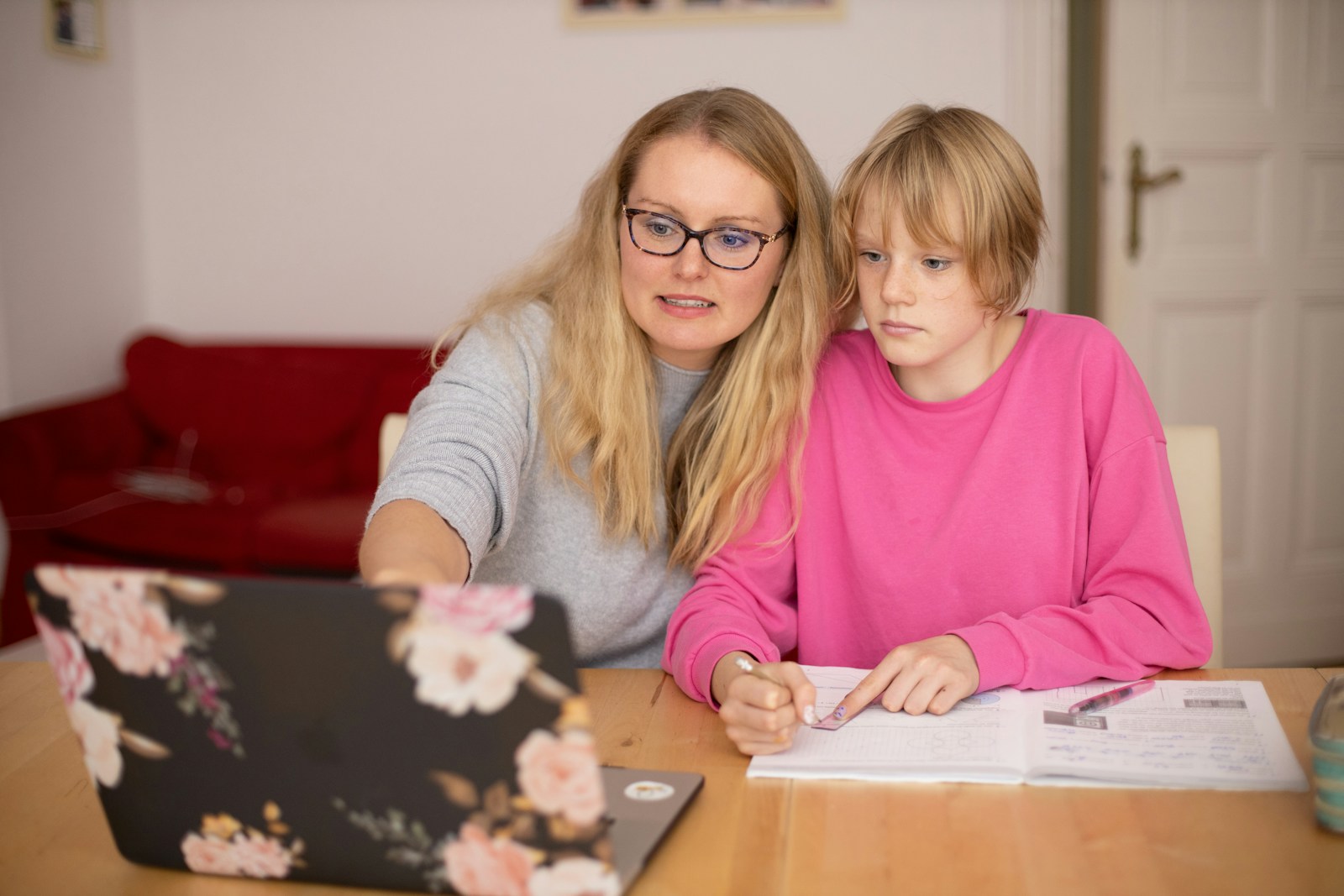
A quieter thread throughout the research was how much these adults wished their stepparents had simply asked more questions rather than guessing at what they needed. Whether it was as simple as asking what to be called, or as significant as asking how involved the child wanted a stepparent to be in disciplinary decisions, participants consistently valued being asked over being decided for. It’s a small shift in posture, from parenting a stepchild to partnering with one on the terms of the relationship, but it’s the one adults in the study circled back to again and again when asked what they’d tell someone stepping into the role today.
What this research really offers isn’t a checklist so much as a reframe. A stepparent relationship isn’t a faster or slower version of a biological one that just needs the right technique to speed along. It’s its own relationship, built on its own timeline, and the adults who lived through it are telling the next generation of stepparents that patience and permission matter more than any single gesture ever could.