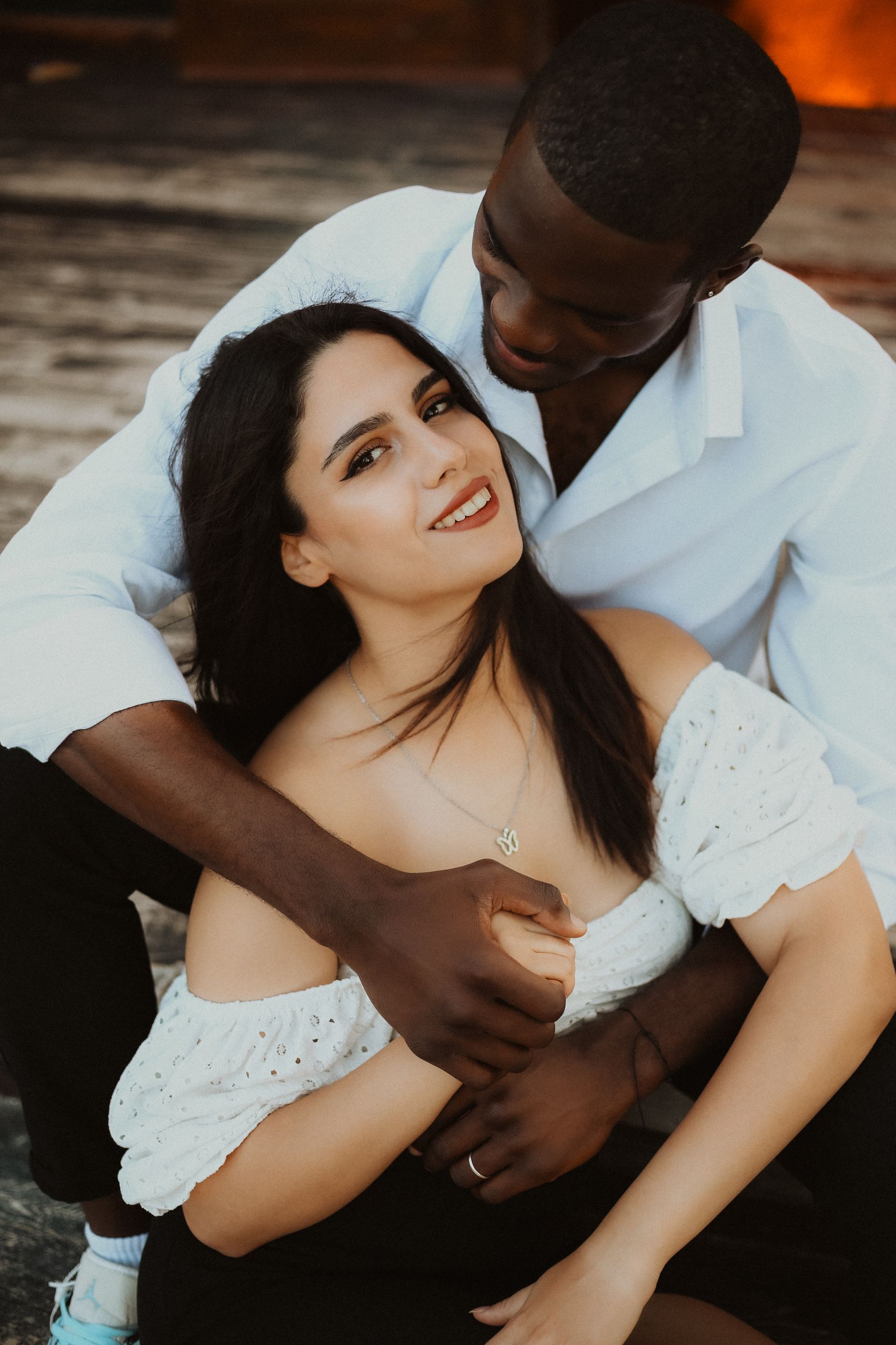
Three-quarters of Black singles, 75%, say they’re actively looking for something serious, intentional, or marriage-minded, while only 14.1% say they’re interested in casual dating, according to BLK’s second annual State of Black Singles Report, released in 2026. The dating app, which surveyed more than 5,000 singles nationwide, frames the finding bluntly: the situationship, as a dominant dating mode, is dying.

Gen Z is leading the pullback from ambiguity
The generational data is the sharpest part of the report. More than 82% of Gen Z respondents said they want marriage or are open to it, and nearly 80% said the same about having children — numbers that cut against the narrative that younger daters are the ones dragging out undefined situationships the longest. Perhaps more strikingly, 57.1% of Gen Z respondents ages 18 to 29 said they are currently celibate or abstaining from sex altogether, which BLK’s report characterizes as a kind of “quiet quitting” of hookup culture rather than a rejection of dating itself.
That shift toward clarity extends to how Black daters are defining betrayal. Physical intimacy outside an agreed-upon relationship remains the near-universal dealbreaker, cited by 85.7% of respondents, but the report shows the standard for infidelity has broadened well past sex. Seventy percent said hiding emotional intimacy with someone else counts as cheating, and 52.3% said simply keeping a dating app active and browsing after a couple has agreed to be exclusive amounts to betrayal on its own — a standard that would have sounded aggressive by the norms of situationship-era dating just a few years ago.
Frustration with vagueness is driving app behavior
The report’s engagement data suggests this isn’t just stated preference — it’s shaping how people actually use the app. Nearly 75% of users said they’re highly active, checking daily or several times a week, and 44.4% named “people who aren’t serious” as their single biggest dating frustration, outranking complaints about finances, looks, or logistics. At the same time, 88.2% said they’re comfortable initiating contact themselves, suggesting the demand for clarity is pushing people to be more direct rather than more passive.
Money and physical intimacy norms are shifting alongside the push for clarity, not against it. Fifty-nine percent of respondents said they prioritize genuine connection and character over a date’s financial status, while 67% support splitting or adjusting dating costs based on circumstance rather than defaulting to rigid gender roles. Coverage of the same report from Essence similarly found Black singles increasingly unwilling to tolerate undefined relationships, corroborating BLK’s framing that the culture has moved from “keeping it casual” toward wanting a defined status early. Taken together, the report describes a dating pool that hasn’t become more guarded or less sexual out of caution — it’s become more explicit about what it wants, and less patient with partners who won’t say the same.